



Key points
- CDC worked with CDC Foundation to help seven countries access and use resources from The Global Fund to Fight AIDS, Tuberculosis and Malaria (Global Fund) to strengthen their healthcare systems.
- The supported countries received more than $14 million in Global Fund resources to strengthen infection prevention and control programs and combat antimicrobial resistance.
- CDC and CDC Foundation helped countries use these investments to make healthcare systems stronger, preventing the spread of infectious diseases locally and across borders.
Strengthening healthcare systems together
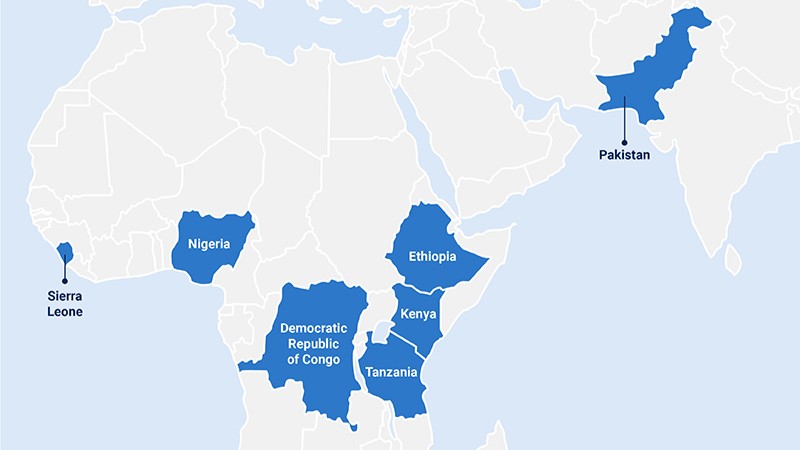
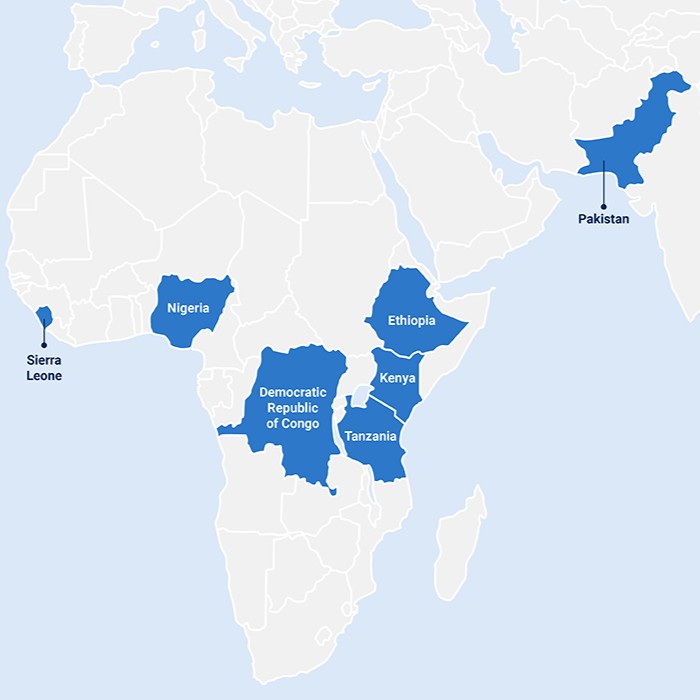
Since 2022, CDC, in collaboration with CDC Foundation, has helped seven countries (Democratic Republic of Congo, Ethiopia, Kenya, Nigeria, Pakistan, Sierra Leone, and Tanzania) strengthen their healthcare systems, helping stop the spread of infectious diseases and keep Americans safe.
Accessing resources
The Global Fund to Fight AIDS, TB, and Malaria (Global Fund) established the COVID-19 Response Mechanism (C19RM) in 2020 to provide funding to help countries respond to the COVID-19 pandemic. Over time, C19RM shifted away from COVID-19 emergency response and moved towards strengthening healthcare systems, including building strong national and healthcare facility-level infection prevention and control (IPC) programs and combating antimicrobial resistance.
CDC and CDC Foundation collaborated with ministries of health in the seven participating countries to help them access C19RM funds.
Resources to strengthen healthcare systems
These investments helped build more resilient healthcare systems by strengthening IPC governance structures, establishing healthcare-associated infection (HAI) surveillance systems, expanding the IPC workforce, enhancing IPC program evaluation, and supporting outbreak preparedness and response.
Improving IPC programs
With CDC and CDC Foundation support, the C19RM funds were applied towards:
- Workforce development: Conducted more than 50 trainings and trained more than 3,200 healthcare personnel
- Data collection: Completed more than 680 IPC assessments
- HAI surveillance: Conducted HAI surveillance activities at more than 30 hospitals
- Resource development: Developed nearly 200 technical IPC documents (such as guidelines and IPC policies)
These efforts have helped countries improve their ability to coordinate and implement IPC programs.
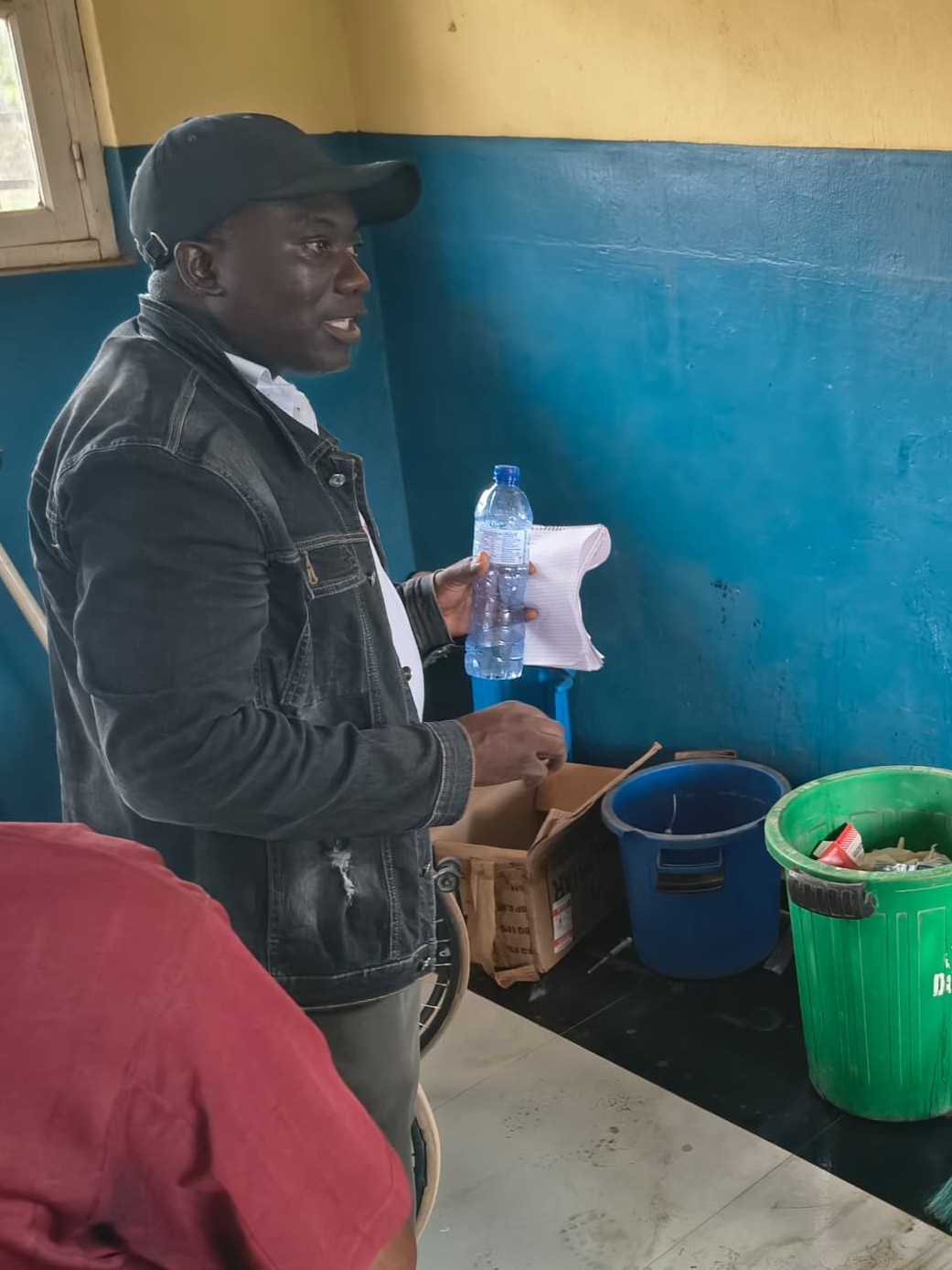
- A National IPC Program Lead
Responding to outbreaks
The C19RM funds have also helped countries respond to outbreaks beyond COVID-19. In the Democratic Republic of Congo, for example, these funds were used to support the monkeypox response and prepare for future outbreaks.
Activities included training to strengthen IPC emergency response capabilities and epidemic preparedness and healthcare facility assessments to improve IPC practices. These efforts have strengthened the healthcare system's ability to detect and respond to infectious disease outbreaks.
Impact
C19RM funding concluded in December 2025, and partners are working towards sustaining the impacts of these investments.
Collaborations such as this one help reinforce the ability of health systems to prevent infections and respond effectively to future public health threats, helping to protect patients and stop the spread of infectious diseases within healthcare facilities, in communities, and across borders.