



What to know
- Hendra disease is an extremely rare illness caused by the Hendra virus.
- Horses get sick with Hendra disease after contact with Australian flying fox bats or their fluids.
- Seven people have reported infection after contact with infected horses, all in Australia.
Overview
Hendra virus was first identified during a 1994 outbreak of lung and brain disease in horses and people in Hendra, Australia. The virus is part of the same virus family as Nipah virus.
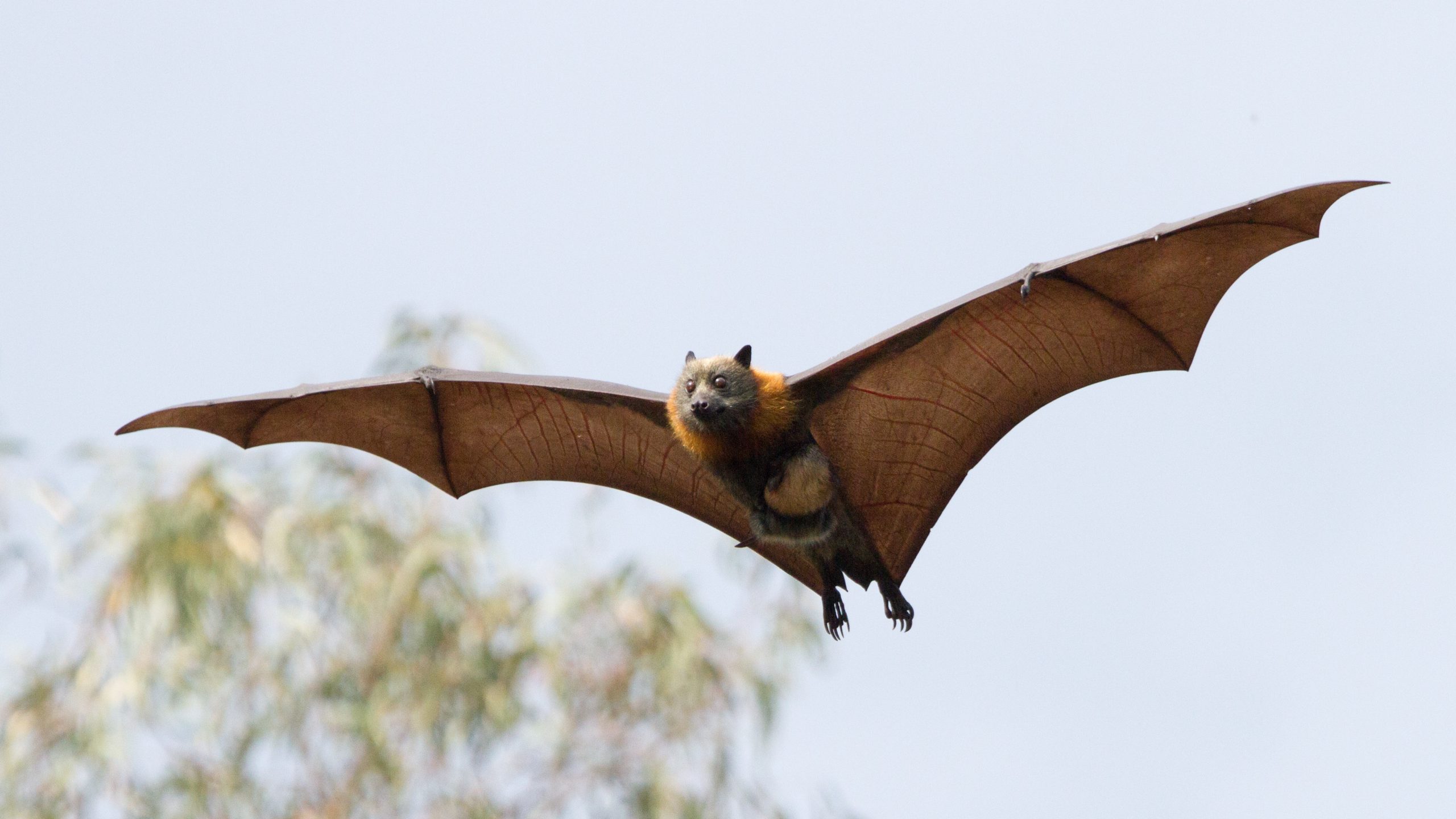
Pteropus bats, or "flying fox" bats, carry Hendra virus in nature. The virus has been found in all four species of Australian flying foxes. Horses are the domestic animals most often infected with the virus. They can spread it to other horses and to people.
Hendra infections in people remain rare; only seven cases have ever been reported.
Signs and symptoms
Symptoms in people typically begin 9-16 days after they had contact with an infected horse. Hendra infection can cause lung problems with severe flu-like symptoms. In some cases, illness may progress to brain swelling (encephalitis).
Hendra infections are rare. However, it leads to death in more than half of people who get it (57 percent).
Exposure risks
People at highest risk are:
- Living in areas with Australian flying foxes
- In contact with horses potentially exposed to flying foxes
How it spreads
When they bite, flying foxes can infect horses with the virus. Horses can also be infected if they are exposed to the urine, droppings, or saliva of an infected bat. Spread from flying foxes to horses is limited to coastal and forested regions in Australia (Queensland and New South Wales states). Horses can then spread the virus to people.
People can also get Hendra virus infection after contact with tissues or excretions of infected horses, like blood, urine, or birthing materials.
To date, no spread between people or direct infection from flying foxes to people have been documented.
Prevention
In people, Hendra infection has only been linked to contact with infected horses or their tissues, fluids, or secretions. A vaccine for horses is available in Australia. Vaccinating horses helps prevent the virus from spreading to people and lowers the risk of future infections.
Though rare, Hendra virus infection has also been confirmed in dogs that had known contact with an infected horse.
People in areas with Hendra virus or flying foxes can prevent illness with Hendra virus by avoiding horses that may be infected with Hendra virus and keeping dogs away from horses that show signs of illness.
If someone must have contact with an infected horse, they should use personal protective equipment, like boots, gloves, protective eyewear, mask or respirator, and gown.
Testing
Healthcare providers should consider Hendra disease for people with relevant symptoms who have been where the disease occurs in Australia.
Healthcare providers can test people for Hendra virus while they're sick or after they've recovered.
Treatment
The drug ribavirin has been shown to be effective against Hendra virus in laboratory studies. However, it's not clear how much help it would be in patients sick with Hendra infection.
An antibody drug that prevents Hendra virus infection in people is in development in Australia. If it reaches final development, the therapy would be given to people who were exposed to Hendra virus and became sick.