



At a glance
- Tuberculosis (TB) remains the world’s deadliest infectious disease despite being preventable and curable.
- Nearly two billion people are infected with TB globally.
- CDC is improving TB diagnostics in Tanzania with a new in-country proficiency testing system.
- Advanced molecular machines can be impactful in improving accuracy and reduce testing turnaround time.
Background
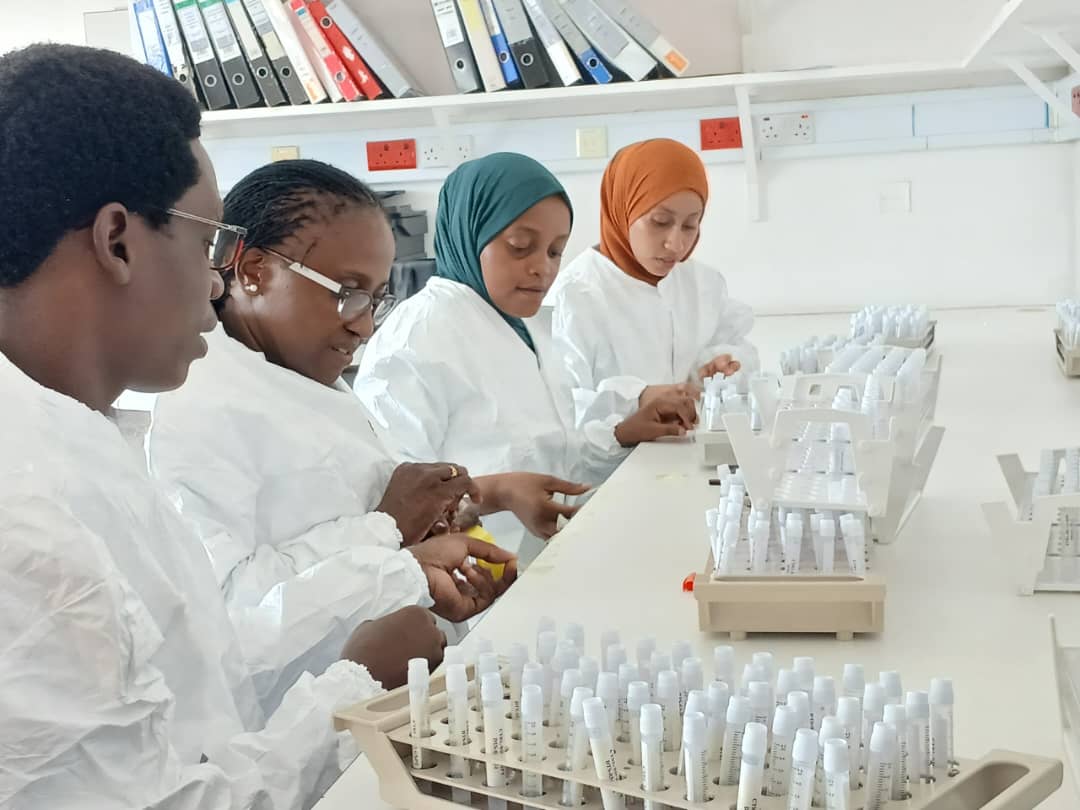
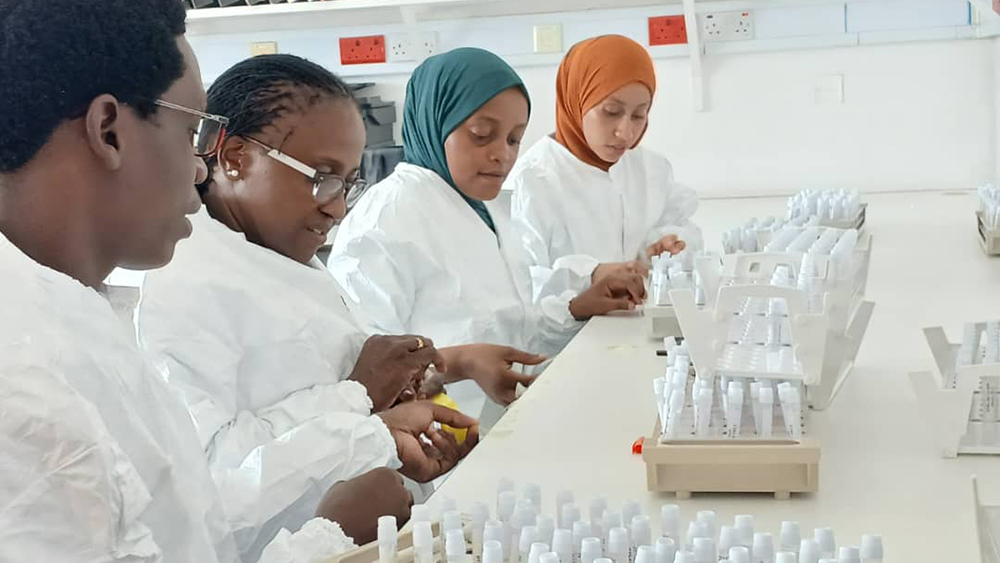
In Tanzania, CDC is improving TB diagnostics by establishing an in-country proficiency testing system. This initiative aims to improve testing accuracy and turnaround time, leading to better treatment outcomes, reduced transmission, and a sustainable framework.
When diagnosing this deadly disease, time is of the essence. Rapid test results allow for earlier treatment, reduced disease transmission, and the identification of drug resistance. Laboratories must shift from traditional microscopes and culture methods. These methods miss half of all TB cases. Adopting advanced molecular machines can significantly improve accuracy and reduce testing turnaround time from 2-9 weeks to less than two hours.
Support in Tanzania
In Tanzania, a country with $778 million in trade with the U.S., advancements in early diagnosis may help reduce the catastrophic costs of TB care. This includes addressing the reduced employment rate that often follows a TB diagnosis.
CDC supports Tanzania's Central Tuberculosis Reference Laboratory (CTRL) in overseeing TB diagnostic services across the country. CTRL, in collaboration with CDC, manages over 1,850 diagnostic centers and more than 300 specialized molecular testing sites. These centers and testing sites improve health outcomes, foster a healthy workforce, and contribute to maintaining the effectiveness of first-line drugs for Americans.
Putting the test to the test

Before 2022, Tanzania relied heavily on proficiency testing samples from international sources, like CDC labs in Atlanta over 8,000 miles away. Samples often experienced delays, creating challenges in maintaining quality, timeliness, and ensuring full coverage across all testing sites. To reduce dependence on external providers, CDC helped CTRL establish in-country proficiency testing to increase the reliability of TB diagnostics across Tanzania – a critical step toward safeguarding the U.S. from imported cases.
Launch and expansion
The transition to an in-country proficiency testing system is crucial for establishing a sustainable framework that yields accurate and consistent TB test results across all centers. CDC strengthens the system by procuring essential supplies, facilitating the shipment of panels to testing sites, and mentoring labs to achieve international accreditation. The scale-up and impact have been rapid:
- In 2022, an orientation introduced over 80 diagnostic sites to the new system as part of a pilot program. Six months later, coverage expanded by 50 percent to include 120 diagnostic sites.
- In 2024, over 74 percent of TB molecular testing sites were serviced by the program. CDC is supporting expansion to 100 percent of sites by the end of 2025.
- As of 2024, 92 percent of people suspected of TB in Tanzania received molecular testing – nearly double the global coverage (48 percent) and close to the 100 percent target worldwide by 2027.
- Tanzania Ministry of Health's Program Manager
Together, CDC and the CTRL are working towards a fully integrated and sustainable system for TB diagnostics throughout Tanzania.
A safer future for us all
Through CDC support, labs across the country can better and more quickly identify TB cases, closing the 25 percent gap for those who are undiagnosed and untreated and further preventing transmission and drug resistance. This cost-effective system can also be leveraged to detect other known and emerging infectious diseases – including RSV, malaria, and Ebola – facilitating timely outbreak detection and response.
Significant strides have been made in molecular diagnostics and laboratory efficiency – key components to eliminating TB. With Tanzania on track to achieve nationwide coverage of molecular diagnostics in 2025, these advancements improve health outcomes nationally and bolster global health efforts to prevent a resurgence worldwide.