



At a glance
- CDC's Rapid Test Continuous Quality Improvement (RTCQI) strengthens the quality and reliability of HIV testing systems in Central America.
- RTCQI helps Ministries of Health improve tester competency, expand quality assurance, and launch national certification programs.
- These efforts improve HIV diagnosis accuracy, build stronger, more sustainable health systems, and prevent the spread of HIV.
Why quality matters
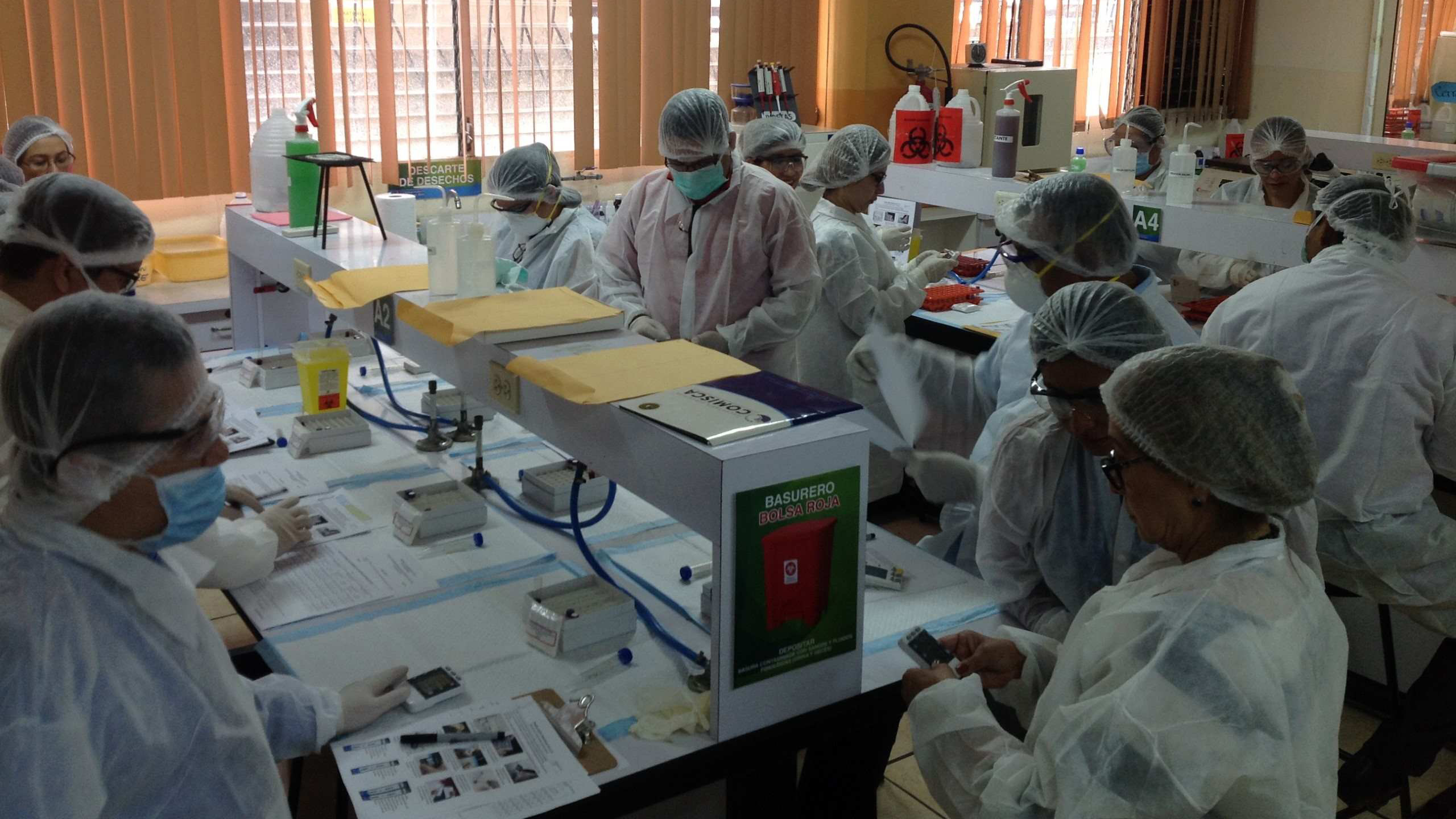
Reliable HIV testing is critical to global health security. Early, accurate diagnosis helps stop transmission and strengthens public health response.
Today, advances in HIV treatment allow people living with HIV to live long, healthy lives. Effective treatment allows people to suppress the virus, which prevents them from passing HIV to others. In Central America, not knowing one's HIV status remains a major barrier to starting treatment.
Expanding access to HIV testing is critical for preventing the spread of HIV through effective treatment. However, more testing must also be matched with strong quality systems to ensure every result is accurate. When HIV test results are unreliable, misdiagnoses can delay lifesaving care, lead to inappropriate treatment, and undermine confidence in healthcare services.
Improving HIV diagnosis globally helps protect the United States by reducing global transmission risks and strengthening shared health systems.
Partnering to build country-led systems
Since 2016, CDC has supported Ministries of Health across Central America through RTCQI. Working with partners like ICAP at Columbia University, CDC has helped develop tailored tools, guidance, and training programs for each country's health system structure and needs. The effort combines targeted technical improvements with community involvement to build trust, and ensure services meet local needs. Engaging patients, providers, and the wider community increases confidence in testing and encourages more people to use services.
"When indigenous communities and local leaders helped identify trusted collaborators, it opened the door to training in hard-to-reach areas—building confidence in public health services where trust matters most."
- David Cortés, Panama Ministry of Health
Panama and Honduras joined RTCQI in 2016, Guatemala in 2017, and El Salvador in 2018. All countries shared a common goal: reliable HIV diagnosis. This work led to the creation of national certification systems that formally assess and recognize testing competency.
Certification evaluates both testers and testing sites. Facilities are assessed on biosafety, infrastructure, documentation, and quality controls. Testers must demonstrate correct procedures and accurate interpretation of results. Sites that do not meet standards receive targeted support, including mentorship and corrective action plans, before reassessment.
Results driven by quality, consistency, and continuous improvement
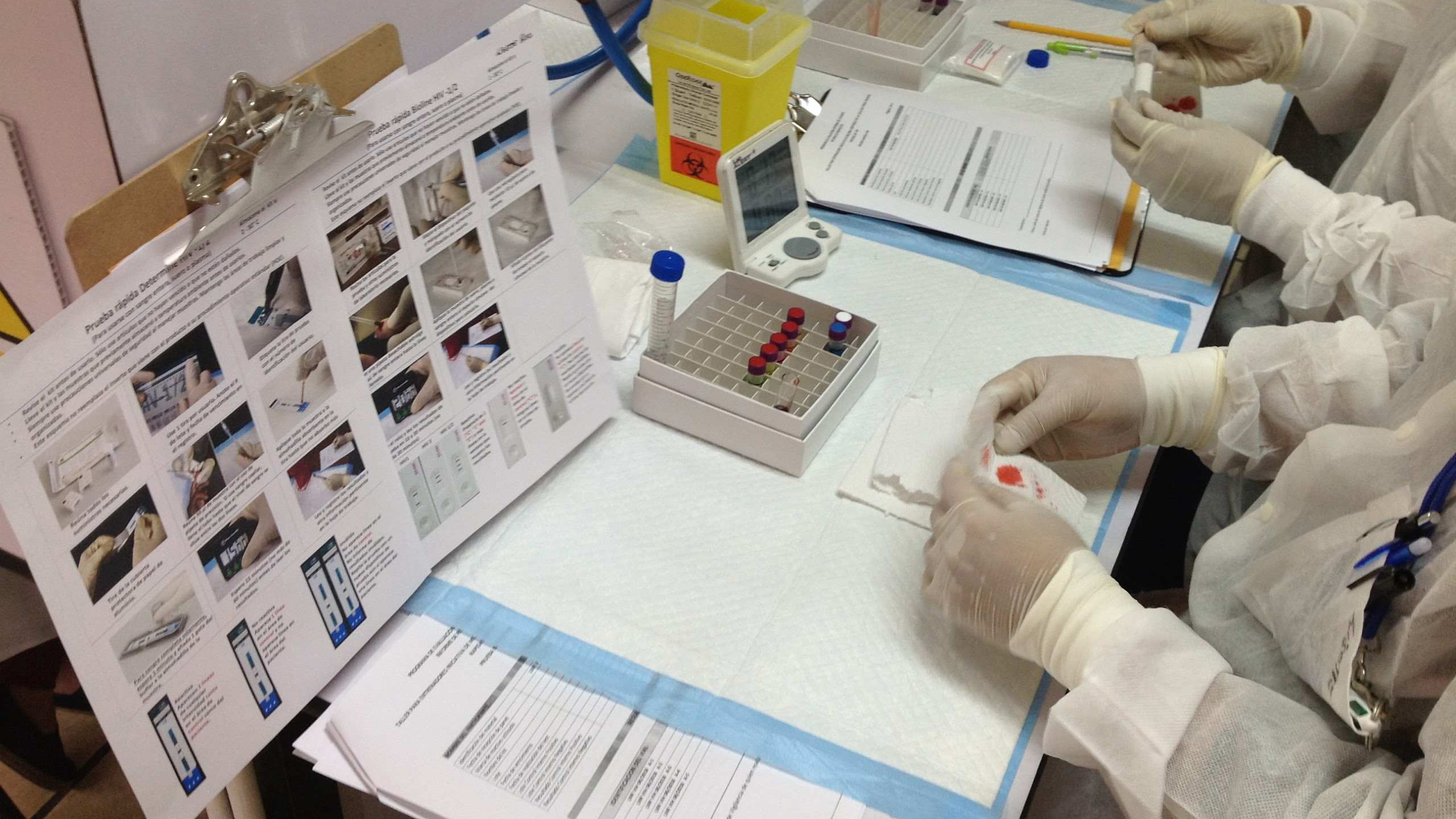
Leadership across the region
Through RTCQI, Guatemala, home to one of CDC's regional hubs, has emerged as a leader in strengthening national HIV testing standards and advancing broader quality improvement practices across Central America. Key to this progress is the development and launch of National Certification Programs for HIV testers and testing sites. These programs standardize testing practices and establish stronger national benchmarks for quality HIV diagnosis across Guatemala, El Salvador, Honduras, and Panama. By improving the accuracy and reliability of HIV testing, these programs are also strengthening confidence in test results and healthcare systems across the region.
For the first time, countries have standardized criteria to certify, and when needed, decertify, testing sites based on performance and compliance. These programs go beyond one-time evaluations by incorporating structured training, ongoing mentorship, and regular recertification cycles to help ensure quality is maintained over time. Notably, all certified sites and testers have successfully renewed their certification, demonstrating sustained performance and growing system resilience.
Progress across the region reflects strong momentum:
Since 2017, 753 testers have been trained and certified across the four countries. In Panama, 40 certified testers are based in indigenous regions, expanding access to quality-assured services in underserved communities. Staff also report that certification has strengthened both technical performance and community credibility. With clearer protocols, improved training, and ongoing supervision, testers are more confident in delivering accurate results. Looking ahead, countries plan to continue expanding enrollment so that 100% of testing sites can participate in the certification program, ensuring broader and more consistent quality standards nationwide.
Looking ahead
Through the implementation of national certification programs, countries are doing more than improving HIV test results, they are building durable systems for quality management and continuous improvement.
One of the most important lessons learned has been the value of structured mentorship, coaching, and ongoing capacity-building to ensure performance continues to improve beyond initial certification. Baseline audits and follow-up evaluations have also helped countries measure progress, strengthen accountability, and accelerate corrective actions when challenges are identified. In several countries, these efforts have contributed to increases in the number of certified facilities and testers, while improving the overall consistency and reliability of HIV diagnosis.
As countries continue expanding these programs, sustainability remains a central focus. CDC and national governments are exploring ways to integrate certification systems into broader health system reforms so that what began as an HIV quality improvement initiative can serve as a long-term foundation for diagnostic strategies. The progress made through RTCQI demonstrates what is possible when countries are supported to lead their own quality improvement efforts.
"By prioritizing the training of local staff and equipping them with quality management tools, this strategy builds lasting capacity, improves compliance with standards, and supports sustainable, country-led systems."
- Rolando Lorenzana, Program Manager, ICAP
This page was last updated on this date. Updates may include minor edits, image changes, or other modifications to page content.
The information on this page was last reviewed by subject matter experts to ensure accuracy.