



At a glance
Overview
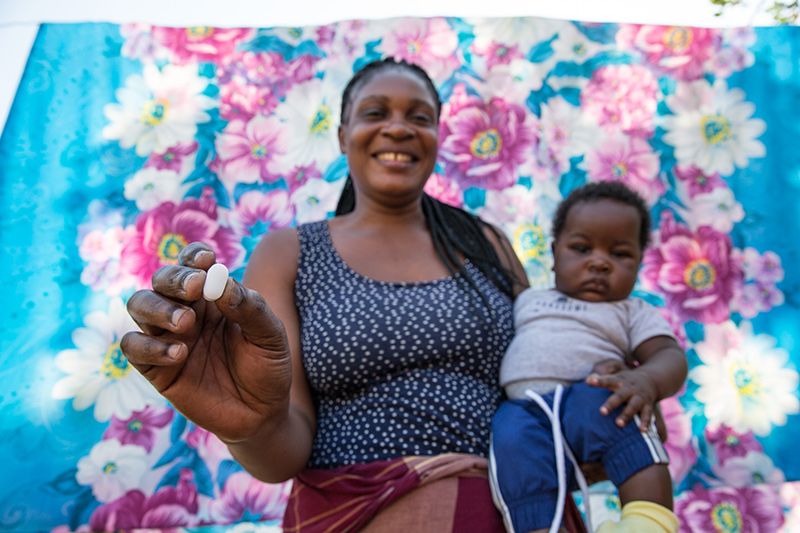
Globally, in 2024, an estimated 120,000 new HIV infections occurred in children aged 0-14 years. Mother-to-child transmission of HIV, also known as vertical transmission, occurs when the virus passes from mother to baby during pregnancy, delivery, or through breastfeeding. When a woman living with HIV is on antiretroviral therapy (ART) and maintains an undetectable viral load, the risk of transmitting HIV to her baby is extremely low.
Historically through the U.S. President's Emergency Plan for AIDS Relief (PEPFAR), CDC has supported countries' HIV responses while strengthening maternal and child health for more than 20 years.
Prioritizing pregnant and breastfeeding women
CDC supports HIV prevention and treatment services during pregnancy, labor, delivery, and in the postpartum period. Elimination of Mother-to-Child Transmission (EMTCT) programs provide critical care to pregnant and breastfeeding mothers, ensuring that mothers are tested for HIV as the first step in the EMTCT pathway. For HIV-negative mothers, HIV prevention services such as Pre-exposure prophylaxis (PrEP) prevent new maternal HIV infections that can be further transmitted to their babies.
CDC helped over eight million pregnant women find out their HIV status in their first pregnancy care visit
Women who test positive for HIV are immediately started on lifesaving ART, which provides critical protection against passing HIV to their babies and improves their own health. Since CDC’s program began, more than 5.5 million babies have been born HIV-free to mothers living with HIV. Services continue for the mother and her baby until the baby's HIV status is known.
CDC supports lifesaving treatment for pregnant and breastfeeding women living with HIV.
Advancing testing, care, and treatment
Early infant diagnosis
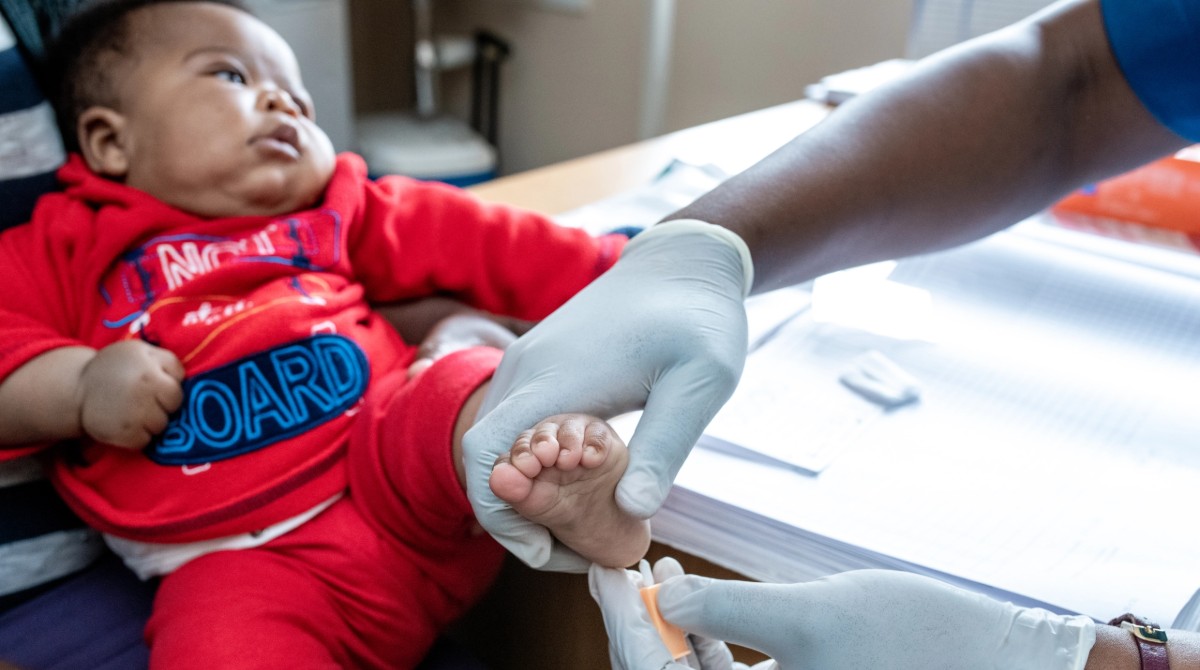
Early infant diagnosis programs test infants born to HIV-positive mothers before two months of age to identify those who acquired HIV and link them to lifesaving ART. The first infant test is done before two months of age; infants who test HIV-negative at that point and are still breastfeeding are retested at ages nine months and 18 months.
Pediatric testing and treatment
Globally, 1.4 million children are living with HIV. Without testing and treatment, half of these children will die by the age of two, and 80% will not live to their fifth birthday.
The number of children receiving ART also lags behind adults. In 2024, only 55% of children living with HIV received treatment, compared to 78% of adults.
CDC tested over 4.4 million children for HIV.
While progress has been made, efforts must continue to find undiagnosed children and connect them to the best treatment options available.
Supporting sustained systems
CDC supports countries to build sustainable, self-reliant systems for mothers and their babies. These efforts have included integrating HIV services into maternal and child health services, decentralizing laboratory and early infant diagnosis capacity, expanding viral load monitoring, strengthening data systems, and training frontline health workers.
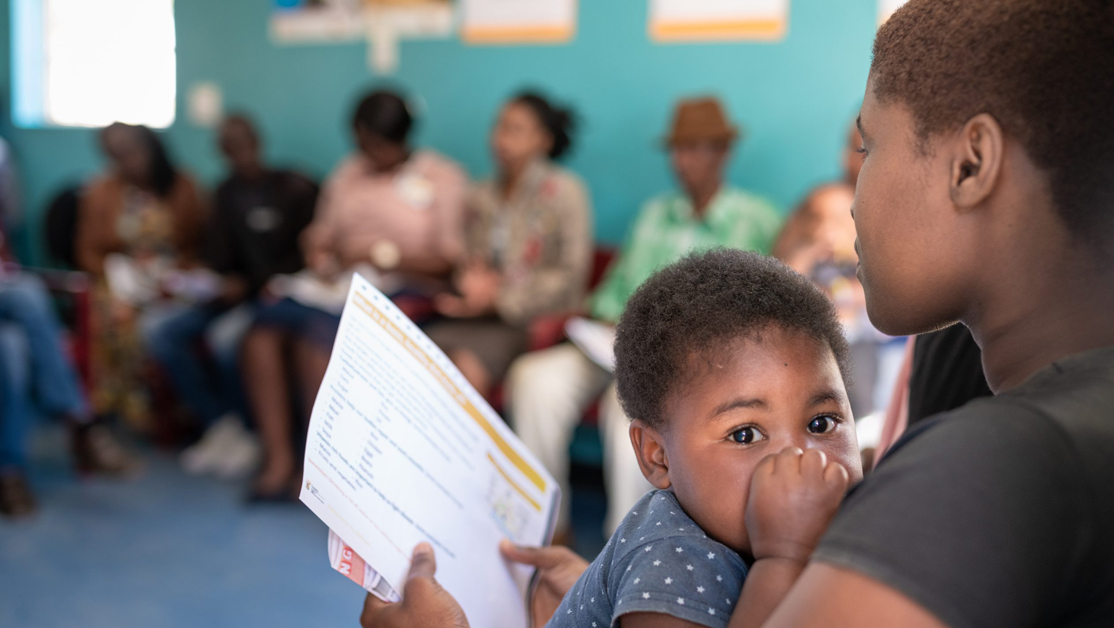
Through CDC’s public health leadership, countries are building self-reliant, sustainable maternal and child health systems that eliminate mother-to-child HIV transmission and deliver lasting results for families worldwide, safeguarding American health and interests.