



At a glance
- The COVID-19 pandemic highlighted major gaps in Cameroon's laboratory and surveillance systems.
- CDC Cameroon partnered with health organizations like the National Public Health Laboratory (NPHL) to build lab systems to fight disease outbreaks.
- Through the partnership with NPHL along with lessons learned, Cameroon is now better equipped to fight other outbreaks.
The Challenge
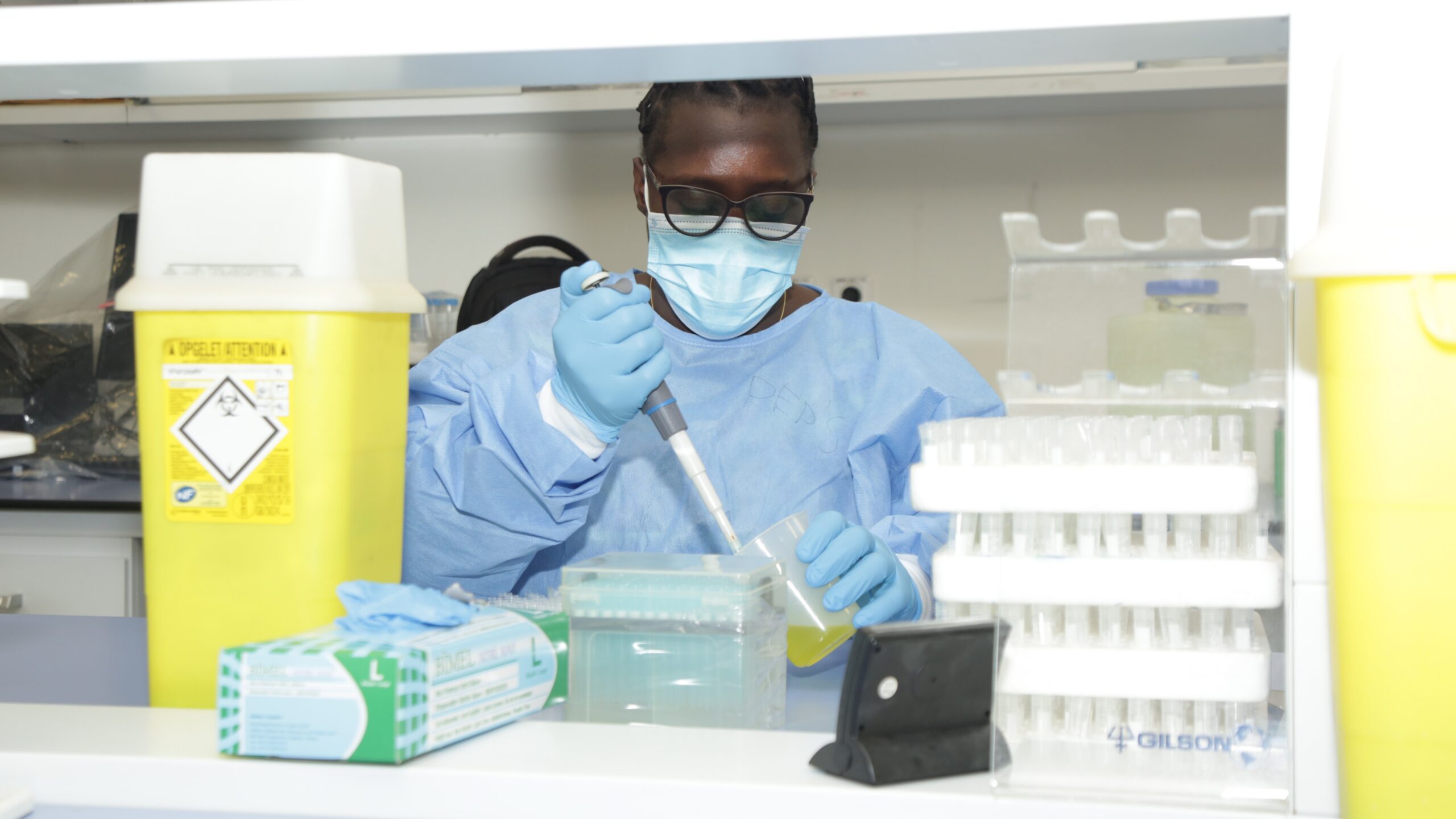
In 2020, Cameroon—a small country in Central Africa—was hit hard by the COVID-19 pandemic, exposing serious gaps in its preparedness and laboratory systems.
The capital city, Yaoundé, and the economic hub, Douala, were among the hardest hit. Ongoing political conflict led to mass displacement, accelerating the spread of disease and overwhelming already fragile public health systems.
This crisis underscored the urgent need for stronger disease surveillance and laboratory infrastructure—not only to strengthen Cameroon's public health response but also to help prevent the spread of diseases beyond its borders, including to the United States.
CDC’s Response
After Cameroon confirmed its first COVID-19 case on March 5, 2020, the Ministry of Public Health quickly activated an incident management system at its Public Health Emergency Operations Center and launched an outbreak response plan.
As case numbers surged, clinics across the country were inundated with patients needing COVID-19 testing. The demand quickly overwhelmed the nation's limited laboratory capacity, escalating the crisis.
The pandemic also strained the country's ability to address other ongoing outbreaks, including measles, monkeypox, and arboviral diseases.
That's where CDC stepped in. As part of its global emergency response, CDC Cameroon mobilized experts from its Division of Global Health Protection (DGHP) and the Division of Global HIV & TB (DGHT) to help the country regain control—starting with its laboratories.
Impact
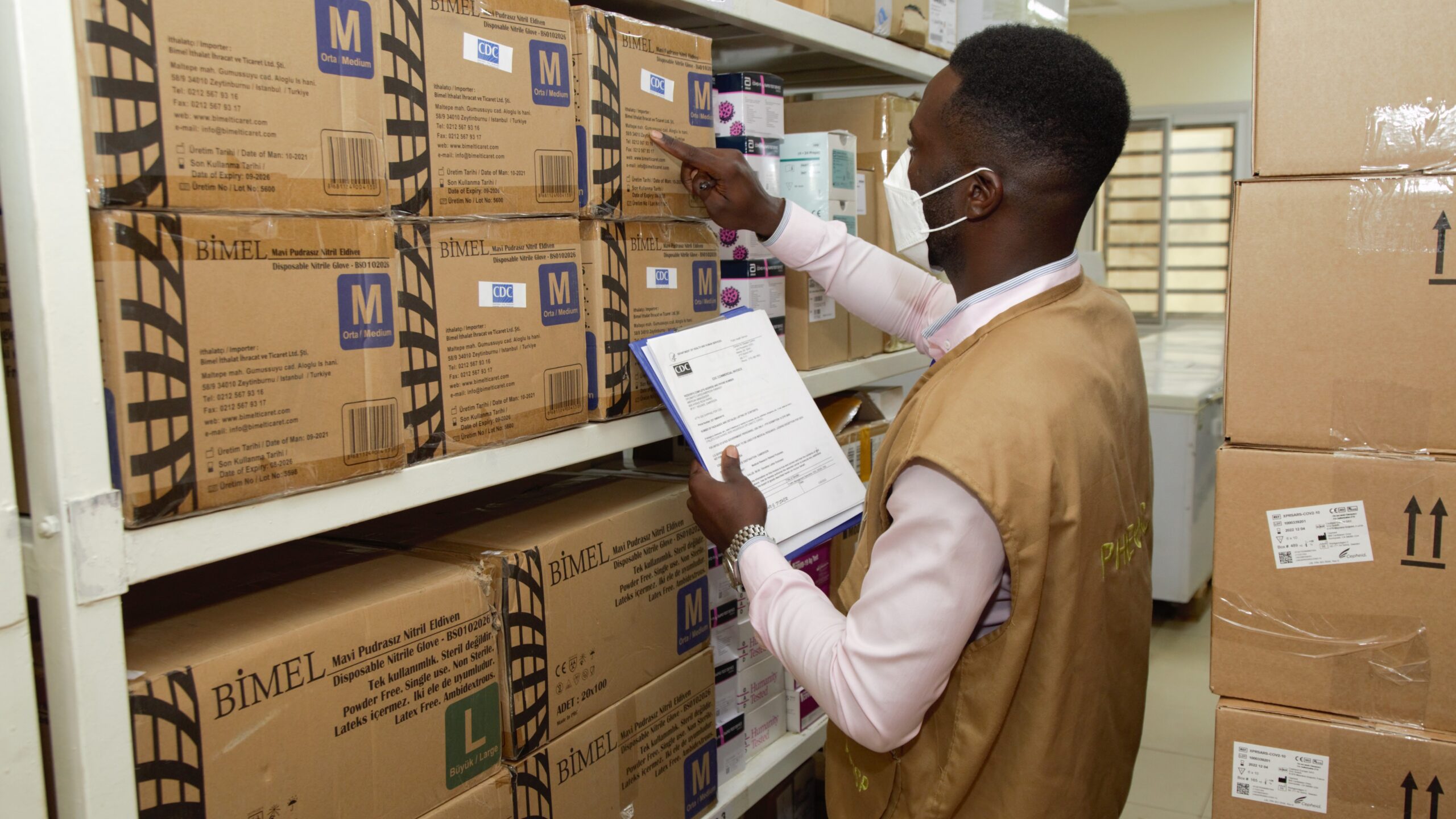
Over the years, CDC Cameroon partnered with the Ministry of Public Health to create the National Public Health Laboratory (NPHL), to strengthen laboratory and surveillance networks and enhance the public health workforce's ability to respond rapidly and effectively to health emergencies.
These efforts support CDC's global mission: to protect the health and safety of Americans by detecting and responding to disease threats before they reach U.S. shores.
In any outbreak response, having a rapid, and accurate diagnosis is one of the most powerful tools. The COVID-19 pandemic highlighted major gaps in Cameroon’s laboratory and surveillance systems. To address these challenges and prevent the spread of other infectious diseases, CDC Cameroon and NPHL worked together to:
- Monitor and track the spread of COVID-19, monkeypox, whooping cough and measles
- Expand diagnostic testing
- Implement Rapid Testing Continuous Quality Improvement (RT-CQI) programs to ensure testing accuracy and reliability
These efforts demonstrate the value of strong partnerships and technical expertise in stopping disease threats at their source—before they can impact Americans.
Public health workers are at the heart of global health security. That's why CDC and NPHL prioritized laboratory workforce development and certification, training laboratory staff across the country in specimen collection, diagnostic testing, and safe specimen packaging and transport for diseases such as cholera, COVID-19, monkeypox, whooping cough and HIV.
Healthcare workers in all ten regions of Cameroon were also trained on the proper use of personal protective equipment (PPE).
During this initiative, DGHP collaborated with DGHT which resulted in an increase in the number of PCR-capable laboratories, expanding from single to multiple disease testing sites in nine out of ten regions in the country.
These investments have significantly improved Cameroon's capacity to detect and respond to health threats—helping stop outbreaks before they can spread globally.
When COVID-19 emerged, Cameroon lacked essential laboratory supplies and equipment. With CDC support, the government collaborated with the CDC COVID-19 International Task Force, UNICEF, CDC Cameroon, and the Ministry of Health to increase its stockpile of laboratory materials and PPE.
This partnership enabled the country to safely procure and distribute critical items including PPE, sample collection kits, and lab tools such as vacutainers and sampling tubes.
Additionally, NPHL worked with health partners to provide key equipment—like QuantStudio PCR thermocyclers—that played a vital role in responding to monkeypox, diphtheria, and whooping cough outbreaks in 2024.
- Ariane Nzouankeu, Senior Laboratory Advisor, CDC Division of Global Health Protection
Broader Implications
Today, thanks to improved partnerships and hard-earned lessons from the recent pandemic, Cameroon is better prepared to face future threats. In 2024 alone, CDC Cameroon and NPHL trained lab staff across the country, leading to the detection of Cameroon's first confirmed case of whooping cough. The strengthened workforce also improved response capabilities for diseases like cholera and monkeypox through better testing and sample management. A sustained 15-month effort to secure laboratory supplies further boosted preparedness.
CDC continues to play a vital role in helping countries like Cameroon detect, respond to, and contain health threats—delivering high-impact returns here in the U.S. These efforts protect lives and help ensure a healthier, safer, and more secure future for all.