



At a glance
- CDC partners with Ministries of Health and partners to launch 7-1-7 a framework to improve the speed and effectiveness of outbreak detection and response.
- In 2025, El Salvador became the first country in the Central American region to formally adopt and implement the 7-1-7 framework.
- Since its launch, more than 200 public health professionals have been trained to apply the 7-1-7 framework and use its tools to strengthen readiness and response.
The Challenge
Reducing Delays, Improving Decisions
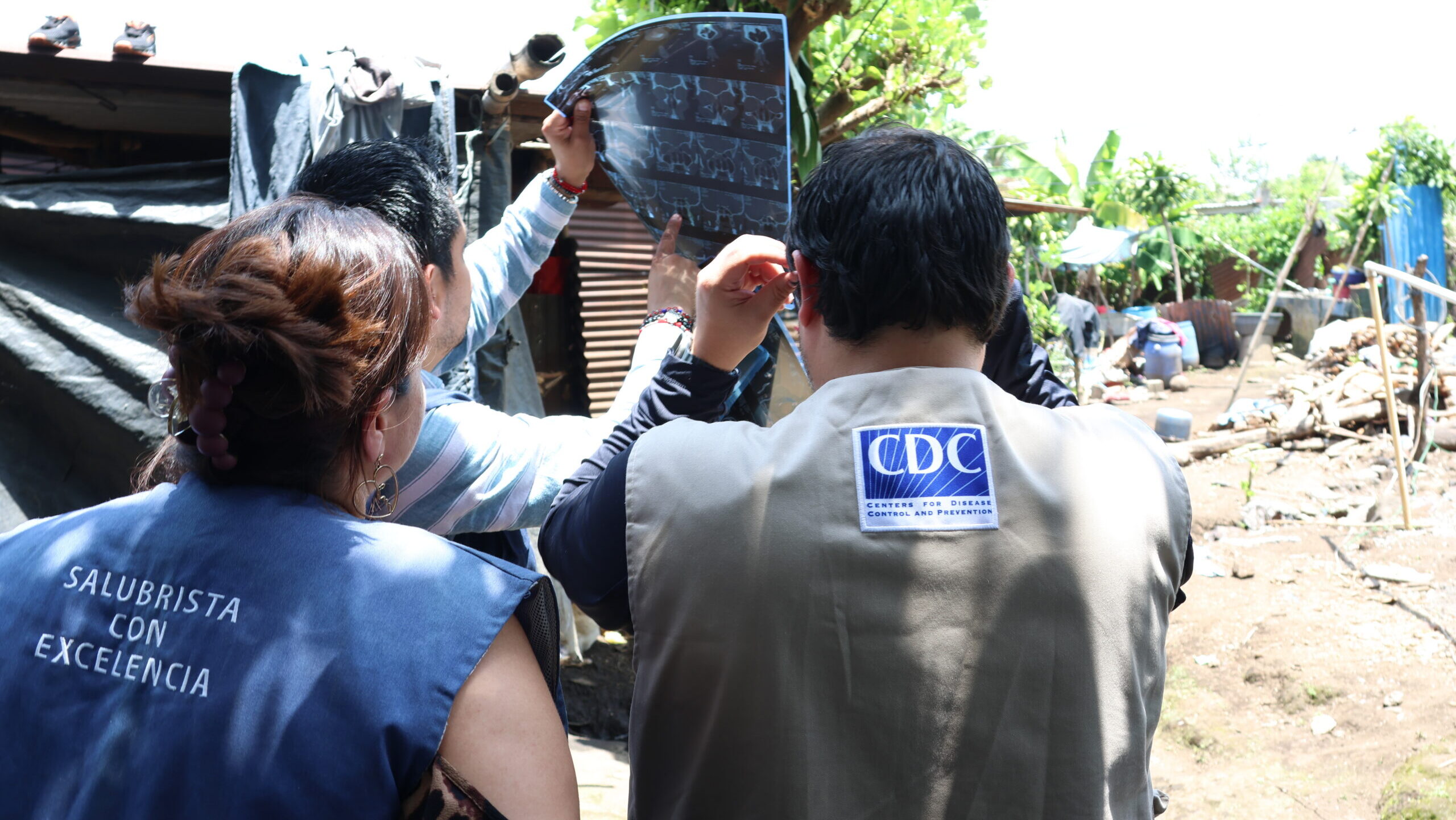
In El Salvador, public health teams are starting to measure something that was once hard to see: how long it actually takes to detect, report, and respond to an outbreak.
To do that, the country adopted the 7-1-7 framework—a simple approach that tracks how quickly a health threat is detected, reported, and responded to. The goal is straightforward: detect the disease pathogen within seven days, notify within one day, and launch an effective response within seven days.
For years, like many countries across Central America, teams investigated outbreaks, mobilized resources, and made decisions, but without a consistent way to measure timeliness, delays could go unnoticed until they became harder to manage.
That's what is starting to change.
Working alongside Ministries of Health and regional partners, CDC's Division of Global Health Protection (DGHP) is helping countries across Central America implement the 7-1-7 framework to strengthen the speed and coordination of outbreak response. In a world where diseases can spread internationally in as little as 36 hours, improving how quickly countries detect and contain outbreaks abroad helps reduce the risk of dangerous health threats spreading across borders—including to the United States.
CDC's Efforts
Implementation: Adapting the 7-1-7 Framework
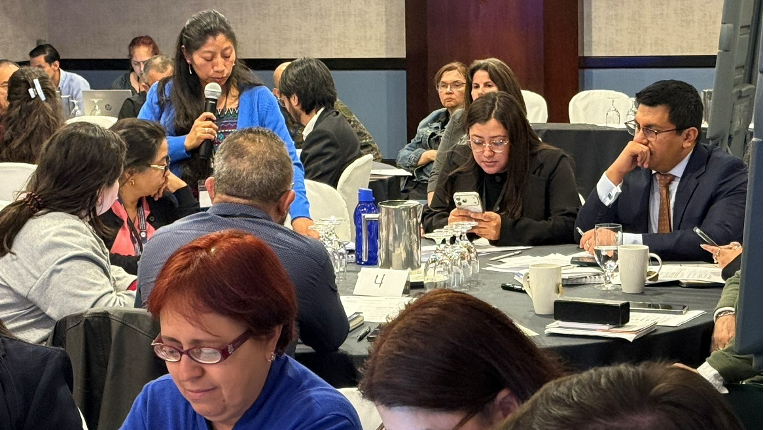
In 2025, El Salvador became the first country in the region to formally adopt and implement the 7-1-7 framework. With support from CDC, the 7-1-7 Alliance, the Pan American Health Organization, Executive Secretariat of the Council of Ministers of Health of Central America and the Dominican Republic (SE-COMISCA) and other implementing partners, the Ministry of Health adapted the framework and its tools to fit how teams operate day to day—training national authorities, regional health directors, hospital staff, and infection prevention teams to apply it in real-world settings.
Over six months, the country analyzed 17 public health events, including cases linked to international travel and infections identified within healthcare settings. That analysis did more than generate data, it gave health officials a clearer picture of how quickly their system could act, and where coordination could improve.
At the same time, the Ministry of Health moved quickly to turn those insights into action. They developed national guidelines to track the timeliness of detection and response. They also updated information systems to allow real-time monitoring and designed simulation exercises around recent outbreaks — helping teams practice responding to scenarios involving community transmission, healthcare-associated infections, and zoonotic events.
The result is a system that is not just responding but learning.
- Kathy Hageman, CDC's Regional Associate Director for Central America
That momentum is beginning to extend beyond El Salvador.
Impact
Country-led Initiative Creates Regional Impact
Building on early implementation, the Ministry of Health brought together institutions across the national health system—including the Social Security Institute, Military Health Services, Teachers' Welfare, and the Health Solidarity Fund—to align around a shared approach to outbreak response.
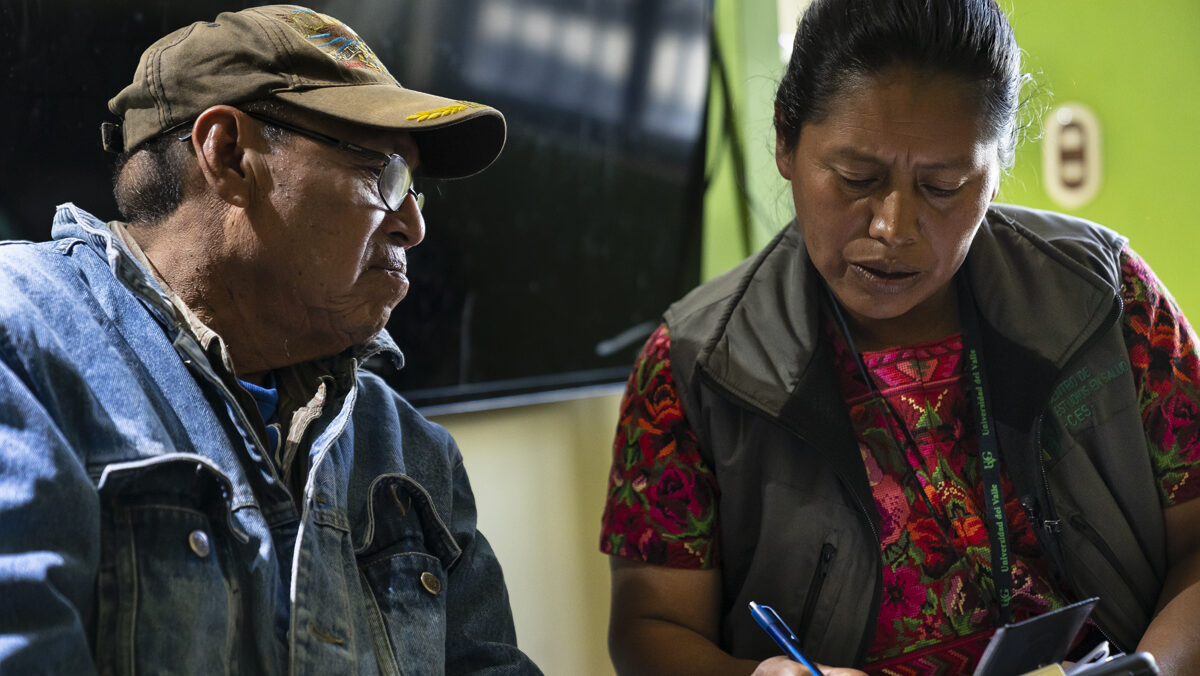
Regional partners are taking notes. Inspired by El Salvador's early implementation efforts, CDC and the SE-COMISCA worked with Ministries of Health and other regional health partners to support Guatemala in implementing 7-1-7. Led by El Salvador's Division of Preventive Medicine and Emergency Operations Center, training and implementation efforts in Guatemala began in March 2026.
What's emerging is not just a framework, but a model—one that is helping countries across Central America strengthen their ability to detect, respond to, and contain outbreaks before they become epidemics.
Broader Implications
A Model for Smarter, Faster, More Collaborative Response
When countries can measure how quickly they detect and respond to threats, they can improve those timelines. And when response becomes faster and more coordinated, outbreaks are more likely to be contained before they spread—across borders or beyond the region.
In a world where diseases can move quickly, that kind of visibility matters. Because the difference between a contained outbreak and a wider crisis often comes down to time—and knowing exactly where that time is gained or lost.
By working together to stop outbreaks at their source, efforts like the 7-1-7 strategy help protect lives around the world and advance the shared goal of a safer, healthier future for Americans at home and abroad.