



At a glance
- In 2025, Senegal faced its largest Rift Valley Fever outbreak in a decade.
- CDC's partnership with Senegal expanded local laboratories and the public health workforce to improve outbreak detection.
- Within just four months, the outbreak was contained before it crossed borders.
The Outbreak
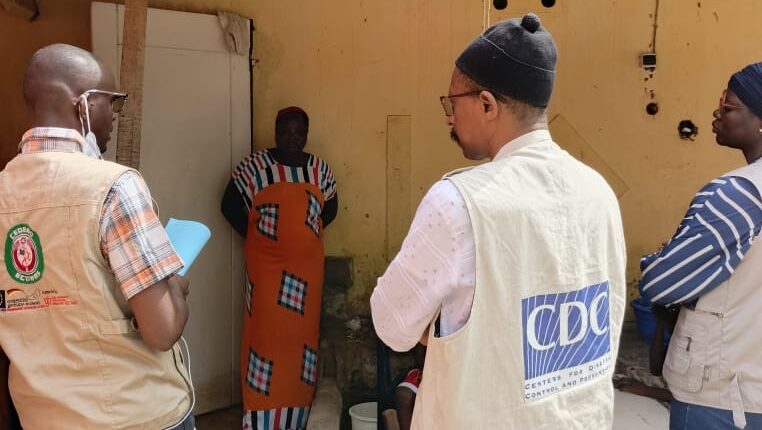
In September 2025, Senegal faced its largest Rift Valley Fever (RVF) outbreak in a decade, sweeping through 12 out of the country's 14 regions. Spread to humans through mosquitoes and infected animals, this viral disease can devastate livestock, threatening food supplies and livelihoods, while severe cases in humans can cause blindness, brain swelling, hemorrhaging, and death. With Senegal just a single flight away from the United States, the risk was clear—the virus could easily reach American soil, putting millions of lives in jeopardy.
In previous years, getting a test result for this or any virus—positive or negative—required experts to ship samples hundreds of miles away, delaying answers and allowing the virus to continue to spread unnoticed. This time, the outbreak unfolded differently. Thanks to CDC's investments in laboratory capacity, a trained workforce, and emergency management, Senegal was prepared to act quickly.
- Dr. Papa Samba Dièye, Head of Senegal's National Public Health Emergency Operations Center
CDC's Rapid Detection Saving Lives
Perhaps most critically, establishing a network of local laboratories, ahead of the outbreak, was the key to Senegal's fast, life-saving response. Working closely with the country's Ministry of Health and Public Hygiene (MOHPH), CDC set up local laboratories in multiple regions to test samples at the source, dramatically cutting turn-around times for disease confirmation.
When Rift Valley Fever struck, these improvements made all the difference. Health teams on the ground were able to confirm test results rapidly, detect the outbreak within just six days, and notify health authorities within the same day.
The CDC-established local laboratories confirmed a majority of reported cases, including many at the epicenter in Saint-Louis, delivering rapid results where they mattered most. With clear answers in hand, Senegal's public health experts were able to initiate a swift and decisive response on the ground.
Ongoing investments in workforce were equally essential. For more than a decade, CDC worked alongside country partners to bolster Senegal's team of public health experts. Their efforts paid off—in 2025, there were more than 500 graduates of CDC's flagship Field Epidemiology Training Program (FETP) and Public Health Emergency Management (PHEM), ready to deploy at a moment's notice.
Within just five days of notification, these CDC-trained disease detectives arrived on the ground and began investigating cases. Senegal also quickly activated its Public Health Emergency Operations Center (PHEOC), delivering essential resources and expert support to the impacted communities.
Dr. Boly Diop, MOH Head of Surveillance, hailed the support of frontline experts as a game changer.
- Dr. Boly Diop
One Health: Connecting Humans, Animals, and the Environment
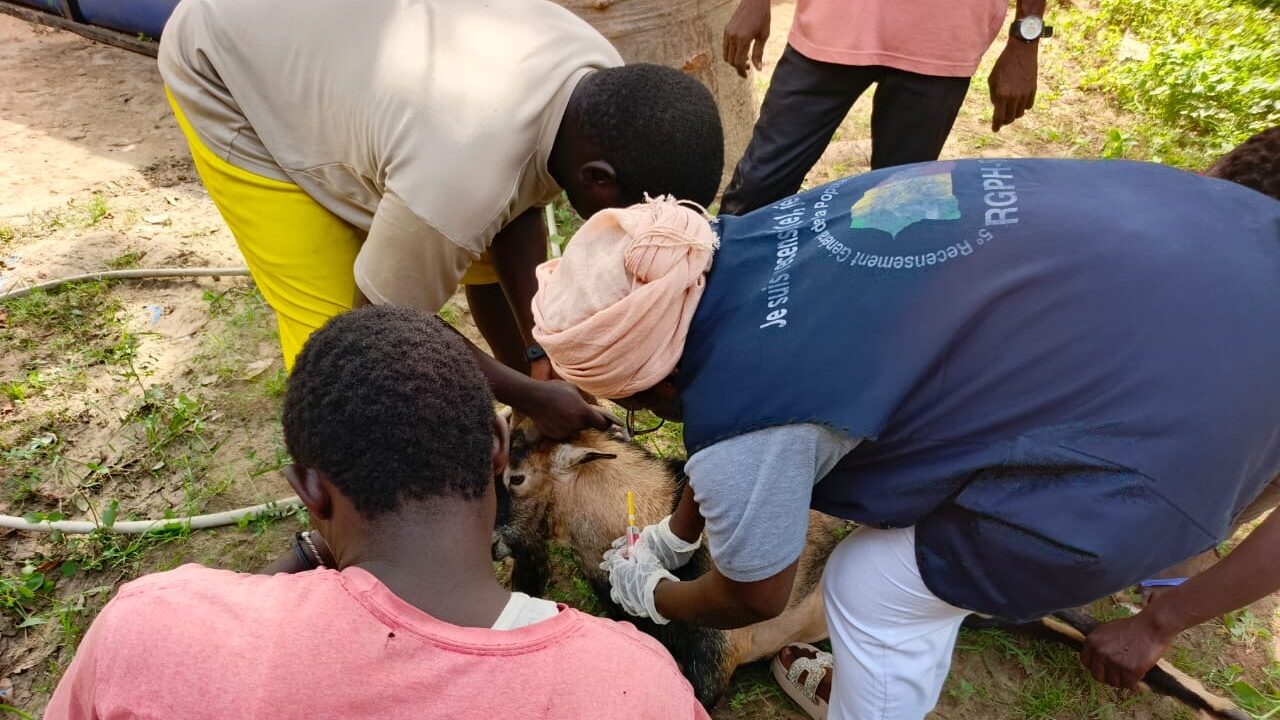
The entire response was coordinated as a part of a unified One Health approach.
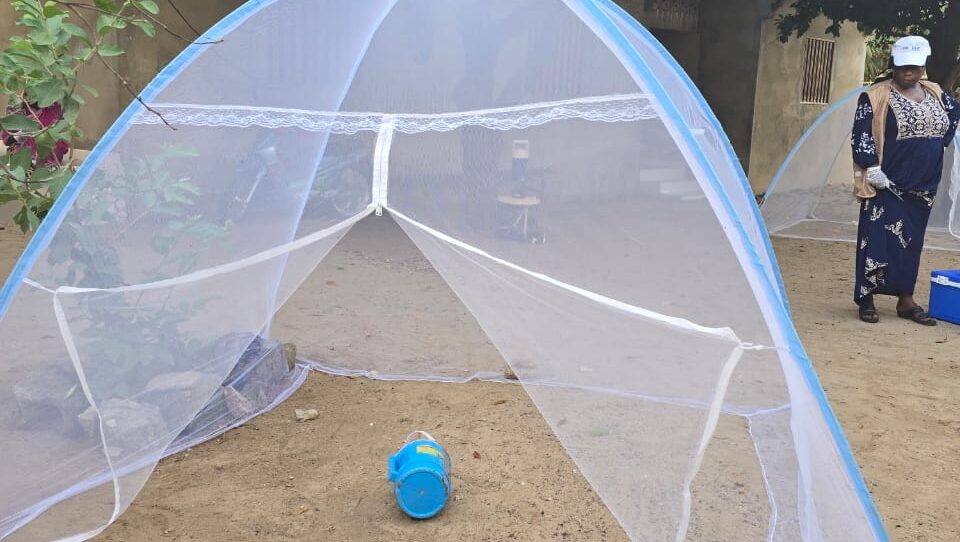
CDC-trained experts tackled the threat to people and animals all at once. They worked to detect new cases, provided vaccinations to livestock, and worked to treat any areas where mosquitos might be able to breed.
Ultimately, this far-reaching effort stopped the virus before it could cross borders, protecting communities abroad and at home.
Impact
The Rift Valley Fever outbreak in Senegal in 2025, put the public health systems that have been built over multiple years, with CDC's support, to the test, and they succeeded. Within weeks, the spread of the virus began to slow, and case numbers dropped. In just four months, the outbreak was contained.
- Dr. Gnakub (Norbert) Soke, Head of CDC Senegal on CDC's support
From September 2025 to January 2026, the CDC-established labs swiftly confirmed 447 human cases, including 31 deaths. DGHP trained disease detectives also identified 434 animal cases and vaccinated more than 50,000 livestock, aiming to halt the virus in its tracks. Their quick, coordinated effort contained the dangerous virus, and not only saved lives, but also prevented a larger outbreak.
The Bigger Picture
Senegal was able to contain Rift Valley Fever quickly, showing just how important strong public health systems are. With how quickly pathogens can spread across borders, swift action determines whether it is contained or becomes a crisis. The achievement is not only a win for Senegal; it's a global model for success in outbreak response.
Working in trusted partnerships, CDC's global health security experts are able to equip countries with the right tools, like strong public health systems and trained experts that are ready to act fast and save countless lives. This rapid action against public health threats doesn't just keep local communities safe, it protects people all over the world, including here in the United States.