



At a glance
Understanding Heat Events and Your Health
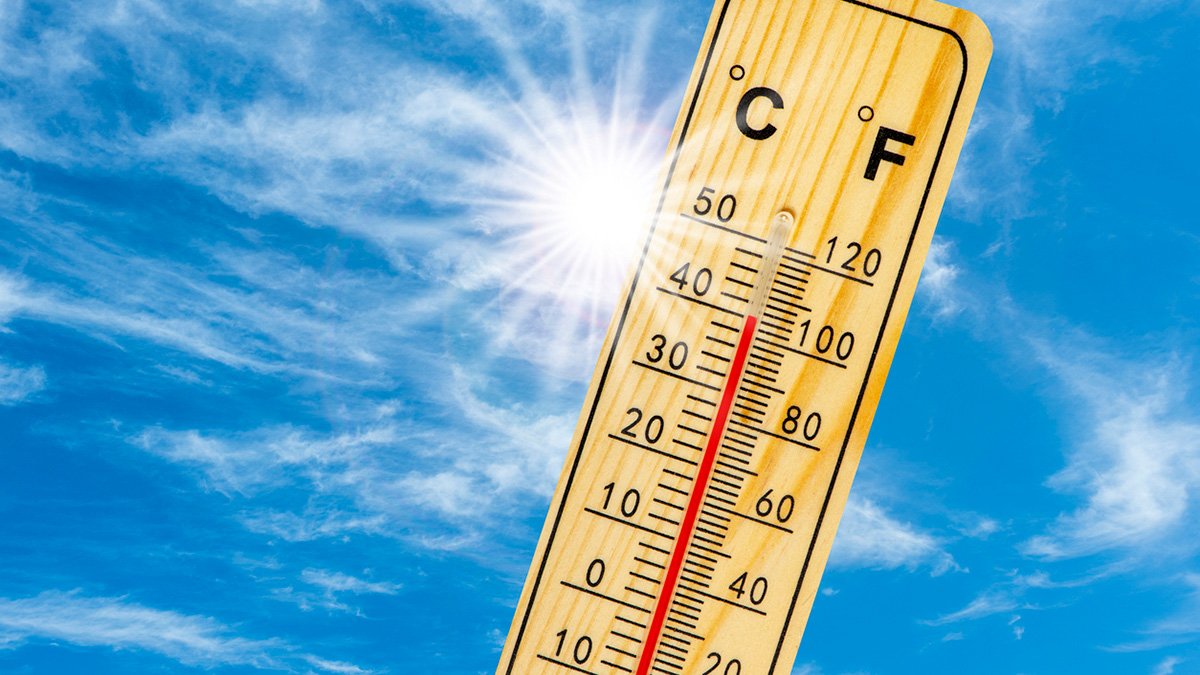
Heat events, or heat waves, are one of the leading causes of weather-related deaths in the United States. When temperatures rise in the summer, extremely hot weather can cause sickness or even death.
Heat-related illness happens when your body can't cool down properly. The body normally cools itself by sweating. But under some conditions, sweating just isn't enough. In such cases, a person's body temperature rises rapidly. Very high body temperatures may damage the brain or other vital organs.
Powered by Tracking: Heat Events
The Tracking Program provides valuable data and resources to help people understand and prevent the health risks posed by heat events.
Discover data on heat and heat-related illnesses throughout the United States.
- emergency department visits, hospital stays, and deaths
- forecasted and historical heat event data
- factors that may increase your risk for heat-related health effects
Explore CDC's Heat & Health Tracker to see how heat events affects your county, populations that are at risk, and resources for response.
Access CDC's HeatRisk Dashboard to get personalized heat forecast information, details on local air quality, and actions you can take to protect your health.
Prevent Heat-Related Illness
Heat-related illnesses or death is preventable if you follow a few simple steps.
- Stay in an air-conditioned area during the hottest hours of the day.
- Find a cooling center if you do not have access to air conditioning.
- Wear light, loose-fitting clothing.
- Drink water often. Don't wait until you are thirsty.
See Heat and Your Health for more tips on how to stay cool and hydrated on hot days.
Success Stories
Anticipating Extreme Heat Events in Colorado
Colorado Tracking joined the state's Extreme Heat Workgroup after concerns following rising temperatures in the summer of 2023. Subject matter experts in heat-related health surveillance, created the state's first Heat Action Plan. This plan is used to make evidence-based recommendations for public health action during the heat season. Colorado Tracking also shared new guidance and resources with healthcare and public health professionals, including two Health Alert Network (HAN) advisories. These alerts warn about impending risks from heat events and provide data and resources to protect residents. Increased public awareness can contribute to better readiness, health, and safety of Coloradans during heat events.
Protecting Residents from Heat-related Illness in Pennsylvania
The Pennsylvania Tracking Program is taking proactive steps to protect residents from the increasing threat of extreme heat in the state. In 2024, they launched a heat stress project in partnership with the Pennsylvania Occupational Safety and Health Surveillance program. This work focuses on raising awareness of heat-related illness among outdoor workers and non-English speakers who are most at risk.
Tracking program staff created flyers and messages detailing the risks and symptoms of heat-related illness. Their work was translated into eight languages, including Spanish and Arabic, based on user feedback. So far, they have successfully shared the messages with over 26 stakeholder groups with a goal of at least 50 groups. These efforts help more Pennsylvanians recognize and manage heat stress, effectively reducing illness and death.
This page was last updated on this date. Updates may include minor edits, image changes, or other modifications to page content.
The information on this page was last reviewed by subject matter experts to ensure accuracy.