



At a glance
Use this practice to help households on private wells test their well water and do basic repairs. State and local health departments partnered to link residents to testing and repair services.
Background
Around 4 million New York State residents use private wells. Many well owners do not check their water for contaminants.
The state has no requirements for regular well sampling and maintenance. When well owners identify a problem with their well, repairs or remediation can be costly. Private well users often lack the resources and technical knowledge to fix problems with their drinking water source.
Key actions
In this practice, the New York State Department of Health piloted a program in one county focusing on improving the integrity of private well as a first step in reducing exposures. The program involved the following activities:
- Partnering with a local health department to connect with the community and contract with local private well contractors to do well repairs
- Educating well owners through free workshops on well maintenance and testing offered by the local health department and raising awareness of opportunities for free repairs through local contractors
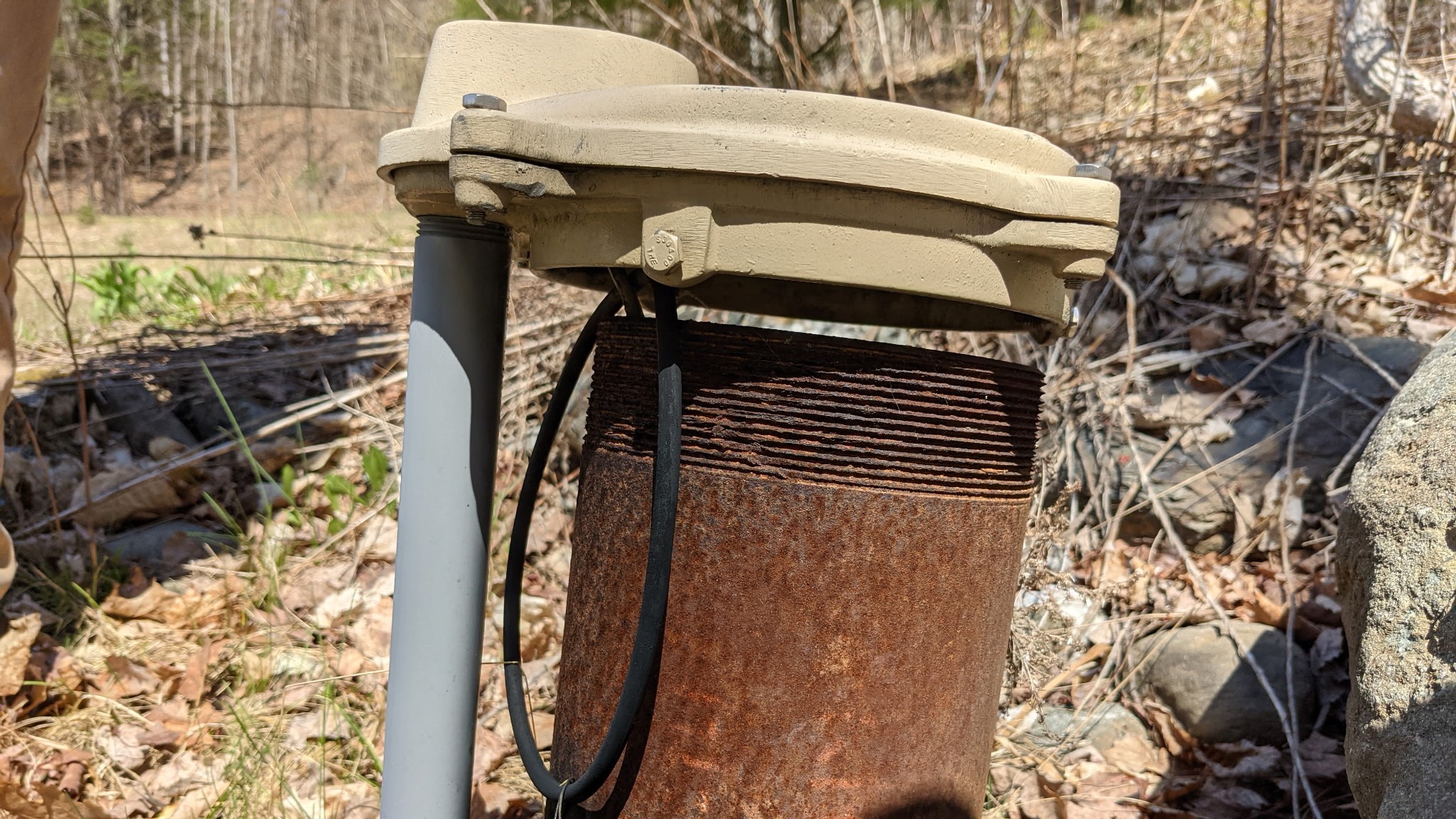
- Inspecting well systems through a home visit by local environmental health specialists and contractors who visually inspect the wellhead, well cap, and other components to determine needed repairs
- Making basic well repairs like replacing well caps, raising well heads, or replacing or installing UV lamps for disinfection
Using this practice
We selected this practice as an example of environmental public health practice successfully applied in the field. We based our selection on these four domains:
- Effectiveness: Did it solve or help solve the environmental health problem?
- Feasibility: What conditions and resources are needed to use it?
- Sustainability: Is it realistically able to continue going forward?
- Transferability: Could other health departments use it with little to no changes?
Effectiveness
The health department collected data on the effectiveness of the repairs in reducing exposures to private well users. Testing before and after the repair showed improvements in water quality. Replacing the well cap was a cheap and effective repair.
Feasibility
Other health departments interested in this practice may need the following capacity:
- Technical knowledge of well construction, vulnerability assessment, septic systems, and water sampling
- Skills in administering contracts
- Ability to communicate effectively with the public
- Strong relationships with local county health departments if implementing at the state level
- Access to heavy excavation equipment to dig up buried and pit wells to complete repairs
Sustainability
To maintain this practice, the health department took the following actions:
- Partnered with a state-level healthy homes program to expand the pilot to other counties
- Scaled the number of sampling and repair activities in response to available resources and needs of the community
- Documented all well repairs through extensive pictures, well testing before and after results, and all quotes and invoices
- Completed periodic site visits to the local health department
Transferability
Programs interested in this practice should consider the following factors:
- Community and local health department interest in pursuing the practice
- Number and age of wells in the community
- Costs associated with well water sampling and testing
- Costs associated with repairing private wells
- Local weather conditions that allow repair work to be done
- Knowledge to effectively educate private well users about their sampling results and remediation options
Successes and challenges
The health department was able to partner with the local health department, which proactively reached out to communities to build trust before promoting the program. Because of the successful pilot, the health department was also able to partner with a state-level program to distribute funds to local health departments through an existing mechanism.
Sometimes well repairs required more work than expected to address the problems, leading to a higher cost of repair than estimated.
Connections to Essential Services
Documenting how programs contribute to the Essential Public Health Services may help health departments in the accreditation process with the Public Health Accreditation Board. The activities in this practice support and align with these services:
- Investigate and address hazards (2)
- Educate (3)
- Strengthen communities and partnerships (4)
- Ensure access to services (7)
Citation
In citing this practice in articles, presentations, or elsewhere, we suggest the following citation:
Centers for Disease Control and Prevention. National Center for Environmental Health. Environmental Public Health Practices Gateway. Private well repair program: A practice from New York State Department of Health. U.S. Department of Health and Human Services, CDC, 2026, https://www.cdc.gov/environmental-health-practice/php/gateway/private-well-repair-program.html.