



What to know
- Iatrogenic transmission of the CJD agent has been reported in more than 500 patients mostly linked to contaminated HGH and dura mater grafts.
- Iatrogenic transmission has also been linked to corneal transplants, contaminated neurosurgical instruments, and stereotactic EEG depth electrodes.
- No such transmission has been reported since 1976, when decontamination procedures were improved.
- Cases linked to HGH occasionally are reported.
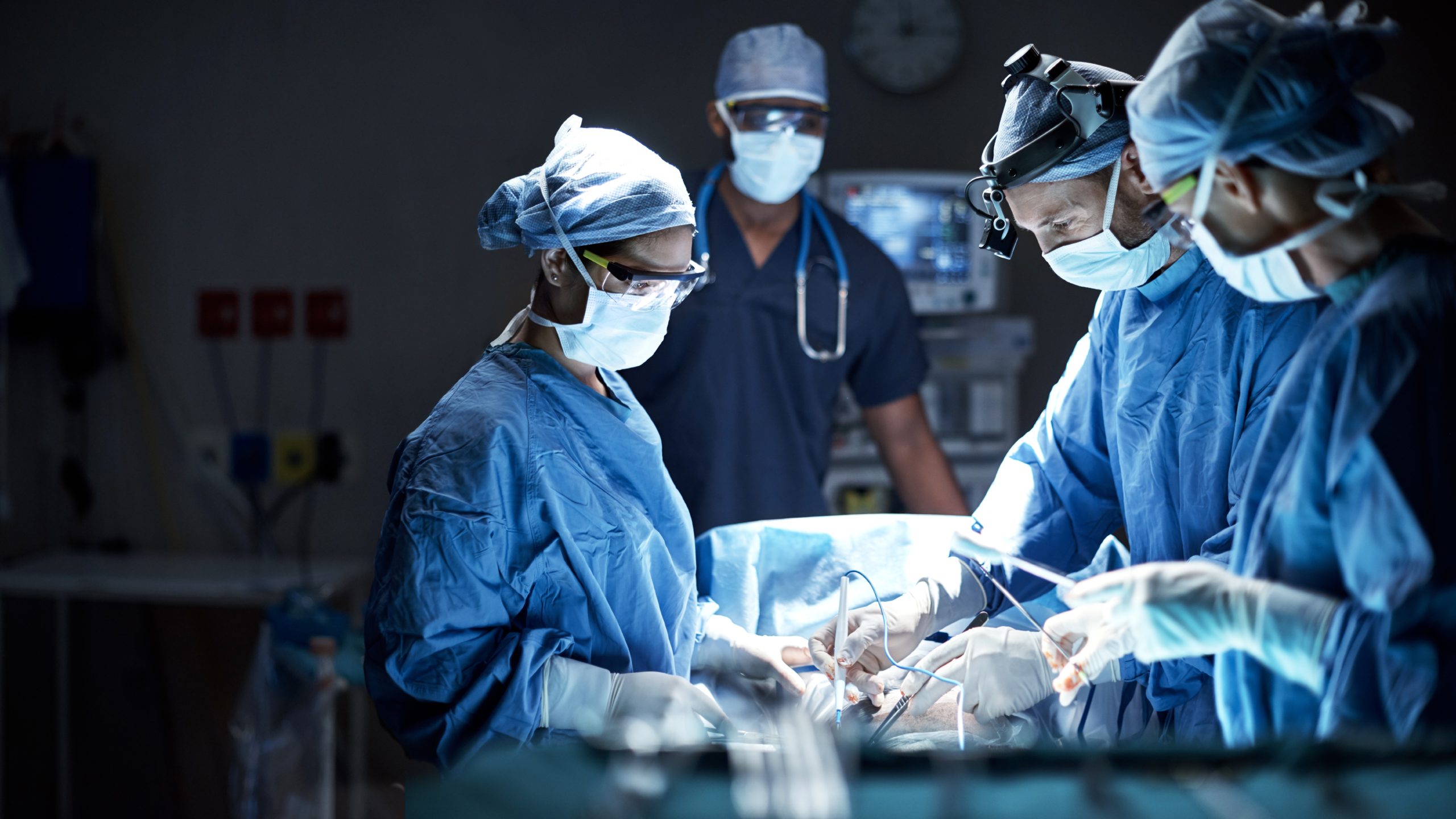
Reprocessing surgical instruments
Inactivation studies have not rigorously evaluated the effectiveness of actual cleaning and reprocessing methods used in healthcare facilities. Instead, recommendations to reprocess potentially CJD-contaminated instruments are primarily derived from in vitro inactivation studies. These studies used either brain tissues or tissue homogenates, both of which pose enormous challenges to any sterilization process.
International public health partners have CJD infection control guidelines for healthcare workers caring for CJD patients. The safest method is to destroy heat-resistant surgical instruments that come in contact with high-infectivity tissues, but this method may not be practical or cost effective. In that case, healthcare providers should follow sterilization methods for tools used on suspected or confirmed CJD patients.
Chemical and autoclave sterilization
The 3 most stringent sterilization methods for heat-resistant instruments are described in Annex III of the CJD infection control guidelines. They are listed below in order of more to less severe treatments.
Sodium hypochlorite may be corrosive to some instruments, such as gold-plated instruments. Consult the instrument manufacturer about the instrument's tolerance of exposure to sodium hypochlorite (NaOH) before you use it. Decontaminate instruments first by a combination of the chemical and recommended autoclaving methods. After those steps, put them through cleaning in a washer cycle and routine sterilization.
Method 1
- Immerse in a pan containing 1N sodium hydroxide (NaOH).
- Heat in a gravity displacement autoclave at 121°C for 30 min.
- Clean, rinse in water, and subject to routine sterilization.
NOTE: Cover the pan containing NaOH and take care not to spill it in the autoclave. Use containers with a rim and lid to collect and drip condensed NaOH back into pan. Be cautious handling hot NaOH solution (post-autoclave) and avoid potential exposure to its gaseous form. Exercise caution during all sterilization steps. Allow the autoclave, instruments, and solutions to cool down before removal.
Method 2
- Immerse in 1N NaOH or sodium hypochlorite (20,000 ppm available chlorine) for 1 hour.
- Transfer instruments to water.
- Heat in a gravity displacement autoclave at 121°C for 1 hour.
- Clean and subject to routine sterilization.
NOTE: NaOH may corrode some instruments.
Method 3
- Immerse in 1N NaOH or sodium hypochlorite (20,000 ppm available chlorine) for 1 hour
- Remove and rinse in water.
- Transfer to open pan and heat in a gravity displacement (121°C) or porous load (134°C) autoclave for 1 hour.
- Clean and subject to routine sterilization.
NOTE: NaOH may corrode some instruments.
FDA investigators evaluated the effects to surgical instruments of the steps involved in the sterilization protocols listed above. They found much of the damage from autoclaving in NaOH was cosmetic and would not affect the performance of the instruments.
Reprocessing instruments used in patients without known CJD
Sometimes, it's not yet known if a patient undergoing neurosurgery has CJD or another prion disease. In these cases, instruments involved in these procedures should be reprocessed as if the patient has suspected or confirmed CJD.
Unless the patient is diagnosed with a condition or illness that is not CJD, consider them as suspect CJD for all infection control requirements.
Decontaminating heat-sensitive instruments and surfaces
Incinerate all disposable instruments, materials, and waste that came in contact with potentially prion-infected tissue regardless of whether there was contact with high-infectivity or low-infectivity tissues of a suspect or confirmed CJD patient.
Decontaminate surfaces and heat-sensitive reusable instruments that come in contact with high- and low-infectivity tissues. This can be done by flooding with or soaking in 2N NaOH or undiluted sodium hypochlorite for 1 hour. They should be rinsed with water after an hour or more.
NOTE: NaOH may be corrosive to some instruments.
Embalming patients with suspected or confirmed CJD
An autopsied or traumatized body of a suspected or confirmed CJD patient can be embalmed. Use precautions outlined in CJD infection control guidelines.
CJD patients who have not been autopsied or whose bodies have not been traumatized can be embalmed using Standard Precautions.
Advise family members of CJD patients to avoid contact if their loved one has been autopsied. This includes touching or kissing the patient's face. However, if the patient has not been autopsied, you don't need to discourage such contact.