



At a glance
Before the 1970s, the U.S. Army’s Operation CHASE (acronym for “Cut Holes and Sink Em”) called for the disposal of surplus, out-of-date, unusable chemical weapons at sea. The chemical agents in these weapons are now an emerging public health problem, especially for fishing workers and seafood production facilities. Chemical weapons can be tangled in fishing nets or accidentally disturbed during commercial fishing, clamming, and dredging.
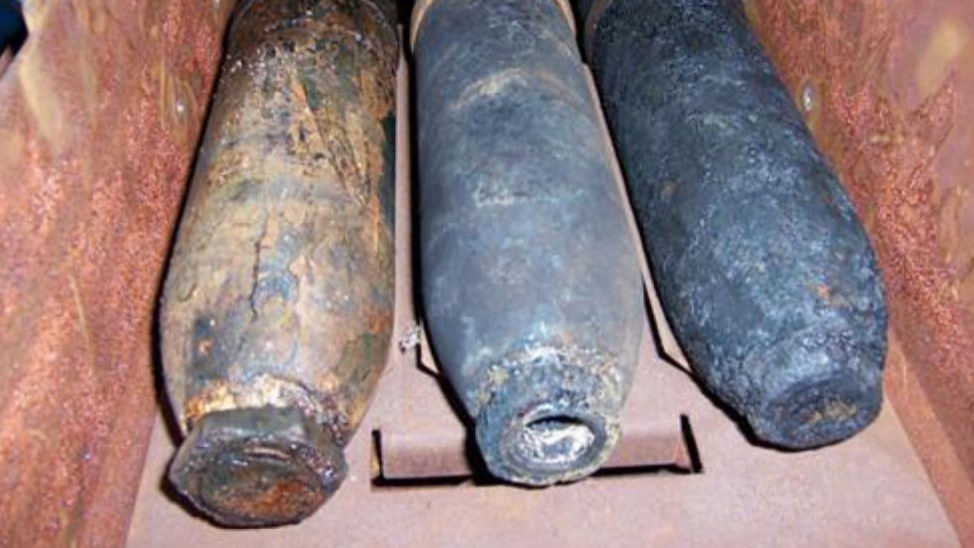
Chemical Weapons at Sea Put Fisherman in Danger
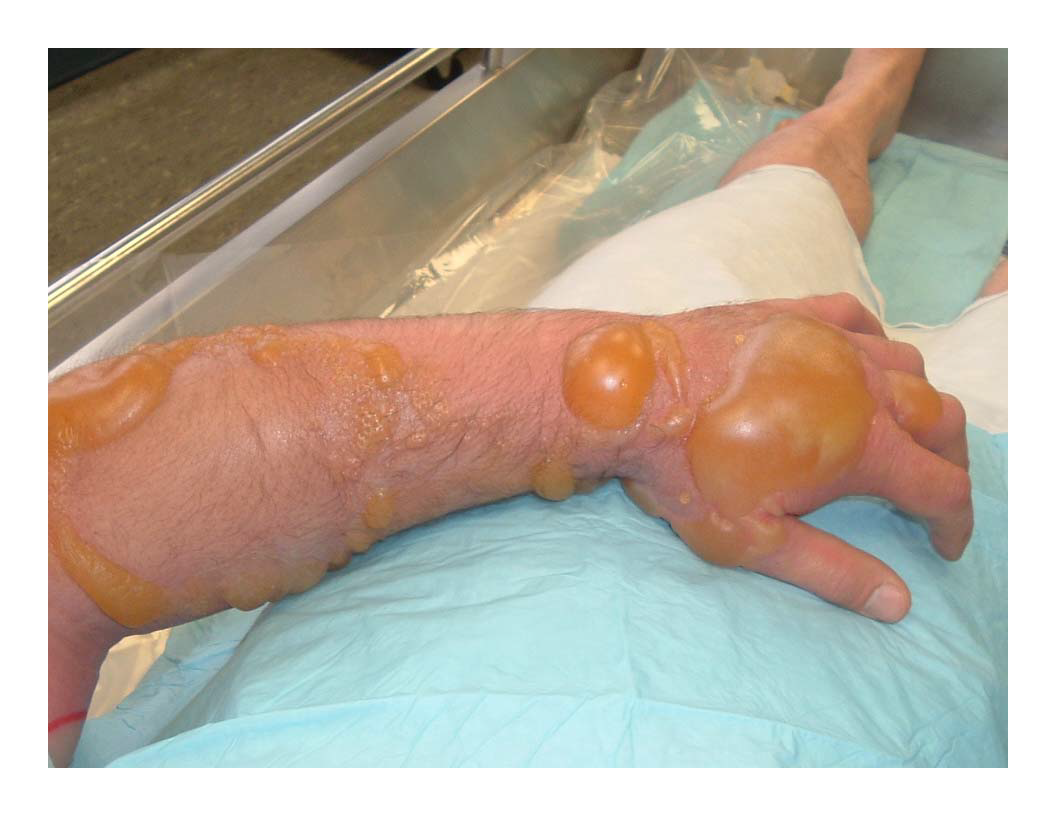
An incident involving chemical weapons on a fishing vessel can result in serious health threats. These include injury to vessel crew members, contamination of the boat, and contamination of the seafood.
In the last 20 years there have been five reported incidents where fishermen had contact with chemical munitions while at sea. Vessel crew members did not know what to do, resulting in unintentional injuries and contamination.
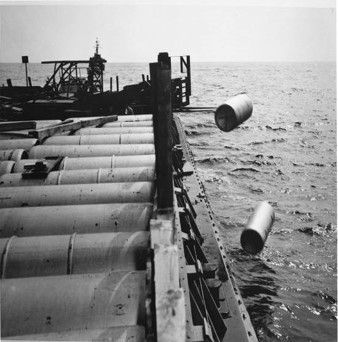
Intervention
CDC and the interagency workgroup developed tools for a recommended response kit for commercial fishermen encountering chemical munitions. The tools include the following:
- Personal protective equipment—instructions on how to use equipment to protect their skin from leaking fluids.
- Steps for removing a suspected chemical munition—directions on how to handle safely remove a munition and report the incident.
- Sign and symptoms resource card—helps identify signs and symptoms of exposure and provides information for healthcare providers treating exposed fishing workers
CDC shared the response kit with industry and with government partners, including the National Oceanic and Atmospheric Administration, U.S. Coast Guard, U.S. Food and Drug Administration, and state public and environmental health agencies that may provide help during the incidents.
Impact
Since the development of the response kit, the resource card has been the Chemical Demilitarization Program’s most popular webpage. As of June 2023, it has been viewed over 19,500 times, accounting for 28.2% of the program’s website visits. The response kit and its resources have been downloaded 385 times. The kit ensures fishermen and treatment facilities know how to
- recognize munitions
- properly handle munitions
- safely put on and remove personal protective equipment
- decontaminate surfaces
- recognize signs and symptoms of exposure