At a glance
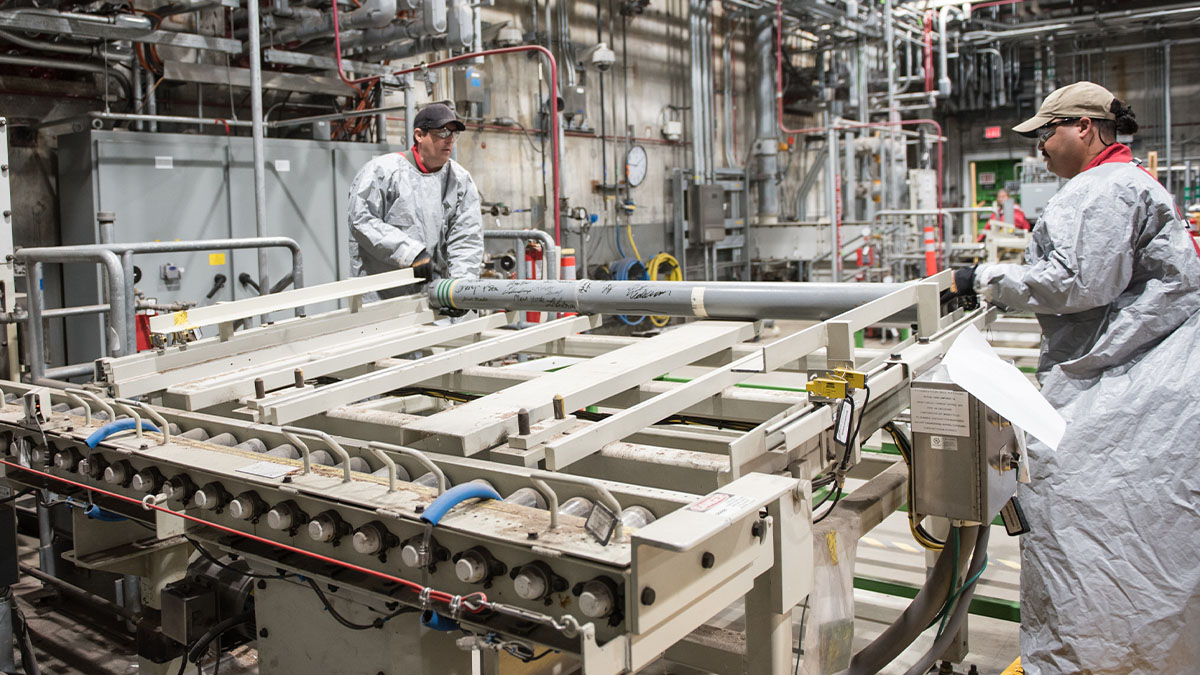
The entire U.S. nerve agent VX stockpile was destroyed in September 2022. CDC helped ensure safe destruction of over 4500 tons of nerve agent VX in the U.S. stockpile. CDC did this by reviewing facility air quality monitoring, observing demonstrations of the destruction process, and reviewing potential safety concerns.
VX Threat
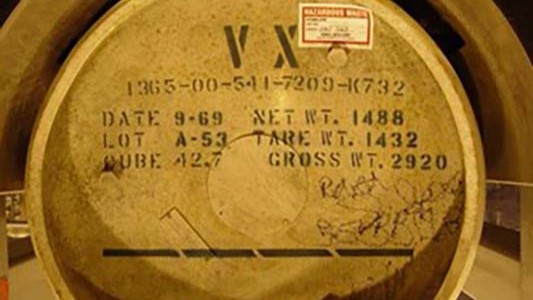
In 1997, the United States approved the Chemical Weapons Convention, an international treaty to destroy all chemical weapons. This was a major task because the United States had multiple facilities that housed about 30,500 tons of chemical weapons. Among these weapons, over 4,500 tons were VX, one of the most toxic nerve agents. VX is 600 times more toxic than chlorine and one of the deadliest chemicals in existence. Exposure to even small amounts of VX can cause serious health effects and may be fatal.
Challenges
When chemical weapons like VX are left in storage for a long time, the threat to public health increases. This is because the munitions may degrade and possibly expose members of the local community. Congress looked to HHS and CDC to make sure worker and public safety and health were protected during the destruction process. Because CDC’s Chemical Demilitarization Program had the resources, capabilities, and expertise, it led public health oversight for disposal of the chemical weapons stockpile and continues to provide oversight of disposal of recovered chemical weapons.
CDC helps ensure safe destruction of nerve agent VX stockpile
For the past 40 years, CDC has provided independent oversight to the U.S. chemical weapons destruction program. CDC helped ensure the safe destruction of chemical warfare material for protection of public health. Their responsibilities included reviewing air quality monitoring data, observing demonstrations of the destruction process, and reviewing potential safety concerns. The following list shows specific actions the program had taken to keep the public safe during the destruction of nerve agent VX:
- Partnering with agencies – Partnering with regional and state environmental protection agencies, health departments, and federal agencies, such as the Environmental Protection Agency (EPA), Federal Emergency Management Agency (FEMA), Department of Defense (DoD), and Army chemical agent destruction programs to share information on best practices
- Conducting safety reviews – Conducting on-site safety reviews of operational readiness, process safety, industrial hygiene, and medical clinics
- Developing criteria – Developing chemical agent air exposure limits with a margin of safety to protect workers and the nearby community; also preventing exposure by review of VX agent monitoring and quality assurance data, personnel protective equipment, and air handling
- Participating in other programs – Participating in the Chemical Demilitarization Citizens' Advisory Commissions (CAC) to provide health-based resources to support state and local health professionals on chemical agent-related issues and the Chemical Stockpile Emergency Preparedness Program (CSPEPP)
Impact
CDC and its partners protected public and worker health during elimination of the VX stockpile. The VX stockpile was completed on April 19, 2022, ahead of the Chemical Weapons Convention’s September 30, 2023 deadline for destroying the chemical weapons stockpile. These efforts demonstrated the United States’ commitment to destroying chemical weapons and eliminating their use.