



Key points
- CDC’s Arctic Investigations Program (AIP) has a critical role in protecting health of the people in Alaska and Arctic Regions.
- AIP identifies and responds to emerging health threats, through public health disease surveillance, laboratory research, and field investigations.
Background
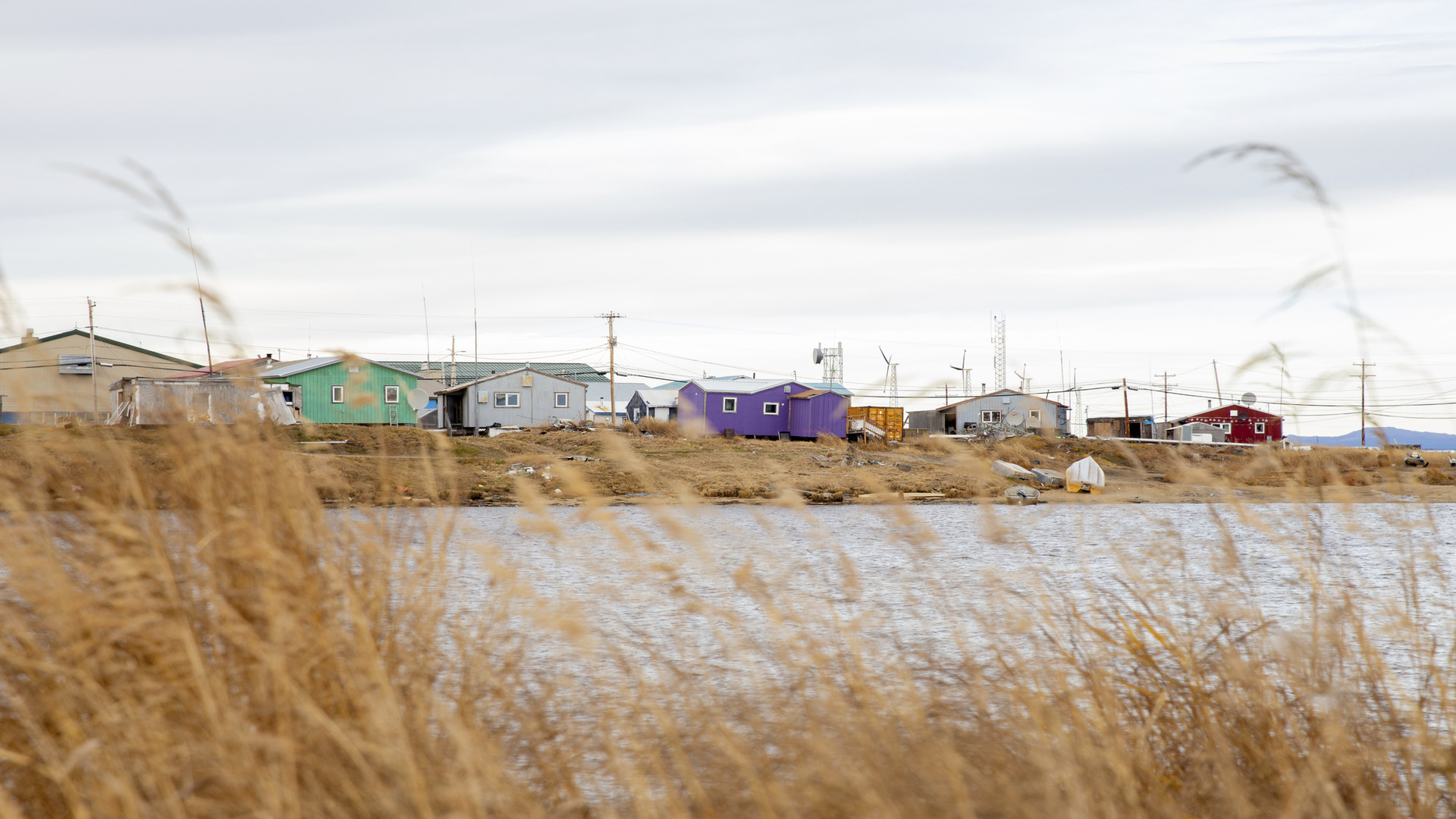
The Arctic Investigations Program (AIP) works to protect the health of Alaska Native people and other communities across Alaska by preventing and controlling infectious diseases.
Through close partnerships with Tribal health organizations, the Alaska Department of Health, and local communities, AIP conducts public health disease surveillance, laboratory research, and field investigations to identify health threats and implement effective solutions.
The stories below highlight AIP’s ongoing efforts to improve health, safeguard children, and strengthen community health across Alaska.
Investigation of Borealpox virus in animals
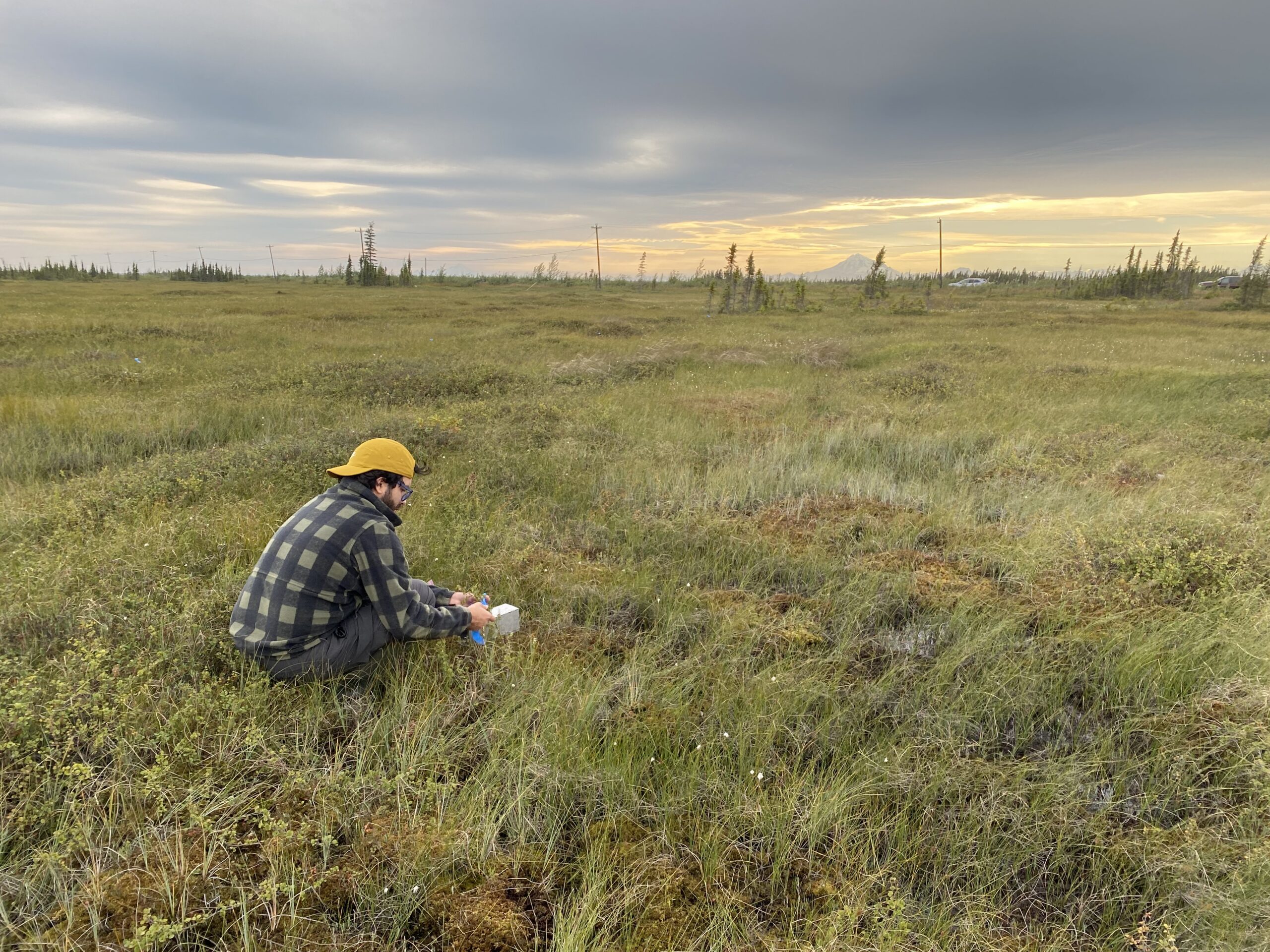
In January 2024, the first fatal human case of Borealpox virus reported from an Alaskan community that had not previously reported any cases. AIP, in collaboration with the Alaska Division of Public Health, the University of Fairbanks and CDC pox virus experts investigated potential animal reservoirs in this area. Samples from small mammals in the area were tested at the AIP laboratory. Whole genome sequencing techniques were used and found that the virus sequenced from one animal was closely related to the virus found in the human case.
Acute Rheumatic Fever in Alaska children
In 2025, healthcare providers in Alaska alerted the Alaska Department of Health that they were seeing more cases of acute rheumatic fever (ARF) and rheumatic heart disease (RHD) in children. AIP and CDC responded to a request by the State of Alaska to support a broader investigation. ARF, an immune response to group A strep, can escalate to RHD, which damages heart valves and can cause death. After reviewing data from January 2022 to February 2025, the team found higher rates of ARF and RHD among children in Alaska. Cases were predominantly among Alaska Native and Native Hawaiian/Pacific Islander communities. Findings are being shared with local clinicians and will inform changes in clinical guidance to improve early diagnosis, inform effective treatment and prevent further spread among children and families in Alaska.
Nirsevimab effectiveness against Respiratory Syncytial Virus (RSV) among Alaska Native children

American Indian and Alaska Native children have experienced high rates of RSV-associated hospitalization. Nirsevimab is a preventive medicine used to prevent RSV-associated respiratory infections. AIP found it to be 89% effective at preventing severe RSV illness hospitalization in Alaska Native infants and children under 3 who received Nirsevimab between October 2023-April 2024.
Alaska Area Specimen Bank
The AIP laboratory maintains the Alaska Area Specimen Bank, a repository of more than 700,000 samples. These samples are taken from people as part of public health programs in Alaska. This collection has proven to be a critical asset for improving the health of Alaskans.
For example, stored samples from patients with liver cancer due to hepatitis B infection were used to validate the use of a simple blood test to routinely screen patients for early cancer detection. These efforts have improved the survival of people with this form of cancer, especially those living in rural and remote areas with limited access to healthcare.
Preventing severe infections in children
Historically, Alaska Native children have been disproportionally affected by severe bacterial infections. These infections can affect the brain, lungs, and blood stream leading to meningitis, pneumonia, and bloodstream sepsis. The infections are caused by Haemophilus influenzae type B and pneumococcus bacteria. Laboratory-based surveillance by AIP showed rates of these infections among Alaska Native children to be close to the highest worldwide—up to 10 times higher than rates among non-Alaska Native children.
After the introduction of effective childhood vaccines, AIP researchers documented a more than a 95% decline in these vaccine-preventable disease cases. However, AIP surveillance also detected the emergence of bacteria that were not covered by the vaccine. In 2009, AIP researchers introduced a more effective vaccine in rural Alaska. Today, with routine use of these vaccines, infection rates are at their lowest levels ever recorded, demonstrating sustained progress in preventing serious bacterial disease.