



Key points
- CDC’s Arctic Investigations Program (AIP) protects the health of Americans living in Arctic Regions.
- AIP uses innovative laboratory testing, real-time disease tracking, and outbreak investigations to address public health threats before they spread.
- AIP works with Alaska Native partners and public health agencies to identify, prevent, and respond to infectious disease threats.
Why it matters
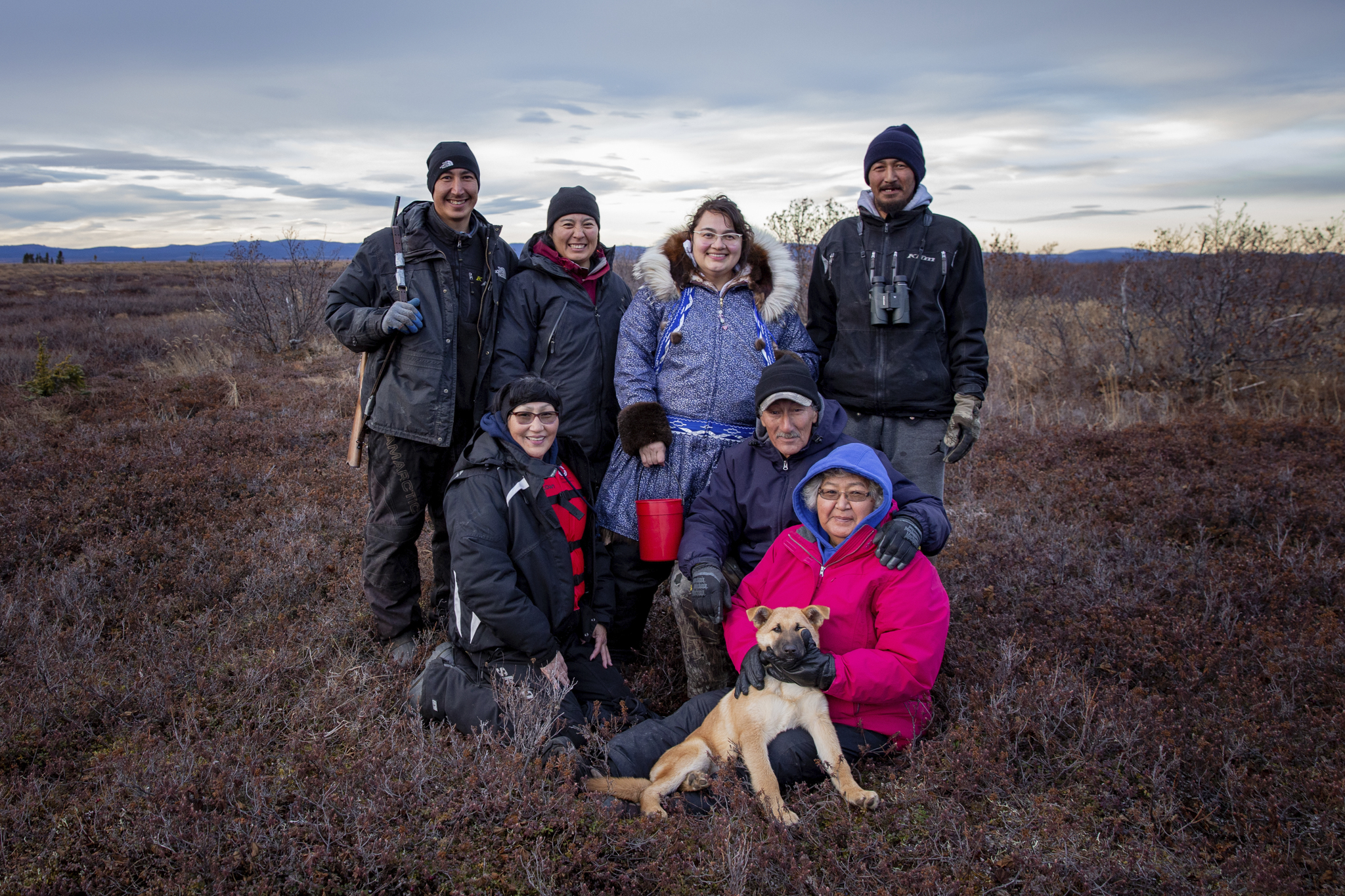
For over 50 years, CDC’s Arctic Investigations Program (AIP) has protected the health of Arctic residents by identifying, preventing, and responding to infectious disease threats. In close collaboration with Alaska Native partners and public health agencies, AIP works at the frontlines of disease surveillance and research in one of the most unique and challenging environments in the world.
Examples of AIP work that have directly improved the health of the people in Alaska:
- 90% reduction in pneumococcal disease in Alaska Native children after conjugate vaccines were introduced.
- No cases of acute hepatitis B infections in western Alaska since 1995 (region previously had the highest rate in the United States).
- 94% reduction in Haemophilus influenzae type b disease in Alaska Native children after infant vaccines were introduced and a 96% reduction in non-Native children.
Priorities
Detect and Respond to Emerging Threats
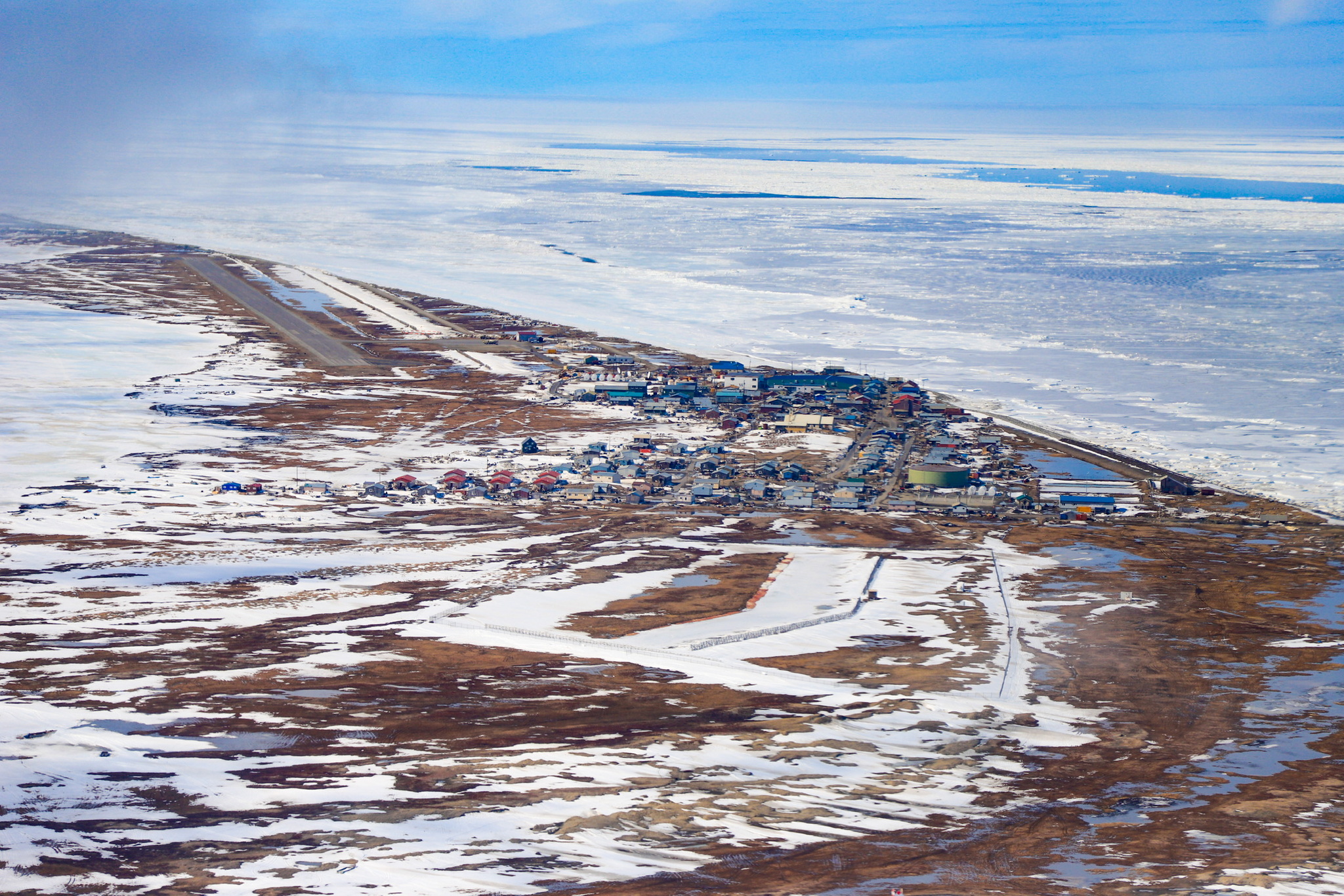
AIP monitors for severe respiratory illnesses (e.g., RSV) and invasive pathogens like Streptococcus pneumoniae.
Track Emerging Diseases

AIP conducts public health research, responds to outbreaks, and guides prevention and control efforts.
Advance Community Protection
AIP ensures vaccines and therapies for preventable diseases remain accessible and effective for Arctic communities, including remote populations.