



Key points
- Attention-deficit/hyperactivity disorder (ADHD) can often be managed with the right treatment.
- Types of treatment for ADHD include behavior therapy and medications.
- Treatment recommendations vary by age group.
- Parent training in behavior management.

What to consider after an ADHD diagnosis
When a child is diagnosed with ADHD, parents often have concerns about which treatment is right for their child. ADHD can often be managed with the right treatment. There are many treatment options, and what works best can depend on the person, their family, and their environment.
To find the best options for children, it is recommended that parents work closely with others involved in their child's life—healthcare providers, teachers, coaches, and other family members.
CDC funds the National Resource Center on ADHD (NRC), a program of Children and Adults with Attention-Deficit/Hyperactivity Disorder (CHADD). The NRC provides resources, information, and advice for parents on how to help their child.
Treatment types
Behavior Therapy
- Behavior therapy, including training for parents; and
Medications
- Stimulants
- Non-stimulants
ADHD treatment and possible side effects
CDC data on ADHD diagnosis and treatment
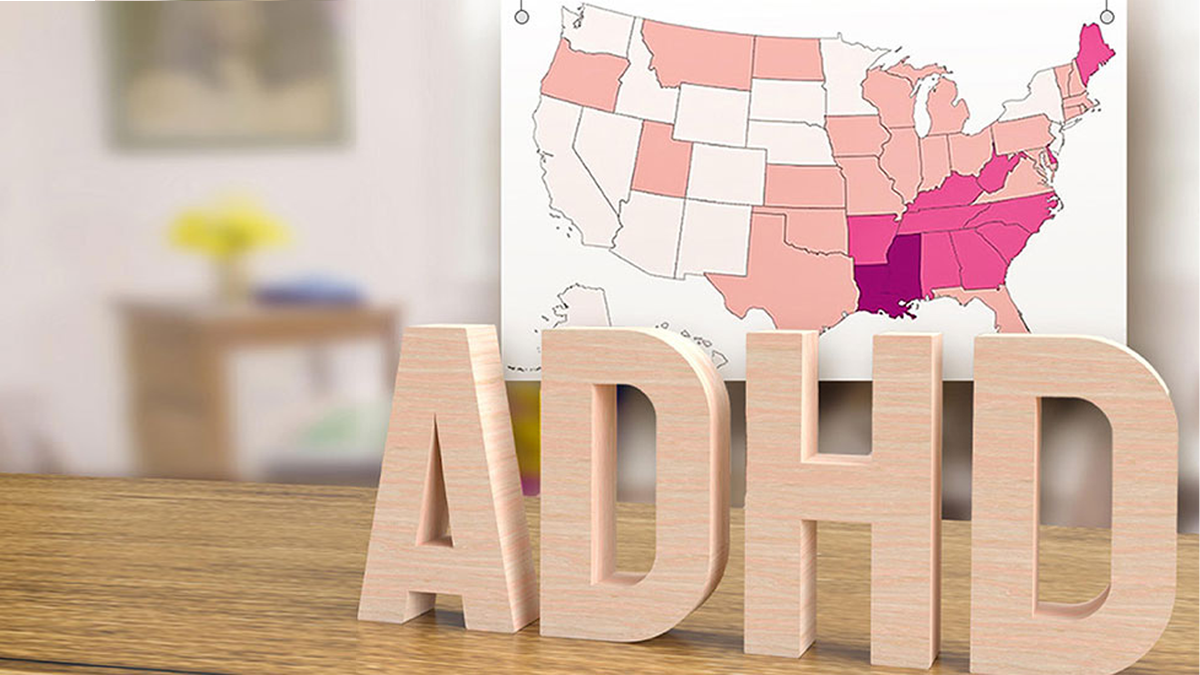
CDC tracks trends in diagnosis and medication treatment among children and adolescents with ADHD.
Treatment recommendations
By Age Group
- For children with ADHD younger than 6 years of age, the American Academy of Pediatrics (AAP) recommends parent training in behavior management as the first line of treatment, before medication is tried.
- For children 6 years of age and older, the recommendations include medication and behavior therapy together—parent training in behavior management for children up to age 12 and other types of behavior therapy and training for adolescents. Schools can be part of the treatment as well. AAP recommendations also include adding behavioral classroom intervention and school supports. Learn more about how the school environment can be part of treatment.

Children younger than 6 years of age
For young children with ADHD, behavior therapy is an important first step before trying medication because:
- Parent training in behavior management gives parents the skills and strategies to help their child.
- Parent training in behavior management has been shown to work as well as medication for ADHD in young children.
- Young children have more side effects from ADHD medications than older children.
- The long-term effects of ADHD medications on young children have not been well-studied.
Important note for children under 6 years of age
School-age children and adolescents
For children ages 6 years and older, AAP recommends combining medication treatment with behavior therapy. Several types of behavior therapies are considered effective, including:
- Parent training in behavior management;
- Behavioral interventions in the classroom;
- Peer interventions that focus on behavior; and
- Organizational skills training.
These approaches are often most effective if they are used together, depending on the needs of the individual child and the family. Parents, healthcare providers, and the school can work together on developing the right treatment plan.
Good treatment plans will include close monitoring of whether and how much the treatment helps the child's behavior, as well as making changes as needed along the way.
Medications used to treat ADHD
Medication can help children manage their ADHD symptoms in their everyday life and can help them control the behaviors that cause difficulties with family, friends, and at school.
Medications can affect children differently and can have side effects such as decreased appetite or sleep problems. One child may respond well to one medication, but not to another.
Several different types of medications are FDA-approved to treat ADHD in children as young as 6 years of age:
- Stimulants are the best-known and most widely used ADHD medications. Between 70-80% of children with ADHD have fewer ADHD symptoms when taking these fast-acting medications.
- Nonstimulants were approved for the treatment of ADHD in 2003. They do not work as quickly as stimulants, but their effect can last up to 24 hours.
Parent training in behavior management
ADHD affects not only a child’s ability to pay attention or sit still at school, but it also affects relationships with family and other children. Children with ADHD often show behaviors that can be very disruptive to others. Behavior therapy is a treatment option that can help reduce these behaviors and can help increase self-regulation skills. it is often helpful to start behavior therapy as soon as a diagnosis is made.
The goals of behavior therapy are to learn or strengthen positive behaviors and eliminate unwanted or problem behaviors. Behavior therapy for ADHD can include
These approaches can also be used together. For children who attend early childhood programs, it is usually most effective if parents and educators work together to help the child.
Behavior management tips for parents:12
Create a routine.
Manage distractions.
Limit choices.
Be clear and specific when you talk with your child.
Help your child plan.
Use goals and praise or other rewards.
Discipline effectively.
Create positive opportunities.
Provide a healthy lifestyle.
- CHADD. CHADD's Parent & Family Education. Available at: https://chadd.org/education/parents/. Accessed on December 16, 2025.
- National Institute of Mental Health. Attention-Deficit/Hyperactivity Disorder: What You Need to Know. Available at: https://www.nimh.nih.gov/health/publications/attention-deficit-hyperactivity-disorder-what-you-need-to-know. Accessed on December 16, 2025.
- Nemours® KidsHealth®. Help Your Child Get Organized. Available at: https://kidshealth.org/en/parents/child-organized.html. Accessed on July 11, 2025.
- Society of Clinical Child & Adolescent Psychology. Inattention & Hyperactivity (ADHD). Available at: https://effectivechildtherapy.org/concerns-symptoms-disorders/disorders/inattention-and-hyperactivity-adhd/. Accessed on September 16, 2025.
- CHADD. School interventions. Available at: https://chadd.org/for-parents/school-interventions/. Accessed on November 20, 2025.