



Key points
- Behavior therapy is an effective treatment for attention-deficit/hyperactivity disorder (ADHD) that can improve a child’s behavior, self-control, and self-esteem.
- Behavior therapy is most effective in young children when it is delivered by parents.
- When parents become trained in behavior therapy, they learn skills and strategies to help their child with ADHD succeed at school, at home, and in relationships.
- Talk to your child's doctor about behavior management therapy.
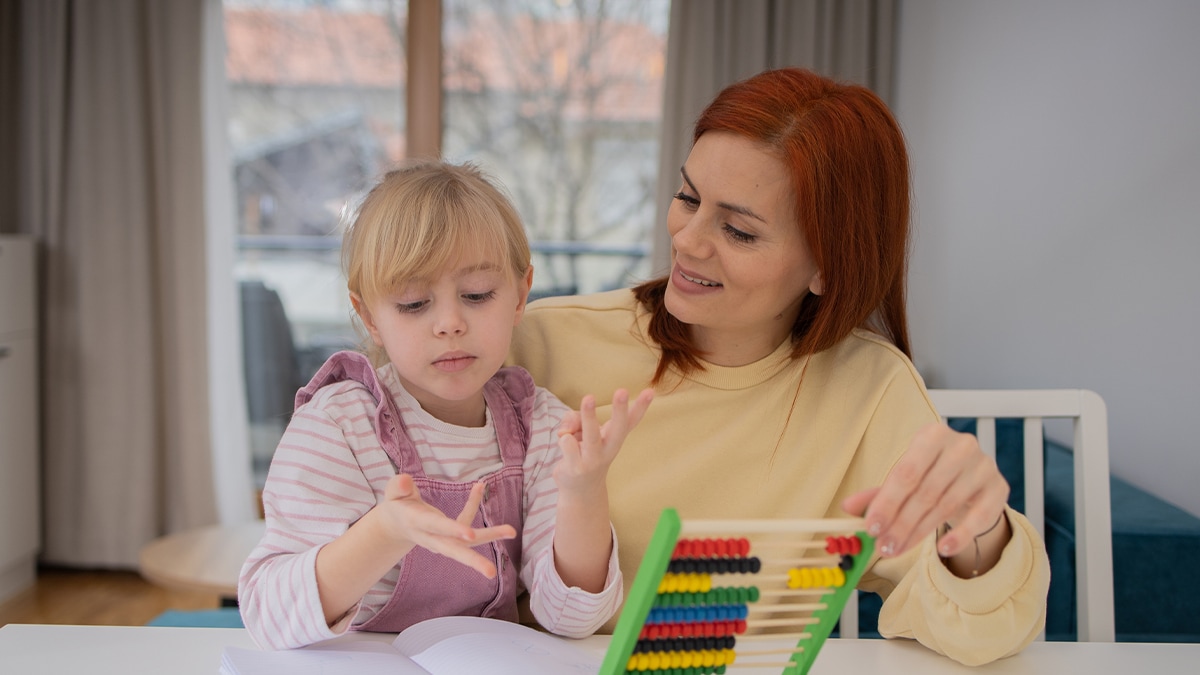
Types of therapy
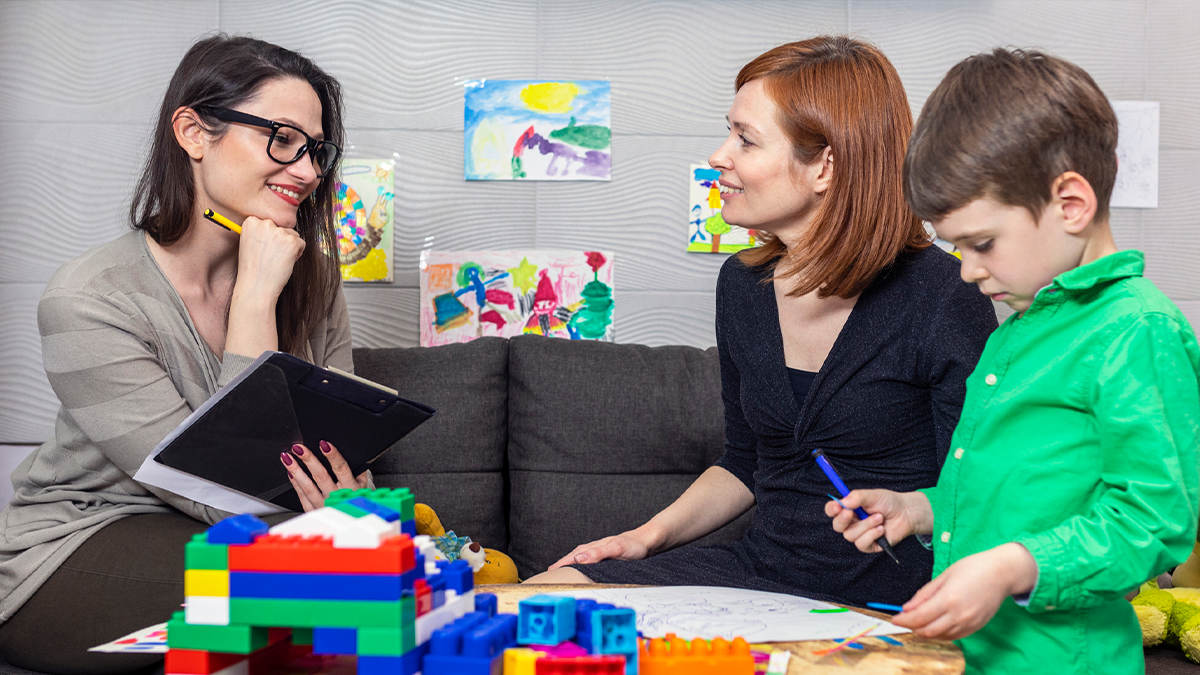
Talk with your child's healthcare provider about behavior therapy
What type of therapy is recommended?
Only therapy that focuses on training parents is recommended for young children with ADHD because young children are not mature enough to change their own behavior without their parents' help.
Some therapists may use play therapy or talk therapy to treat young children with ADHD. Play therapy provides a way for children to communicate their experiences and feelings through play. Talk therapy uses verbal communication between the child and a therapist to treat mental and emotional disorders. However, neither of these has been proven to improve symptoms in young children with ADHD.
Parent training in behavior management
Parent training in behavior management has been shown to be an effective treatment for children with ADHD and is the recommended first choice in ADHD treatment for children under 6 years of age. Parent training in behavioral management is used to help change problem behaviors by building parenting skills, improving the relationship between parents and their child with ADHD, and helping children manage their own behaviors. A therapist skilled in behavior management can help parents understand how ADHD affects their child.
Others (including childcare providers, preschool teachers, and other caregivers) can also help to manage the behavior of preschoolers who have ADHD by becoming educated about the disorder and by being trained in behavioral techniques.
What can parents expect in behavior therapy training?
![[thumbnail] (hidden)](/adhd/media/images/2025/09/356822-H_WEB_ADHD-BehaviorTherapy_Expect.png)
![[thumbnail] (hidden)](/adhd/media/images/2025/09/356822-H_WEB_ADHD-BehaviorTherapy_Learn.png)
Finding a therapist
If possible, families should look for a therapist who focuses on training parents. Some therapists will have training or certification in a parent training program that has been proven to work in young children with ADHD. Therapists may also use strategies like those in proven programs.
What to look for in a therapist

Questions to consider when looking for a therapist:
Does the therapist...
- Teach parents skills and strategies that use positive reinforcement, structure, and consistent discipline to manage their child's behavior?
- Teach parents positive ways to interact and communicate with their child?
- Assign activities for parents to practice with their child?
- Meet regularly with the family to monitor progress and provide coaching and support?
- Re-evaluate treatment plans and remain flexible enough to adjust strategies as needed?

- Wolraich ML, Hagan JF Jr, Allan C, et al. Clinical Practice Guideline for the Diagnosis, Evaluation, and Treatment of Attention-Deficit/Hyperactivity Disorder in Children and Adolescents. Pediatrics. 2019;144(4):e20192528.
- The National Academies of Sciences, Engineering, and Medicine (NASEM). Tools for supporting emotional wellbeing in children and youth. Available at: https://nap.nationalacademies.org/resource/other/dbasse/wellbeing-tools/interactive/. Accessed on December 2, 2025.
- Children and Adults with ADHD (CHADD). Parenting a Child with ADHD. Available at: https://chadd.org/for-parents/overview/. Accessed on December 11, 2025.
- American Academy of Pediatrics (AAP). Patient Care: ADHD. Available at: https://www.aap.org/en/patient-care/attention-deficit-hyperactivity-disorder-adhd/. Accessed on December 11, 2025.