



Key points
- In the United States, ticks can spread bacteria, viruses, and parasites (pathogens) that cause human diseases.
- Many tickborne diseases can have similar signs and symptoms.
- Ticks transmit pathogens that cause disease through the process of feeding.
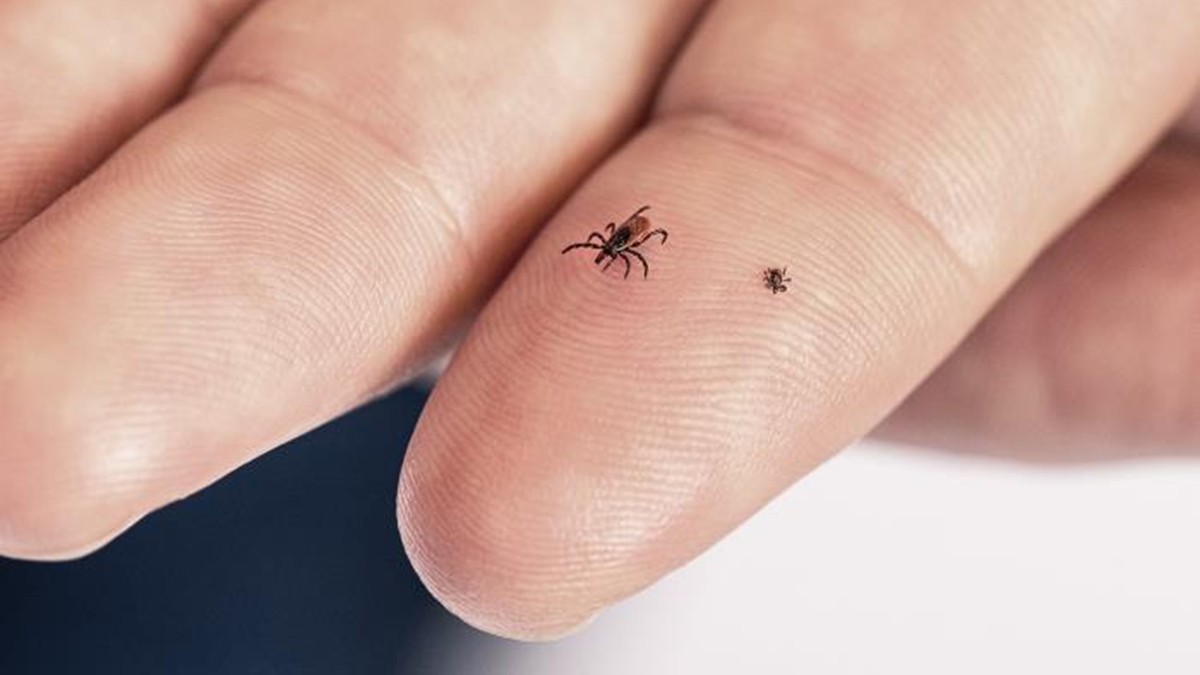
Diseases transmitted by ticks
In the United States, some ticks carry pathogens that can cause human disease, including:
Symptoms
Many tickborne diseases can have similar signs and symptoms. If you get a tick bite and develop the symptoms below within a few weeks, see your healthcare provider.
The most common symptoms of tick-related illnesses include:
- Fever/chills. All tickborne diseases can cause fever.
- Aches and pains. Tickborne diseases can cause headache, fatigue, and muscle aches. People with Lyme disease may also have joint pain.
- Rash. Lyme disease, Southern tick-associated rash illness (STARI), Rocky Mountain spotted fever (RMSF), ehrlichiosis, and tularemia can cause distinctive rashes.
Your healthcare provider should evaluate the following before deciding on a plan for treatment:
- Your symptoms,
- the geographic region where you were bitten, and
- lab tests, depending on the symptoms and the geographic region where you were bitten.
How it spreads
How ticks find their hosts
Ticks find their hosts by detecting animals´ breath and body odors, or by sensing body heat, moisture, and vibrations. Some species can even recognize a shadow. In addition, ticks pick a place to wait by identifying well-used paths. Then they wait for a host, resting on the tips of grasses and shrubs. Ticks can't fly or jump, but many tick species wait in a position known as "questing".
While questing, ticks hold onto leaves and grass by their third and fourth pair of legs. They hold the first pair of legs outstretched, waiting to climb on to the host. When a host brushes the spot where a tick is waiting, it quickly climbs aboard. Some ticks will attach quickly and others will wander, looking for places like the ear, or other areas where the skin is thinner.
How ticks spread disease
Ticks transmit pathogens that cause disease through the process of feeding.
- Depending on the tick species and its stage of life, preparing to feed can take from 10 minutes to 2 hours. When the tick finds a feeding spot, it grasps the skin and cuts into the surface.
- The tick then inserts its feeding tube. Many species also secrete a cement-like substance that keeps them firmly attached during the meal. The feeding tube can have barbs which help keep the tick in place.
- Ticks also can secrete small amounts of saliva with anesthetic properties so that the animal or person can't feel that the tick has attached itself. If the tick is in a sheltered spot, it can go unnoticed.
- Ticks suck blood anywhere from minutes to days, depending on the tick species. If the host animal has a bloodborne infection, the tick will ingest the pathogens with the blood.
- Small amounts of saliva from the tick may also enter the skin of the host animal during the feeding process. If the tick contains a pathogen, the organism may be transmitted to the host animal in this way.
- After feeding, most ticks will drop off and prepare for the next life stage. At its next feeding, it can then transmit an acquired disease to the new host.