Prevention Research to Promote and Protect Brain Health
Principal Investigator
James N. Laditka
jladitka@gwm.sc.edu
Project Identifier
Prevention Research to Promote and Protect Brain Health—SIP 08-06
Status: Active
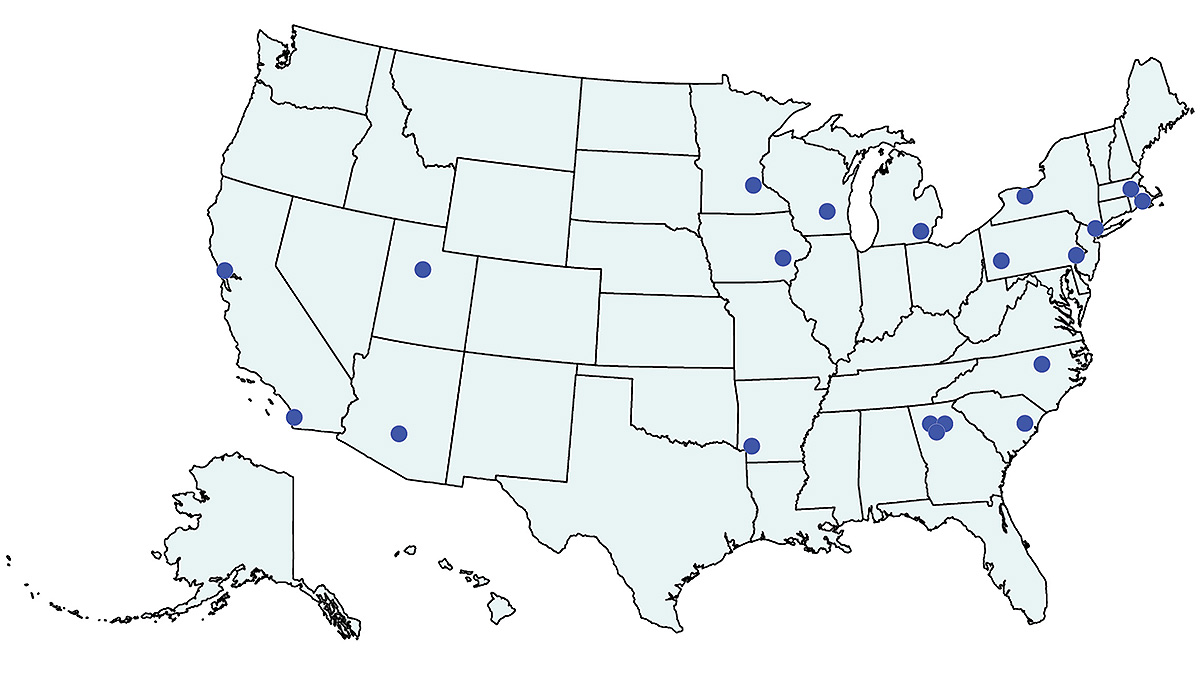
University of Washington at Seattle: Health Promotion Research Center (coordinating center)
Texas A&M Health Science Center: Center for Community Health Development
University of Colorado: Rocky Mountain Prevention Research Center
University of California at Berkeley: Center for Family and Community Health
University of Illinois at Chicago: Illinois Prevention Research Center
University of North Carolina at Chapel Hill: Center for Health Promotion and Disease Prevention
University of Pittsburgh: Center for Healthy Aging (contracted by University of Washington)
University of South Carolina: Prevention Research Center
West Virginia University: Centers for Public Health Research and Training
Topics:
Aging & Elderly Health | Mental Health
According to a recent national survey, more than twice as many adults fear losing their mental capacity than their physical ability. Recent advances in scientific research on cognitive health hold great promise for improving the quality of life among older adults. The following factors have been associated with reducing the risk of cognitive decline: 1) preventing high blood pressure, cholesterol, diabetes, overweight, and obesity; 2) smoking prevention or cessation; and 3) being physically active.
The Prevention Research Centers’ Healthy Aging Network is collaborating with CDC, NIH, the Alzheimer’s Association, and other partners to take action on recommendations that will appear in the National Public Health Roadmap to Maintaining Cognitive Health to be released in June 2007. The Roadmap will identify next steps toward moving the field of cognitive health into public health practice. The Prevention Research Centers’ Healthy Aging Network will address one of the Roadmap’s priority recommendations: to determine how diverse audiences think about cognitive health and its associations with lifestyle factors. The aim is to increase awareness about maintaining cognitive health among the public and health care providers. The long-term goal is to motivate people to adopt behaviors that maintain cognitive health.
Researchers at the nine universities that make up the Healthy Aging Network are assessing the diverse ways that groups of older adults and health care providers understand brain health. Focus group audiences will include health care providers, caregivers, African Americans, and Hispanic Americans and will help researchers develop questions to measure trends in perceptions about cognitive health. This project is critical to informing health care providers and the public about cognitive health and to track the public’s perceptions of aging, brain health, and burdens associated with cognitive decline.
Get email updates
To receive email updates about this site, enter your email address:
Contact Us:
- Prevention Research Centers
4770 Buford Hwy, NE
MS K-45
Atlanta, GA 30341-3717 - cdcinfo@cdc.gov