



Key points
- Brucellosis is a disease caused by bacteria.
- The disease spreads to people through contact with infected animals or contaminated animal products.
- People in certain jobs or settings that work with animals or animal products may face increased exposure to the bacteria that cause brucellosis.
- Brucellosis can be treated with antibiotics.
Overview
Brucellosis is an infectious disease caused by a family of bacteria called Brucella.
You can get the disease when you come in contact with infected animals or animal products contaminated with the bacteria. Animals that most commonly get brucellosis include cattle, sheep, goats, pigs, dogs, bison, elk, caribou, moose, and wild hogs, among others. People can get brucellosis by:
- Eating undercooked meat such as sheep, cow, goat, or camel.
- Eating undercooked game meat such as bison, elk, caribou, moose, and wild hog.
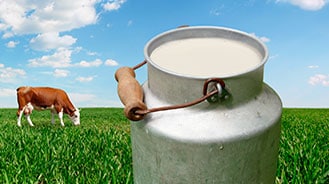
- Consuming unpasteurized (raw) milk or other dairy products made from contaminated milk.
- Breathing in the bacteria that cause brucellosis.
- Getting body fluids from infected animals in the eyes, nose, or mouth.
- Preparing meat or hides from infected animals after hunting.
- Getting certain animal vaccines in the eyes, nose or mouth or accidentally injecting yourself when vaccinating animals.
- Working in a lab with brucellosis samples.
People with certain jobs or hobbies may face increased exposure to the bacteria that cause brucellosis, including:
- Slaughterhouse workers
- Hunters
- Veterinarians and veterinary staff
- Animal breeders or animal shelter staff
- Laboratory workers
It is extremely rare for brucellosis to spread between people.
Signs and symptoms
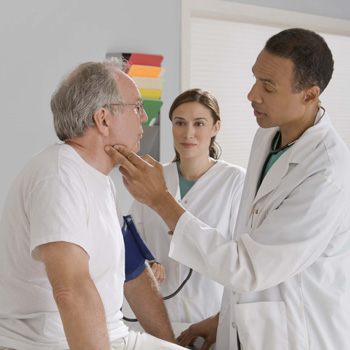
If you think you've been exposed to brucellosis, contact your health care provider.
Brucellosis can cause a range of signs and symptoms in people, and some can occur for a long time before it's diagnosed. The first symptoms can include:
- Fever
- Feeling more tired than usual (fatigue)
- Sweating
- Headache
- Pain in muscles, joint, and/or back
- Not wanting to eat (anorexia)
- Generally feeling badly (malaise)
Other symptoms may continue or may come and go until you've had treatment, including:
- Fevers
- Arthritis
- Swelling of the testicles and scrotum area
- Infection of the heart (endocarditis)
- Memory loss, confusion, and irritability
- Depression
- Swelling of the liver and/or spleen
Prevention
Eating or drinking infected animal products
The best way to prevent brucellosis infection is to be sure you don't eat or drink:
- Undercooked meat
- Unpasteurized (raw) dairy products, including milk, cheese, and ice cream
Pasteurization is the heating process used to destroy harmful bacteria that may make milk and milk products unsafe to drink or eat.
If you are not sure whether a dairy product is pasteurized, don't eat or drink it.
Hunters and those who work with animals
People who work with animal tissues and body fluids, including animal caretakers (veterinarians, vet techs, shelter staff, etc.), hunters, butchers, and animal herdsman, are at higher risk of brucellosis infection. If you work with animal tissues, protect yourself by wearing:
- Rubber gloves
- Goggles
- Gowns or aprons
- Masks or respirators
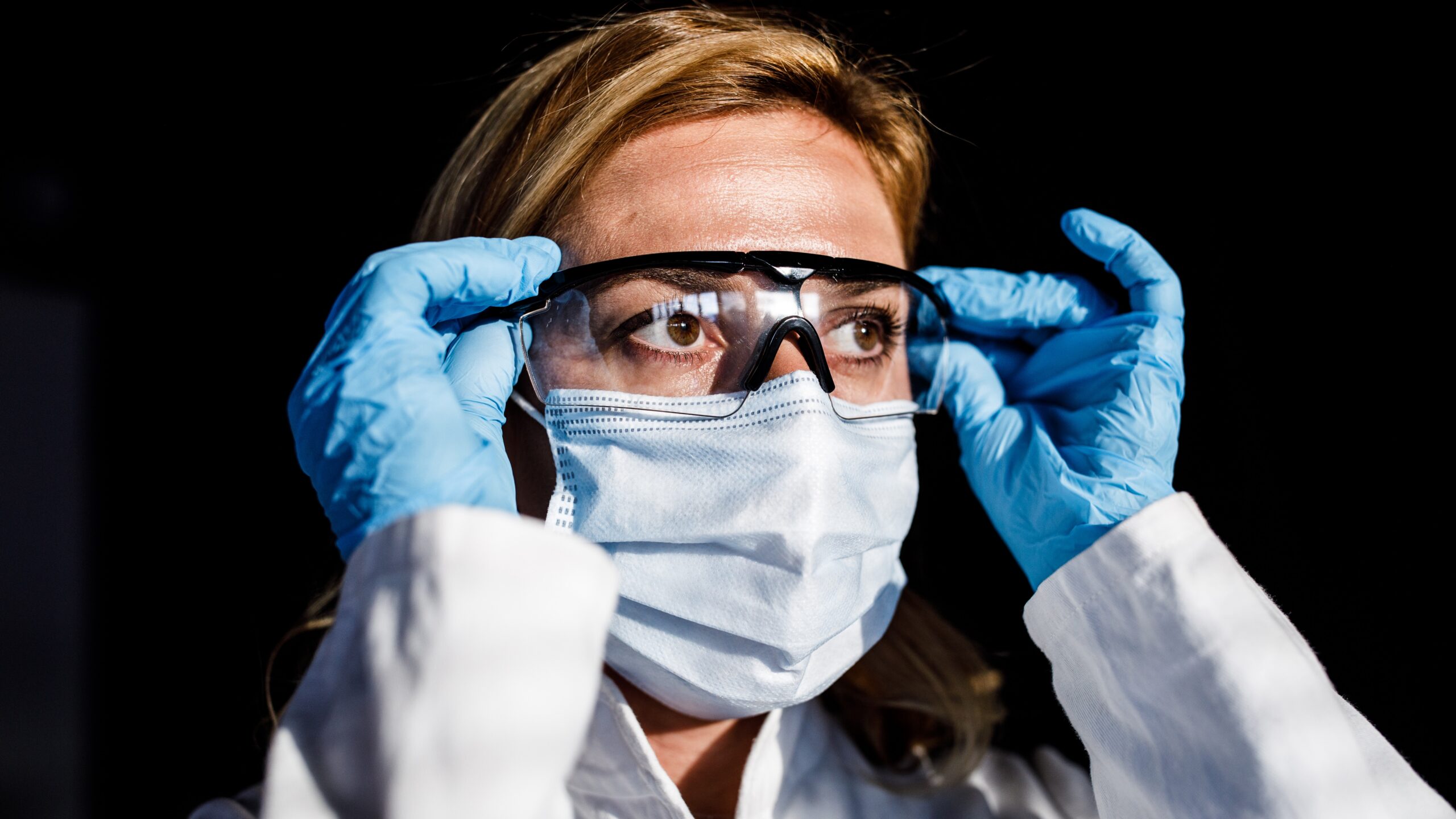
If the animal is infected, this protective clothing will help keep the bacteria that causes brucellosis from getting into your eyes or into a cut or wound on your skin.
Laboratory personnel
Brucellosis is the most commonly reported laboratory-associated bacterial infection. If you work in a lab, take precautions when handling samples to prevent infection. If you are exposed, determine your risk and follow recommendations for symptom monitoring and possible serological monitoring and post-exposure prophylaxis.
Treatment and recovery
Once your healthcare provider has confirmed that you have brucellosis from test results, you can begin treatment with antibiotics.
Your doctor will decide which antibiotics you'll get. You will need to take them for a minimum of 6-8 weeks. To be sure you get the right medicines for you, let your healthcare providers know if you are:
- Pregnant
- Allergic to doxycycline or rifampin
- Have a weakened immune system from medical conditions or other medicines
Brucella RB51 treatment
It's important that you take all your medicines when being treated for brucellosis. If you're not properly treated, the infection can become chronic and lead to long-term disease associated with arthritis, endocarditis, chronic fatigue, depression, and swelling of the liver or spleen.
Depending on the timing of treatment and how sick you are, recovery may take a few weeks to several months. Death from brucellosis is rare and happens in fewer than 2% of people infected.
- Human Exposure to Brucella abortus Strain RB51—Kansas, 1997. MMWR March 13, 1998; 47(9):172-175.
- Case Definitions for Infectious Conditions Under Public Health Surveillance. MMWR May 2, 1997; 46(RR10):1-55.
- Laboratory Exposures to Brucellae and Implications for Bioterrorism. EID Volume 11, Number 8-August 2005.
- Brucella suis Infection Associated with Feral Swine Hunting—Three States, 2007–2008. MMWR 2009; 58(22):618-621.
- Notes from the Field: Human Brucella abortus RB51 Infections Caused by Consumption of Unpasteurized Domestic Dairy Products — United States, 2017–2019 | MMWR (cdc.gov)
- Notes from the Field: Brucella abortus Vaccine Strain RB51 Infection and Exposures Associated with Raw Milk Consumption — Wise County, Texas, 2017 | MMWR (cdc.gov)
- Notes from the Field: Brucella abortus RB51 Infections Associated with Consumption of Raw Milk from Pennsylvania — 2017 and 2018 - PMC (nih.gov)