Complications of Colonoscopy Performed on Asymptomatic Patients
Principal Investigator
Cynthia Wun-ping Ko
cwko@u.washington.edu
Project Identifier
Complications of Colonoscopy Performed on Asymptomatic Patients—SIP 9–01
Status: Not Active
University of Washington: Health Promotion Research Center
Topics:
Cancer
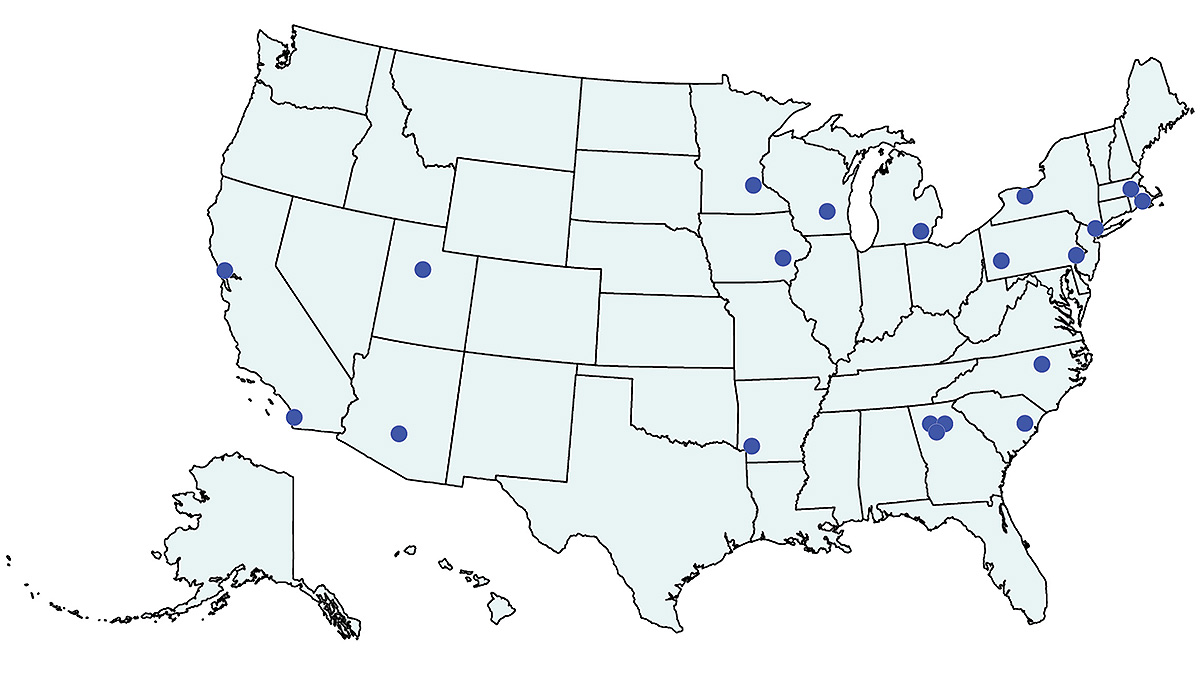
Colonoscopy is a recommended screening procedure for colorectal cancer—the second leading cause of cancer death in the United States—but risks from the procedure have not been well documented. Researchers are conducting studies at two sites to determine the extent of the procedure’s complications, such as perforation, bleeding, and infection. Telephone surveys are being used to gather information from people at about 7 and 30 days after undergoing colonoscopy to screen for colorectal cancer. Participants’ symptoms, unplanned hospitalizations, and unplanned visits to a physician or emergency room will be analyzed to determine the type and frequency of complications. Participants’ and providers’ characteristics as well as procedure protocols are also being examined to determine risk factors. One study among 18,250 people is being conducted in collaboration with the Clinical Outcomes Research Initiative (CORI), a network of gastroenterology practitioners who collaborate in research studies and submit patients’ records to a nationwide database. Center researchers are conducting a similar study among 500 people who had colonoscopy screening at the University of Washington Medical Center.
Get email updates
To receive email updates about this site, enter your email address:
Contact Us:
- Prevention Research Centers
4770 Buford Hwy, NE
MS K-45
Atlanta, GA 30341-3717 - cdcinfo@cdc.gov