



At a glance
- Recess encourages students to be physically active with their peers.
- Recess benefits a student's mental, emotional, and physical well-being.
- National guidance offers strategies and resources to improve recess.

Overview
Recess is a regularly scheduled period in the school day for physical activity and play, monitored by trained staff or volunteers. During recess, students are encouraged to be physically active and engaged with their peers in activities of their choice. This applies to all grade levels, K–12.
Recess benefits students by:
- Increasing their level of physical activity.
- Improving their memory, attention, and concentration.
- Helping them stay on-task in the classroom.
- Reducing disruptive behavior in the classroom.
- Improving their social and emotional development (for instance, learning how to share and negotiate).
What CDC is doing
Recess strategies
CDC and SHAPE America developed the following documents:
- Strategies for Recess in Schools—Evidence-based strategies for planning and providing recess in schools. The goal is to increase physical activity participation and improve academic achievement (performance, behavior, attention).
- Recess Planning in Schools: A Guide to Putting Strategies for Recess into Practice—Helps schools put the Strategies for Recess in Schools into practice by developing a written school recess plan.
- Recess Planning Template—Provides a customizable template for schools to use when developing their school recess plan.
Example from the Field
Enhancing recess environments
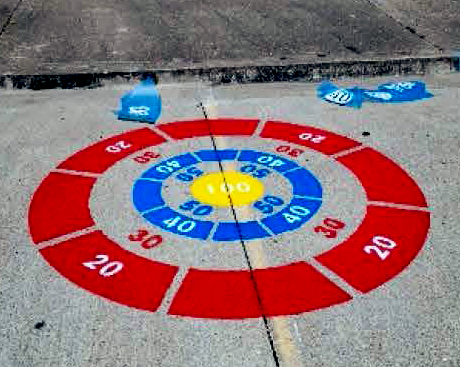
During the 2020–2021 school year, four local education agencies (LEAs) and one pilot school in Oklahoma implemented Painted Play Spaces on their campuses, reaching a total of 2,469 students. These efforts can enhance the play environments at schools by using colorful paint and stencils to create recess games.
Resources
- CDC | Ideas for Parents: Recess
- CDC and SHAPE America | Strategies for Recess in Schools
- CDC and SHAPE America | Recess Planning in Schools: A Guide to Putting Strategies for Recess into Practice
- CDC and SHAPE America | Recess Planning Template
- Oklahoma Education | Painted Play Spaces Assessment and Planning Toolkit
- Peaceful Playgrounds | 64 Alternatives to Withholding Recess
- Playworks | Game Guide
- Playworks | Recess Lab
This page was last updated on this date. Updates may include minor edits, image changes, or other modifications to page content.
The information on this page was last reviewed by subject matter experts to ensure accuracy.
- Cornett K, Murfay K, Fulton JE. Physical activity interventions during the school day: reviewing policies, practices, and benefits. J Sch Health. 2023; 93: 778–787.
- Michael SL, Merlo C, Basch CE, Wentzel KR, Wechsler H. Critical connections: health and academics. J School Health. 2015;85(11):740–758.
- Fortson J, James-Burdumy S, Bleeker M, et al. Impact and Implementation Findings from an Experimental Evaluation of Playworks: Effects on School Climate, Academic Learning, Student Social Skills and Behavior. Mathematica Policy Research; 2013.
- Hawkins GT, Chung CS, Hertz MF, Antolin N. The school environment and physical and social-emotional well-being: implications for students and school employees. J Sch Health. 2023; 93: 799–812.