



About
CDC highlights the importance of protecting children from sepsis, guiding parents and caregivers on recognizing early signs, preventing infection, and seeking prompt treatment to reduce severe illness and improve child health outcomes
Get ahead of sepsis

For the last seven years, Get Ahead of Sepsis has encouraged patients, their loved ones, and healthcare professionals to know the risks, spot the signs and symptoms, and act fast if they suspect sepsis during Sepsis Awareness Month and year-round.
Anyone can get an infection, and almost any infection can lead to sepsis. Some people are at higher risk, including children younger than one. Most sepsis cases in children and young adults start before they go to the hospital. Most minor injuries and illnesses—such as cuts, scrapes, and colds—get better on their own. However, sometimes cuts and scrapes get infected, and some mild illnesses can become more serious. CDC is focusing on new resources for people who work or volunteer where children may have accidents or injuries or have extended time with children when they could see an infection progress to sepsis. On World Sepsis Day and always, we are thinking of those affected by or who died from sepsis, including the following children, Rory Staunton, Clover Harrold, Nile Moss, Emily Aiello, Gabby Galbo, Angelica Hale, and many others. By spreading the word about sepsis, we hope we can prevent other children from dying and prevent other families from experiencing the heartbreak these families – and too many other families – now live with every day.
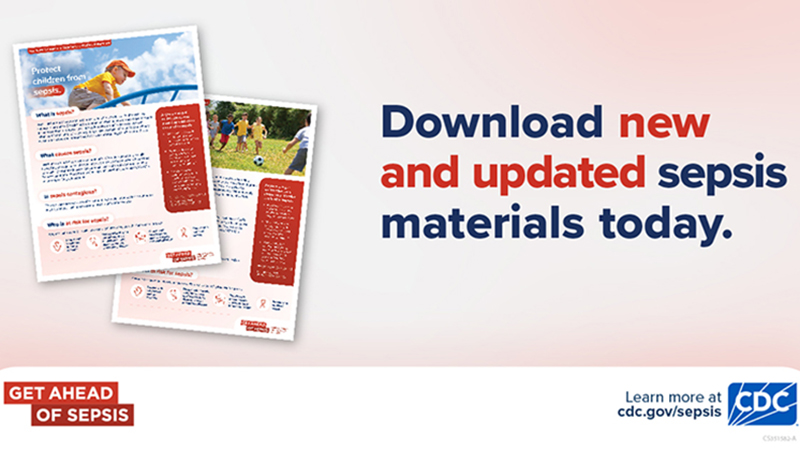
This year, CDC has expanded its suite of educational materials with new offerings for parents, caregivers of children, youth organizations, and schools through two new toolkits for parents and caregivers of children and youth coaches, counselors, and other volunteers. These resources include introduction letters, fact sheets, posters, drop-in articles, a palm card, and sharable graphics for social media. They provide lifesaving information on what sepsis is, the signs and symptoms, and how to act fast, so you can help kids before their infection gets worse. Infections that lead to sepsis most often start in the lung, urinary tract, skin, or gastrointestinal tract. Without timely treatment, sepsis can rapidly lead to tissue damage, organ failure, and death. With fast recognition and treatment, most people survive. Treatment requires urgent medical care and includes careful monitoring of vital signs and often antibiotics, and usually admission to an intensive care unit in a hospital.