



What to know
- CDC's National Center for Environmental Health (NCEH) conducted a study in Florida to assess the health effects of exposure to cyanotoxins in the air.
Purpose
From 2021–2023, the National Center for Environmental Health (NCEH) conducted a research study called the Cyanotoxins in Air STudy (CAST). This study assessed the health effects of cyanotoxins among people who live or work on:
- Lake Okeechobee
- St. Lucie River
- Caloosahatchee River
- Cape Coral Canals
What we studied
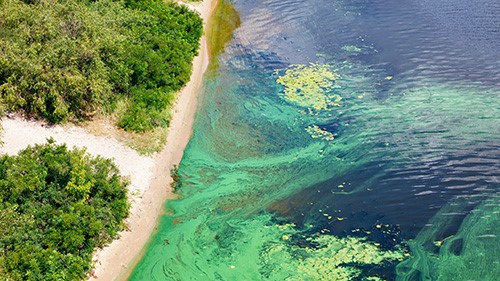
You may have heard about cyanobacteria, also called blue-green algae. These microorganisms grow in water. Some types of cyanobacteria make toxins that can make people sick. CDC researched whether these toxins can get into our bodies through the air we breathe.
Results from the study are forthcoming.
Contacts
For general information about harmful algal and cyanobacterial blooms, please contact CDC-INFO:
- Phone: 800-CDC-INFO (800-232-4636)
- Teletypewriter (TTY): 888-232-6348
This page was last updated on this date. Updates may include minor edits, image changes, or other modifications to page content.
The information on this page was last reviewed by subject matter experts to ensure accuracy.