



Key points
- In general, only people with weakened immune systems get mucormycosis.
- Most infections are caused by breathing in mucormycetes, a common group of molds.
- People can also be exposed to these molds through wounds, cuts, or burns.
- Mucormycosis cannot spread between people.

Where mucormycosis comes from
Mucormycosis is caused by spores from mucormycetes, a common mold in the environment. People who have certain medical conditions or are taking medications that weaken their immune system are at risk for mucormycosis.
Most people come in contact with mucormycetes every day and do not get sick.
How people can get infected
People can get mucormycosis through different ways, and each causes a different type of illness. The most common way people can get infected is by breathing in the spores from the air. This causes lung or sinus infections.
Mucomycetes spores can also enter the skin through a scrape, burn, or wound and cause skin infections. Much less common, people can get gastrointestinal infections by eating or drinking something contaminated with the fungus.
How it spreads
Mucormycosis only spreads through direct contact with the fungal spores in the air or environment. It cannot spread from person to person or between people and animals.
Most of the time just one person is infected from a specific cause or source. Very rarely, there have been outbreaks of mucormycosis in healthcare settings or following a natural disaster.
Outbreaks in healthcare facilities
Outbreaks of invasive mold infections have occurred in healthcare facilities. Mold can be found in both indoor and outdoor environments. Some patients receiving medical care have weakened immune systems, which can put them at greater risk of infection. Healthcare outbreaks have been linked to air filtration systems, water leaks, and damp hospital linens.
Risk factors
Mucormycosis tends to affect people who are already sick or who are taking certain medications.
The following medical conditions increase the risk for mucormycosis:
- Diabetes, especially with buildup of acid in blood.
- Cancer
- Neutropenia (low number of white blood cells)
- Too much iron in the body (iron overload or hemochromatosis)
- Severe COVID-19
- Prematurity and low birthweight
Some situations and conditions that increase risk include:
- Organ transplant
- Stem cell transplant
- Skin injury due to surgery, burns, or wounds,
Medications and drugs can increase risk, especially:
- Long-term corticosteroid use
- Injection drug use
Read more about mucormycosis and other fungal diseases and COVID-19.
Prevention
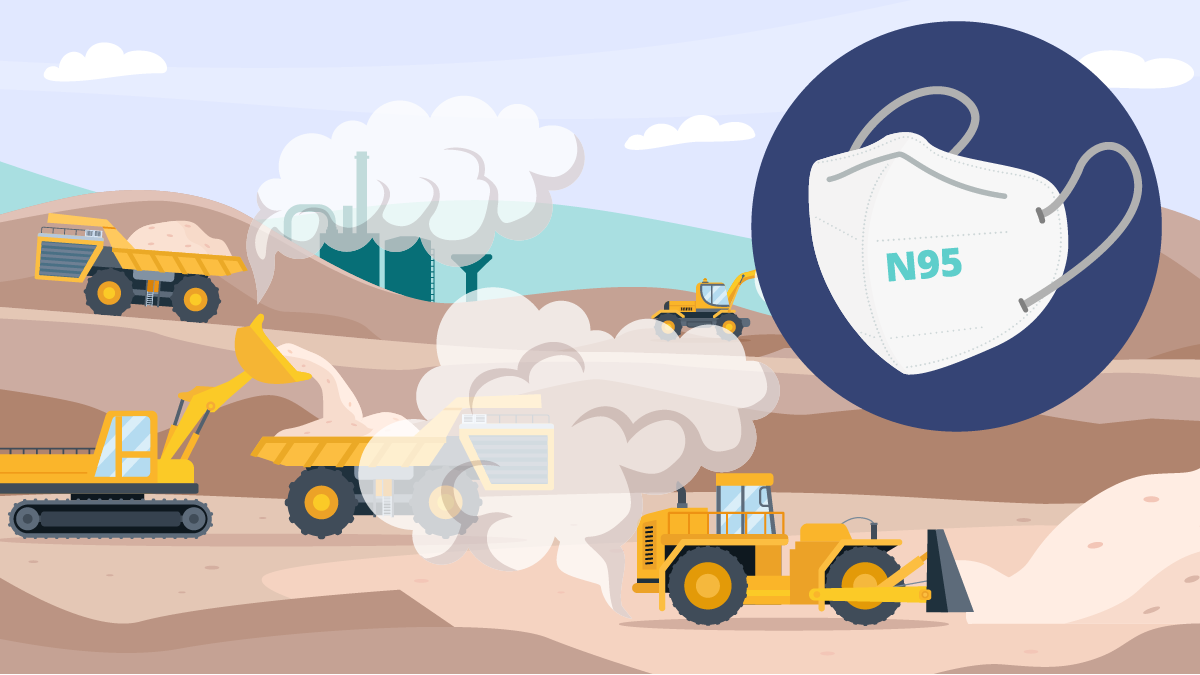
Most people come in contact with the microscopic fungal spores that can cause mucormycosis every day. It may not be possible to completely avoid coming in contact with mucormycetes.
While there are no proven ways to prevent mucormycosis, there are some steps that people who are at high risk of infections can take to help protect themselves.
Areas to avoid
Avoid areas that increase your exposure to soil, dust and dirt, such as:
- Construction or excavation sites.
- If unable to avoid, wear an N95 respirator mask.
- Areas, buildings, or rooms affected by floods or leaks.
Activities to avoid
Avoid activities that involve close contact to soil, dust, or dirt, including:
- Yardwork and gardening.
- Handling, shoveling, or spreading soil, moss, or manure.
Prevent skin infections
Protect your skin by:
- Wear long sleeves and pants when in the woods.
- Clean skin injuries well with soap and water.
Prevention with antifungal medication
Healthcare providers may prescribe antifungal medications for some patients to prevent mucormycosis. Some patients who may receive antifungals for prevention include those who recently had an organ transplant or a stem cell transplant.
This page was last updated on this date. Updates may include minor edits, image changes, or other modifications to page content.
The information on this page was last reviewed by subject matter experts to ensure accuracy.