



At a glance
CDC conducts epidemiologic studies to better understand the relationship between human health and emerging environmental hazards. Areas of research include harmful algal and cyanobacterial blooms (HABs) and per- and polyfluoroalkyl substances (PFAS).
Background
Environmental epidemiologists at CDC develop innovative approaches to collect and analyze exposure and health data. The data helps them better understand the relationship between human health and emerging environmental exposures. Information gathered from their studies supports the development of environmental public health guidance, resources, and tools for environmental public health practitioners.
Key research areas include:
Additionally, surveillance of poison center data can identify emerging hazards for future research activities.
Examples of current research activities are listed below. For information on the results of past research activities, visit the environmental health studies publications webpage.
Harmful algal and cyanobacterial blooms
Cyanotoxins in Air Study (CAST)
CDC conducted a study in South Florida to assess the health effects of exposure to cyanotoxins in the air. CAST evaluated exposures to cyanotoxins among people who live or work near:
- Lake Okeechobee
- St. Lucie River
- Caloosahatchee River
- Cape Coral Canals
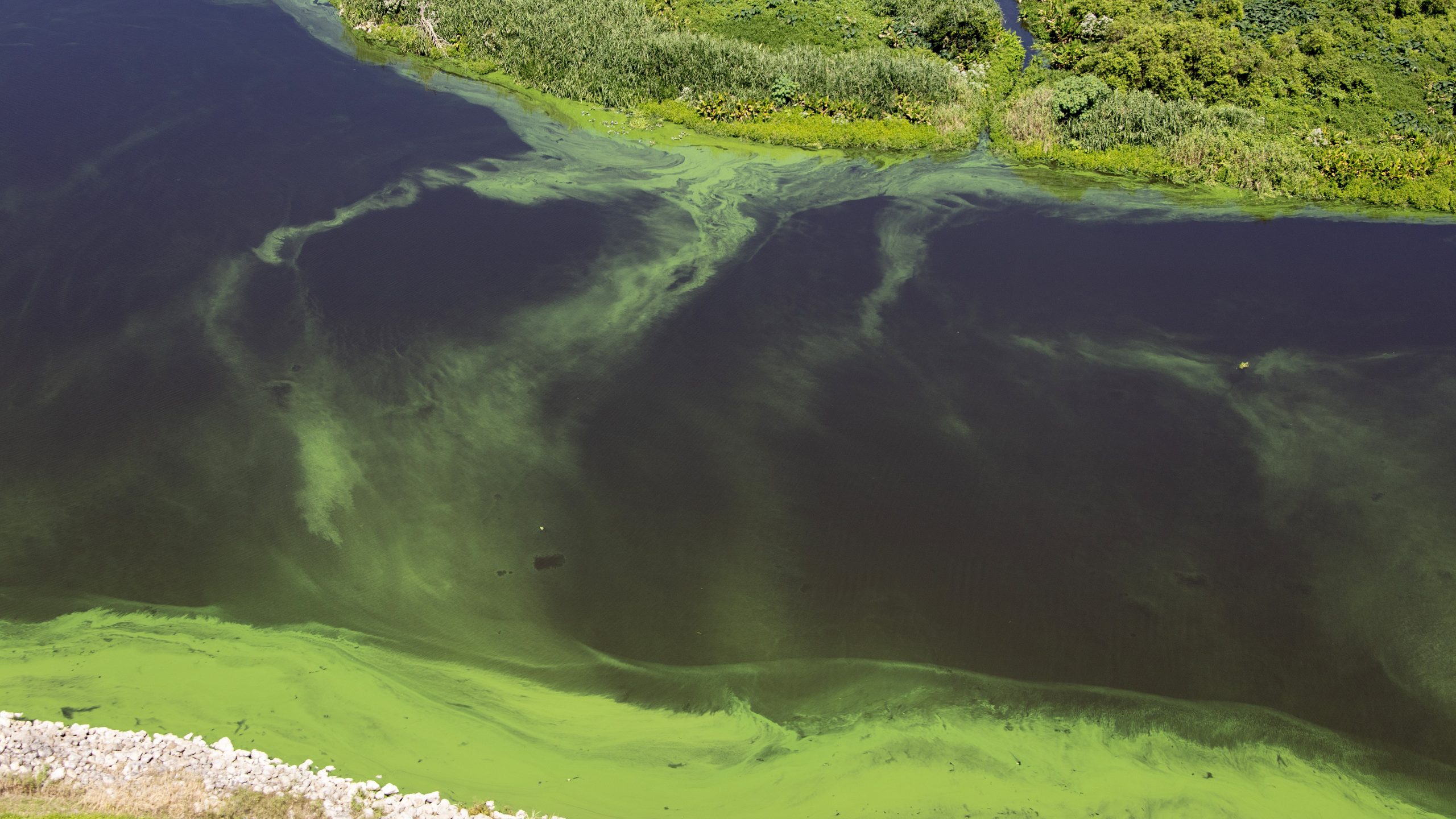
CDC conducted this study to determine if breathing in cyanotoxins can make people sick or cause symptoms. Cyanotoxins are toxins (poisons) sometimes produced when small, plant-like organisms called cyanobacteria (blue-green algae) rapidly grow out of control or bloom. Study results are forthcoming.
Using electronic health records to assess exposures to cyanobacterial blooms
CDC studied the relationship between symptoms identified through electronic health records and cyanobacterial blooms. This research was done in collaboration with:
- Wisconsin Department of Health Services
- Environmental Protection Agency
- NASA Goddard Space Flight Center
- U.S. Geological Survey (USGS)
To learn more about the study and its findings, please see Cyanobacterial Bloom Occurrence and Emergency Department Visits for Asthma or Wheeze, Wisconsin, 2017–2019.
Per- and polyfluoroalkyl substances
CDC is conducting research projects with the Agency for Toxic Substances and Disease Registry and other partners to study the health effects of PFAS.
Specifically, CDC is researching the associations between PFAS and:
- Cardiovascular disease
- Birth and mortality outcomes
- Cancer
Technical assistance
Epidemiologists at CDC provide environmental epidemiology expertise to state, tribal, local, territorial, and international organizations to assist with designing and implementing epidemiologic studies. To request assistance, please contact ncehoutbreak@cdc.gov.
This page was last updated on this date. Updates may include minor edits, image changes, or other modifications to page content.
The information on this page was last reviewed by subject matter experts to ensure accuracy.