



Key points
- Elizabethkingia bacteria are found worldwide in water sources but rarely make people sick.
- If people are infected, they can become seriously ill or die.
- People who are very young or have weakened immune systems are at highest risk.
- Elizabethkingia infection is often difficult to treat.
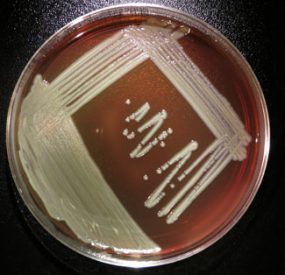
Overview
Elizabethkingia is a family of bacteria found worldwide in the environment (soil, river water, and water sources like plumbing and drains). Despite how common the bacteria are, they usually don't make people sick.
In the United States, about 250-500 infections are reported per year. Most infections occur in small outbreaks in health care facilities in people who have pre-existing health conditions. Elizabethkingia is generally considered a hospital-acquired infection, often caused by the bacteria being in the water of the facility or contaminated medical equipment.
The illness can kill between one-third and one-half of patients who get it. This is likely due to two factors:
- Elizabethkingia infection can be severe.
- Most people with Elizabethkingia are already medically fragile before they get the infection.
Signs and symptoms
Elizabethkingia infection signs and symptoms vary. Patients often present with blood infections without a clear source. Meningitis (swelling of the brain and nervous system) is also common and is linked to high numbers of illnesses and deaths in children who get sick with the disease.
It can also cause:
- Pneumonia and/or bronchitis (lung or airway infections)
- Swelling of the heart (endocarditis)
- Skin and soft tissue infection
- Urinary tract infections
- Bone infections
- Bloodstream infections
- Infections at surgery sites