Skip directly to search Skip directly to A to Z list Skip directly to navigation Skip directly to site content Skip directly to page options
CDC Home

Questions and Answers about HPV Vaccine Safety

What are the known side effects of the human papillomavirus (HPV) vaccine, Gardasil?


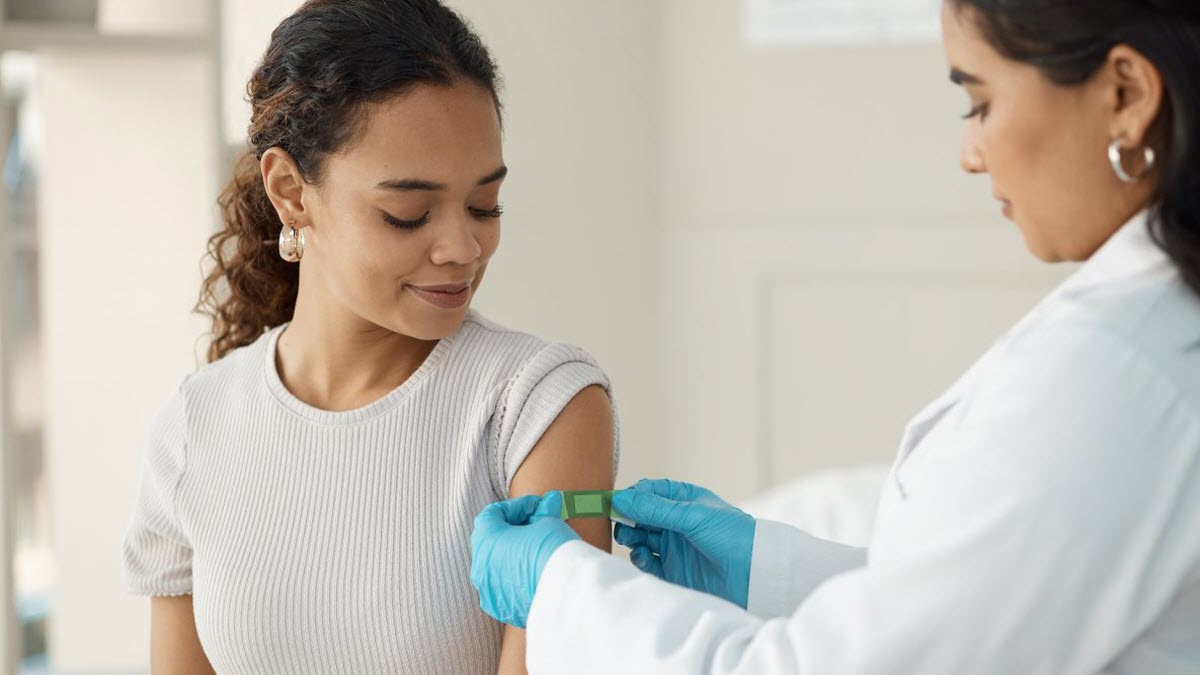
The most common side effects are pain and redness where the shot is given (in the arm). About 1 person in 10 will get a mild fever. About 1 person in 30 will get itching where they got the shot. About 1 person in 60 will experience a moderate fever. These symptoms do not last long and go away on their own.

Top of page

How was the safety of Gardasil studied before it was licensed?


The safety of this vaccine was studied in 5 clinical trials before it was licensed. There were over 21,000 girls and women ages 9 through 26 in the clinical trials.

Top of page

Who is in charge of monitoring the safety of vaccines in the U.S.?


Working with healthcare providers throughout the United States, two government agencies, the Food and Drug Administration (FDA) and the Centers for Disease Control and Prevention (CDC), monitor the safety of vaccines.

Top of page

What is an adverse event?


An adverse event is a health problem that is reported after someone gets a vaccine or medicine. It may or may not have been caused by the vaccine or medicine. For example, the person might get a headache after getting a vaccine. This might be caused by the vaccine or it mig hit be caused by something else.

Top of page

How do the FDA and the CDC monitor the safety of vaccines after they are licensed?


There are 3 systems used to monitor the safety of vaccines after they are licensed and being used in the U.S. These systems can monitor side effects already known to be caused by vaccines as well as detect rare side effects that were not identified during a vaccine's clinical trials.

  • The Vaccine Adverse Event Reporting System (VAERS) receives reports of possible vaccine side effects, called "adverse events", by regular mail, fax, or through the web. Reports can be made by doctors, parents, or family members, someone who got a vaccine, or by a manufacturer. Reports can be submitted at any time after someone gets a vaccine. This means a person can report a health problem that develops months or even years after they get a vaccine. All reports are reviewed by trained staff at both FDA and CDC. VAERS can detect patterns in reports to show that a vaccine might be causing a possible side effect. It cannot be used to determine for sure if the vaccine really is causing a side effect.
  • The Vaccine Safety Datalink (VSD) Project is a project between CDC and 8 health care organizations. The goal of this project is to address gaps in knowledge about rare and serious side effects that may happen after someone gets a vaccine. The VSD can be used to study patterns in reports detected by VAERS and determine if a vaccine is causing a side effect.
  • The Clinical Immunization Safety Assessment (CISA) Network is a project between 6 academic centers in the U.S. which conduct research on adverse events that might be caused by vaccines.

Top of page

How many adverse events have been reported to VAERS in people who have gotten Gardasil?


From the time the vaccine was licensed through September 1, 2009, over 26 million doses of Gardasil have been distributed in the U.S. During that time, there have been 15,037 reports made to VAERS of adverse events following vaccination with Gardasil. Of these, 93% were classified as reports of mild to moderate adverse events and 7% have been reports of serious events.

Top of page

What sorts of mild to moderate adverse events have been reported?


The majority of reported adverse events following Gardasil have been considered minor. Reports have included pain at the injection site, headache, nausea, and fever. Reports of people fainting have also been received.

Fainting is common after injections, especially in pre-teens and teens. Falls that occur after someone faints can cause serious injuries, such as head injuries. To help prevent injuries, CDC and FDA recommend that people receiving Gardasil (or any other vaccine) should sit or lie down for 15 minutes after receiving it.

Top of page

What sorts of serious adverse events have been reported?


Guillain-Barré Syndrome (GBS), which is a rare disorder that causes muscle weakness, has been reported. To date, there is no evidence that Gardasil has increased the rate of GBS above that expected in the population.

People have reported blood clots after getting Gardasil. These clots have occurred in the heart, lungs, and legs. Most of these people had a risk of getting blood clots, such as taking oral contraceptives (the birth control pill).

Forty three deaths in the U.S. have been reported to VAERS as of September 1, 2009. Each of these deaths has been reviewed and there was not a common pattern to the deaths that would suggest they were caused by the vaccine. In cases where there was an autopsy, death certificate, or medical records, the cause of death was explained by factors other than the vaccine. Some reported causes of death received to date include illicit drug use, diabetes, viral illness, and heart failure.

Top of page

How do you know if a serious adverse event was caused by Gardasil?


VAERS staff people receive reports of many types of events that occur after immunization. Some of these events may occur in tech time period following vaccination by chance, and some may actually be caused by vaccination. VAERS staff members are trained to examine the details of each case and to look for patterns between cases. Such patterns might require further study by the Vaccine Safety Datalink.

Top of page

Have FDA and CDC changed their recommendations for the use of Gardasil based on their vaccine safety monitoring?


While no vaccine or medicine is completely without risk, CDC and FDA have reviewed all of the safety information available to them about Gardasil. Based on this, CDC and FDA have determined that Gardasil is safe to use and effective in preventing 4 types of HPV.

CDC continues to recommend the vaccination of 11 and 12 year old girls with 3 doses of vaccine to prevent the types of HPV that most commonly cause cervical cancer and genital warts. The vaccine is also recommended for girls and women ages 13 through 26 who did not get any or all of the doses when they were younger.

FDA has changed Gardasil's prescribing information to involve information about preventing falls from fainting. CDC has taken steps to remind doctors and nurses about this same information. CDC is also adding this information to its educational material for parents.

Top of page

 
Contact Us:
  • Centers for Disease Control and Prevention
    1600 Clifton Rd
    Atlanta, GA 30333
  • 800-CDC-INFO
    (800-232-4636)
    TTY: (888) 232-6348
    24 Hours/Every Day
  • cdcinfo@cdc.gov
USA.gov: The U.S. Government's Official Web PortalDepartment of Health and Human Services
Centers for Disease Control and Prevention   1600 Clifton Rd. Atlanta, GA 30333, USA
800-CDC-INFO (800-232-4636) TTY: (888) 232-6348, 24 Hours/Every Day - cdcinfo@cdc.gov

A-Z Index

  1. A
  2. B
  3. C
  4. D
  5. E
  6. F
  7. G
  8. H
  9. I
  10. J
  11. K
  12. L
  13. M
  14. N
  15. O
  16. P
  17. Q
  18. R
  19. S
  20. T
  21. U
  22. V
  23. W
  24. X
  25. Y
  26. Z
  27. #