Reports of Health Concerns Following HPV Vaccination
HPV Vaccine Safety
The safety of the HPV vaccine was studied in 5 clinical trials before it was licensed. There were over 21,000 girls and women ages 9 through 26 in these clinical trials.
Since it was licensed, CDC and FDA have been closely monitoring the safety of HPV vaccine. There are 3 systems used to monitor the safety of vaccines after they are licensed and being used in the U.S. These systems can monitor side effects already known to be caused by vaccines as well as detect rare side effects that were not identified during a vaccine's clinical trials. The 3 systems are:
- The Vaccine Adverse Event Reporting System (VAERS)--a useful early warning public health system that helps CDC and FDA detect possible side effects or adverse events following vaccination.
- The Vaccine Safety Datalink (VSD) Project--a project between CDC and 8 health organizations to study patterns in reports detected by VAERS and determine if a vaccine is causing a side effect.
- The Clinical Immunization Safety Assessment (CISA) Network--a project between 6 academic centers in the U.S. which conduct research on adverse events that might be caused by vaccines.
VAERS Limitation
A major limitation of VAERS data is that there is no proven causal association between the vaccine and the adverse event. The only association is in time, meaning that the adverse event occurred sometime after vaccination. Therefore, we cannot conclude that the events reported to VAERS were caused by the vaccine.
Reports to VAERS Following HPV Vaccination
As of September 1, 2009, more than 26 million doses of Gardasil were distributed in the United States.
As of September 1, 2009, there were 15,037 VAERS reports of adverse events following Gardasil vaccination in the United States. Of these reports, 93% were reports of events considered to be non-serious, and 7% were reports of events considered serious.
Based on all of the information we have today, CDC continues to recommend Gardasil vaccination for the prevention of 4 types of HPV. AS with all approved vaccines, CDC and FDA will continue to closely monitor the safety of Gardasil. Any problems detected with this vaccine will be reported to health officials, healthcare providers, and the public, and needed action will be taken to ensure the public's health and safety.
Non-serious adverse event reports
VAERS defines non-serious adverse events as those other than hospitalization, death, permanent disability, and life threatening illness.
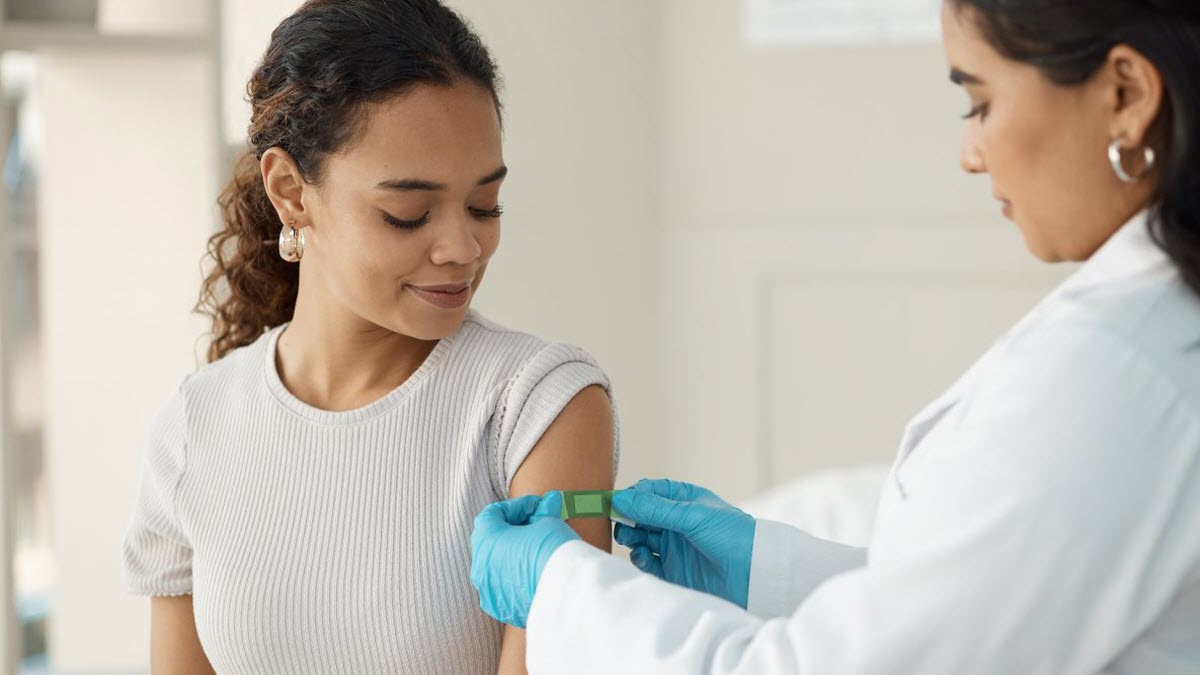
The vast majority (93%) of the adverse events reports following Gardasil vaccination have included fainting, pain, and swelling at the injection site (the arm), headache, nausea, and fever. Fainting is common after injections and vaccinations, especially in adolescents. Falls after fainting may sometimes cause serious injuries, such as head injuries, which can be prevented by closely observing the vaccinated person for 15 minutes after vaccination.
Serious adverse event reports
VAERS defines serious adverse events as adverse events that involve hospitalization, permanent disability, life-threatening illness, and death. As with all VAERS reports, serious events may or may not have been caused by the vaccine.
All serious reports (7%) for Gardasil have been carefully analyzed by medical experts. Experts have not found a common medical pattern to the reports of serious adverse events reported for Gardasil that would suggest that they were caused by the vaccine. The following is a summary of selected serious adverse event reports that were submitted to VAERS between June 8, 2006 and September 1, 2009.
Guillain-Barré Syndrome (GBS)
Guillain-Barré Syndrome (GBS) has been reported after vaccination with Gardasil. GBS is a rare disorder that causes muscle weakness. It occurs in 1-2 out of every 100,000 people in their teens. A number of infections can cause GBS. There has been no indication that Gardasil increases the rate of GBS in girls and women above the rate expected in the general population, whether or not they were vaccinated.
Blood Clots
Rarely, people have reported blood clots after getting Gardasil. These clots have occurred in the heart, lungs, and legs. Most of these people had a risk of getting blood clots, such as taking oral contraceptives (the birth control pill).
Deaths
As of September 1, 2009, there have been 44 U.S. reports of death among females who have received the vaccine. Twenty seven of these reports have been confirmed and 17 remain unconfirmed due to no identifiable patient information in the report such as a name and contact information to confirm the report. Confirmed reports are those that scientists have followed up on and have verified the claim. In the 27 reports confirmed, there was no unusual pattern or clustering to the deaths that would suggest that they were caused by the vaccine.
More information is available at:
http://www.cdc.gov/vaccines/recs/acip/downloads/mtg-slides-oct08/12-hpv.pdf (92.46 KB)
Summary of HPV Adverse Event Reports Published in JAMA
Reports of adverse events after getting a vaccine can be submitted to VAERS by fax at 1-877-721-0366, online at https://secure.vaers.org/VAERSDataEntryintro.htm, or by mail to Vaccine Adverse Event Reporting System, P.O. Box 1100, Rockville, MD 20849-1100.
Get email updates
To receive email updates about this page, enter your email address:
Contact Us:
- Centers for Disease Control and Prevention
1600 Clifton Rd
Atlanta, GA 30333 - 800-CDC-INFO
(800-232-4636)
TTY: (888) 232-6348
24 Hours/Every Day - cdcinfo@cdc.gov