



Key points
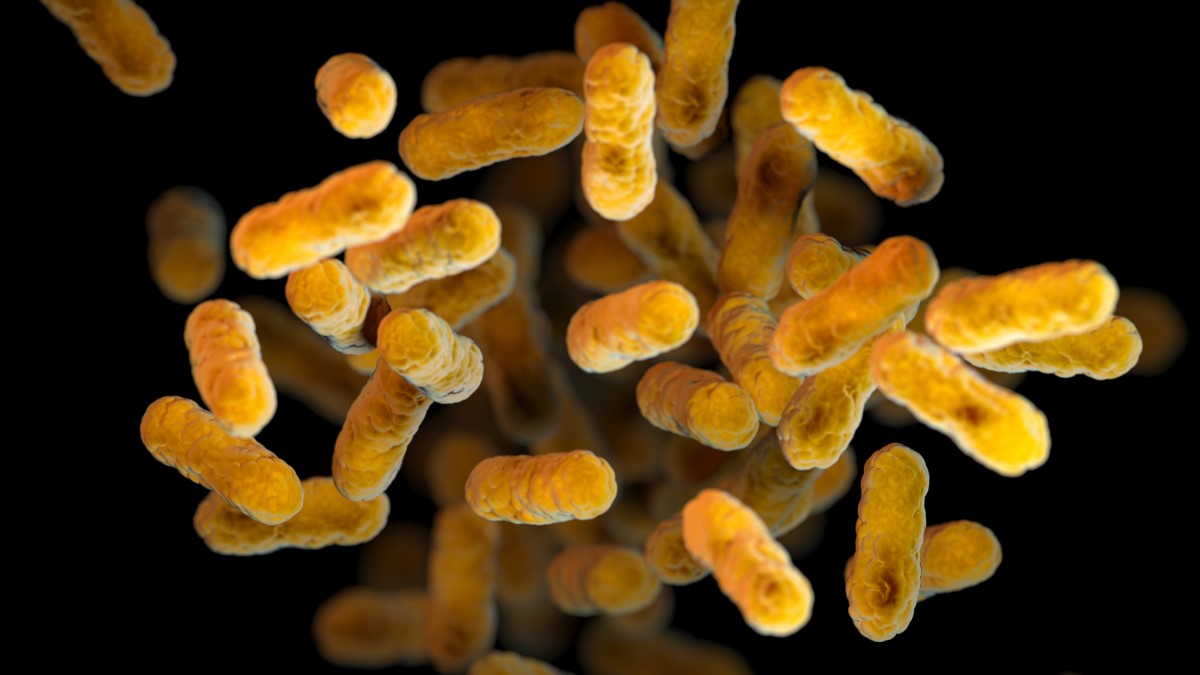
- Pertussis, also known as whooping cough, is an acute infectious disease caused by the bacterium Bordetella pertussis.
- Pertussis is a human disease and no animal or insect source, or vector is known to exist.
- CDC recommends vaccination and postexposure antimicrobial prophylaxis to prevent pertussis.

Cause
B. pertussis is a fastidious, gram-negative bacterium requiring special media for isolation. B. pertussis produces multiple antigenic and biologically active products including:
- Adenylate cyclase
- Agglutinogens
- Filamentous hemagglutinin
- Pertactin
- Pertussis toxin
- Tracheal cytotoxin
These products are responsible for the clinical features of pertussis. An immune response to one or more of them produces immunity following infection.
Immunity
Some observational studies suggest that pertussis infection can provide immunity for 4 to 20 years, but that it's not lifelong.
Incubation
Pertussis symptoms usually develop within 5 to 10 days after exposure, but sometimes not for as long as 21 days.
How it spreads
Transmission is usually person to person through respiratory droplets or contact with airborne droplets.
Clinical features
Pertussis has an insidious onset with catarrhal symptoms that are indistinguishable from those of minor respiratory tract infections.
Next is the paroxysmal stage characterized by numerous, rapid coughs.
The final stage is the convalescent stage, which can take from weeks to months to resolve.
Prevention
CDC recommends vaccination and postexposure antimicrobial prophylaxis to prevent pertussis.
Vaccination
CDC recommends pertussis vaccination for people of all ages.
Postexposure antimicrobial prophylaxis
CDC supports providing postexposure antimicrobial prophylaxis especially to
- Household contacts of a pertussis case
- People at high risk of developing severe pertussis infection
- Those who will have contact with people at high risk of developing severe pertussis infection
Hygiene
CDC recommends practicing good hygiene to prevent the spread of respiratory illnesses. Healthcare providers can encourage patients to cover their cough or sneeze and wash their hands often with soap and water.
Testing and diagnosis
Determining who has pertussis can be difficult. Whenever possible, healthcare providers should obtain a nasopharyngeal swab or aspirate from everyone with suspected pertussis for laboratory testing.
Treatment and recovery
Ideally, treat pertussis during the first 1 to 2 weeks before coughing paroxysms occur. Treatment is ineffective if started later in the course of illness.
Complications
Anyone, but especially infants and young children, may experience serious and potentially life-threatening complications from pertussis.
Complications are usually less severe in those who received pertussis vaccines.
Trends and surveillance
Pertussis is common and a reportable condition in the United States.
Healthcare providers should report pertussis cases to the local public health department as soon as possible. This prompt information helps public health authorities with preventing additional cases.
Resources
Pink Book's Chapter on Pertussis
Epidemiology & Prevention of Vaccine-Preventable Diseases textbook
Pertussis and Mycoplasma pneumoniae infections in the U.S., 2024
CDC presentation to partners