CDC Vital Signs Report
Preventing Norovirus Outbreaks, Food Service has a Key Role
Norovirus is the leading cause of disease outbreaks from contaminated food in the United States. Learn about food safety practices that can help prevent these outbreaks.
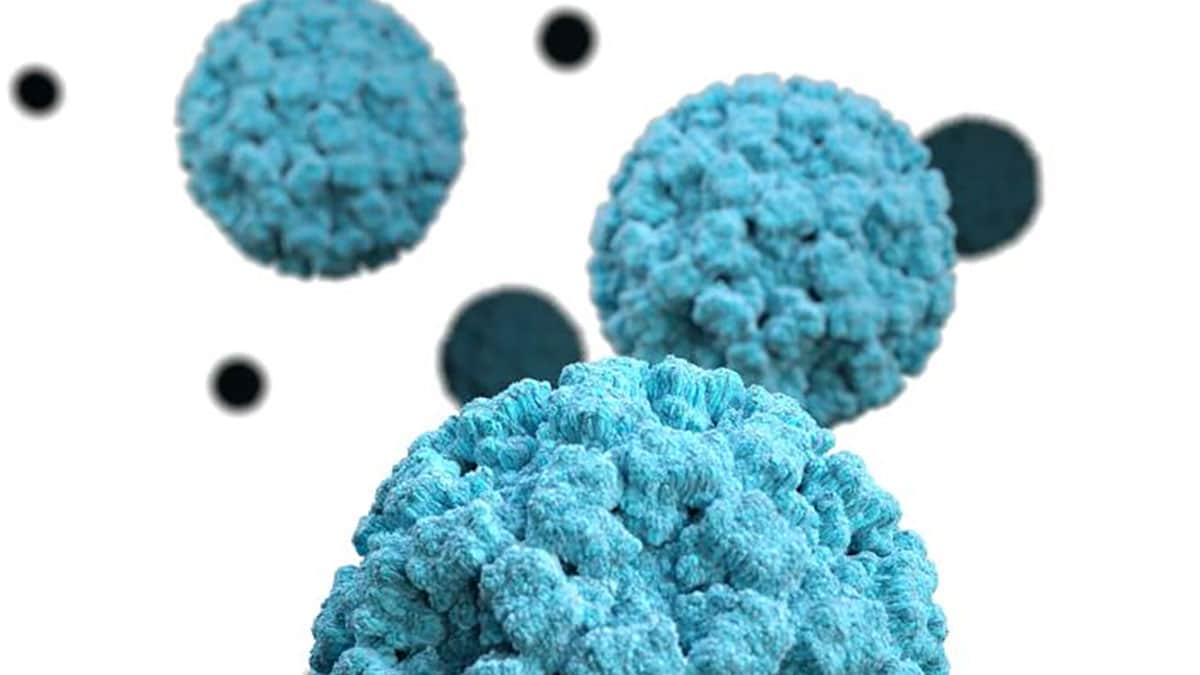
Norovirus is a very contagious virus that can infect anyone. You can get it from an infected person, contaminated food or water, or by touching contaminated surfaces. The virus causes your stomach or intestines or both to get inflamed. This leads you to have stomach pain, nausea, and diarrhea and to throw up. These symptoms can be serious for some people, especially young children and older adults...
Norovirus Outbreaks
Norovirus outbreaks occur throughout the year. But, over 80% of the outbreaks occur from November to April. In this data & statistics feature, learn about Surveillance for Norovirus Outbreaks.
Review other norovirus multimedia tools.
Symptoms
The most common symptoms are:
- diarrhea
- throwing up
- nausea
- stomach pain
Other symptoms include:
- fever
- headache
- body aches
You can get dehydrated if you are not able to drink enough liquids. You may urinate less, have a dry mouth and throat, and feel dizzy.
Hands Off Norovirus
CDC Featured Podcast
Dr. Aron Hall discusses how food handlers can prevent the spread of norovirus with HealthBeat’s Ira Dreyfuss.
Listen To This Podcast (1:00)
Many Names, Same Symptoms
You may hear norovirus illness called "food poisoning" or "stomach flu." It is true that food poisoning can be caused by noroviruses. But, other germs and chemicals can also cause food poisoning.
Norovirus illness is not related to the flu, which is a respiratory illness caused by influenza virus.
- Page last reviewed: July 26, 2013
- Page last updated: July 9, 2014
- Content source: