Key points
- Asthma is a disease that affects your lungs.
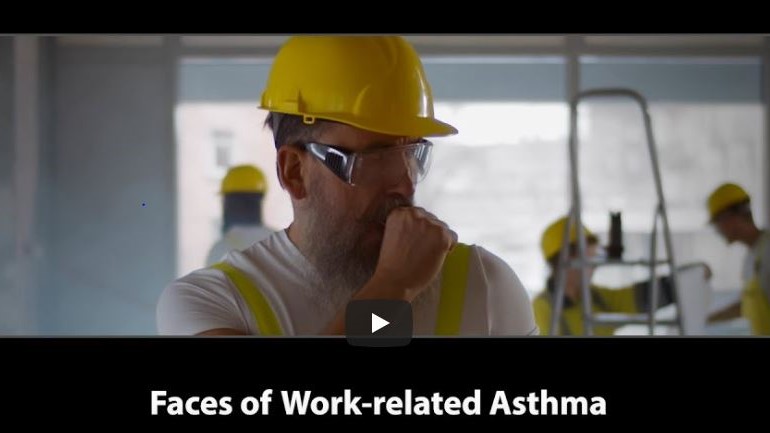
- Work-related asthma is triggered or develops from exposures at work.
- Workplace irritants, allergens, and physical conditions are triggers.
- Work-related asthma symptoms are the same as non-work related asthma.

Overview
Work-related asthma is asthma triggered by exposures at work. Asthma affects the lungs and causes the airways to become narrow and inflamed. To control it, avoid triggers that cause asthma symptoms and take prescribed medicine.
Many triggers can be in the workplace. Over 300 known substances in the workplace can cause or worsen asthma. Avoiding triggers can prevent asthma from getting worse.
Worsening asthma or new onset asthma in a worker should raise questions about workplace causes. Asthma symptoms can develop shortly after exposure. However, they can also develop months or years after repeated exposures to harmful substances.
Signs and symptoms

Symptoms of work-related asthma are the same as symptoms for non-work-related asthma. They include:
- Wheezing
- Coughing
- Chest tightness
- Shortness of breath
Asthma symptoms can come and go, and some workers might not have all of the symptoms. Workers can get work-related asthma even when using personal protective equipment such as respirators or face masks. Sometimes breathing problems start at work and continue after leaving work when exposure has stopped.
How do I know if I have work-related asthma?
Symptoms for work-related asthma tend to get better on weekends, vacations, or other times when away from work. However, in some cases, symptoms do not improve until extended time away from exposures or triggers.
Your doctor can diagnose work-related asthma. Tell your doctor about work exposures and possible triggers including your job, tasks, and materials you use.
Also consider recording when and where your symptoms occur to help determine any patterns. Your doctor will ask questions about your symptoms and will conduct a physical examination. The doctor might also order one or more tests, such as:
- Breathing tests (e.g., peak flow readings, spirometry, methacholine challenge)
- Allergy tests such as skin or blood tests
If your doctor is concerned about a condition other than asthma, he/she might order other tests such as x-rays or other imaging tests.
Causes
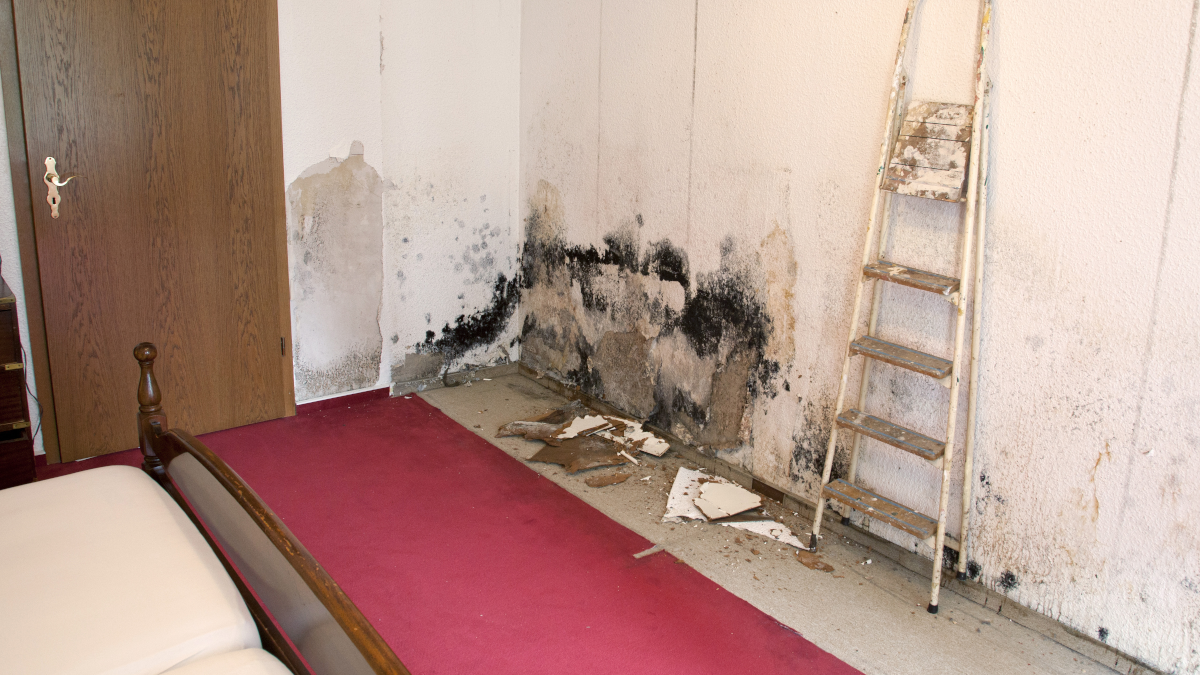
Work-related asthma is associated with exposure to worksite triggers (irritants, allergens, and physical conditions). Examples of asthma triggers are:
- Animal dander, insects, and dust mites
- Chlorine-based cleaning products
- Cigarette smoke
- Materials from cockroaches
- Cold air
- Dust from wood, grain, flour, or green coffee beans
- Gases such as ozone
Other possible triggers include:
- Irritant chemicals
- Metal dust
- Physical exertion
- Pollen and plants
- Strong fumes
- Vapors from chemicals (e.g., ammonia, isocyanates, and solvents)
- Wood smoke
Symptom management
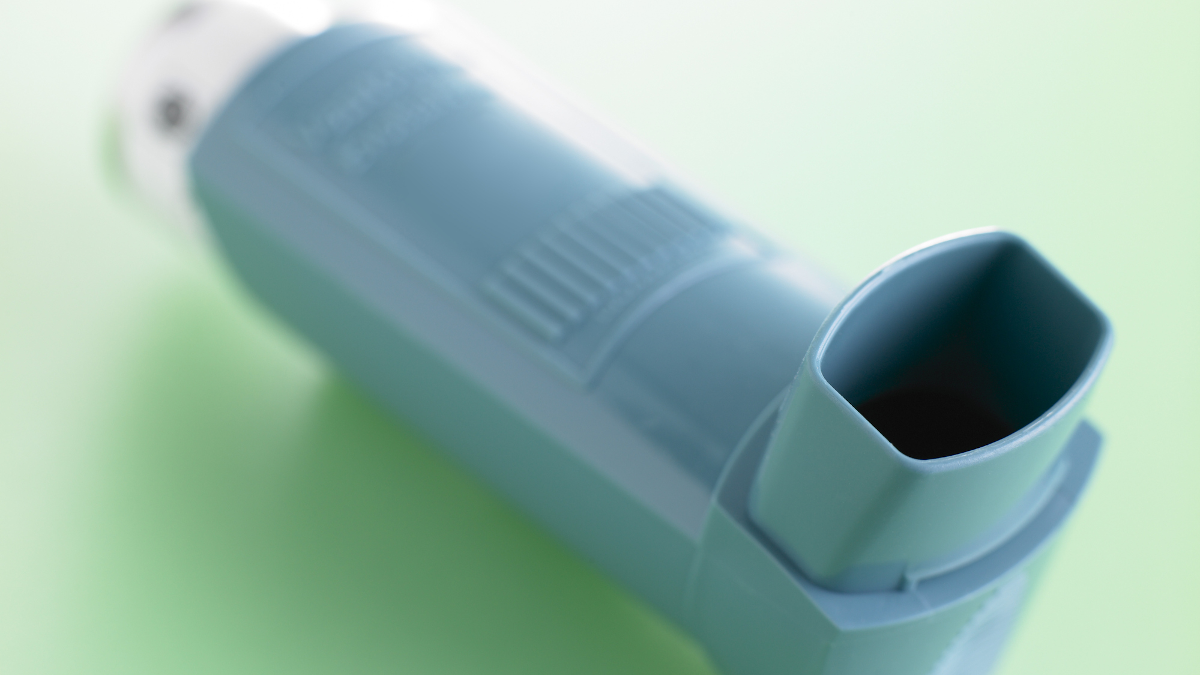
The most important step of managing asthma is stopping or reducing exposure to triggers causing symptoms. Work with your doctor to develop a personal asthma control plan. Medical professionals often treat asthma with two general types of medicine:
- Quick-relief rescue inhalers (e.g., albuterol, levalbuterol) to open the airways. People use these medicines to treat asthma attacks or flare-ups. Quick relief medications are often used in combination with long-term control medicines such inhaled corticosteroids.
- Long-term control medicines to reduce inflammation in the airways. People use these medicines to help keep asthma symptoms from occurring. When these medicines are working well, quick relief medicine is not used as much.