



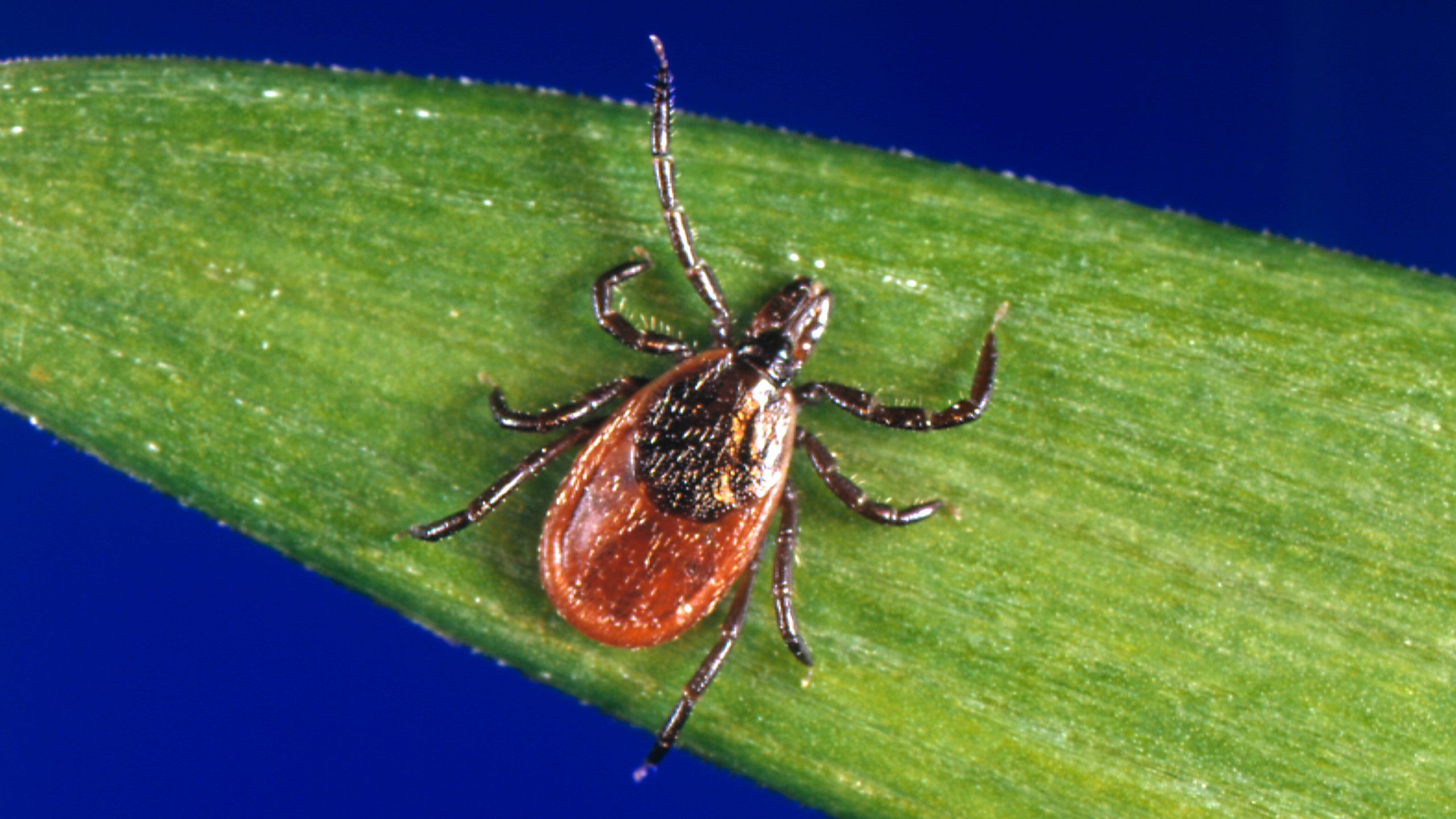
Lyme disease information on symptoms, prevention, tick removal, testing, and what CDC is doing.
Lyme disease can cause fever, rash, and arthritis. Seek prompt medical care if symptoms appear.
Blacklegged ticks spread Lyme disease in the U.S. Remove ticks within 24 hours to prevent infection.
Lyme disease is a nationally notifiable condition. Health departments report cases to CDC.
For professionals

Early diagnosis and antibiotic treatment of Lyme disease can prevent more serious health issues.
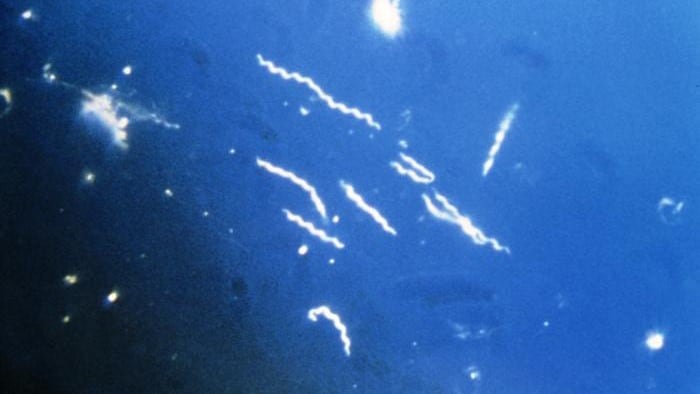
CDC recommends a two-step serologic testing process for Lyme disease using FDA-cleared assays.
Early disseminated Lyme disease can cause neurological problems. Treat with oral or IV antibiotics.
Lyme carditis disrupts heart signals, causing heart block. Treat with oral or IV antibiotics.
Treat early Lyme arthritis with 4 weeks of antibiotics. Persistent cases may need a rheumatologist.
Adjust Lyme disease treatment regimens for erythema migrans rash based on patient-specific factors.
Treat and prevent Lyme disease through current guidance, tools, and references for health providers.