Skip Navigation Links
Centers for Disease Control and Prevention
nav image
nav image CDC Home Search Health Topics A-Z nav image
Lyme Header
Home Home DVBID Contact Us


Control Ticks Around Your Home and in Your Community.


Apply Pesticides to Control Ticks


A pesticide designed to kill ticks is sometimes called an acaricide. Acaricides can be very effective in reducing tick populations. If properly timed, a single application at the end of May or beginning of June can reduce tick populations by 68-100%.

The Environmental Protection Agency and your state determine the availability of pesticides. Check with local health officials about the best time to apply acaricide in your area, as well as any rules and regulations related to pesticide application on residential properties. Or contact a professional pesticide company to apply pesticides at your home.

Create a Tick-Safe Zone

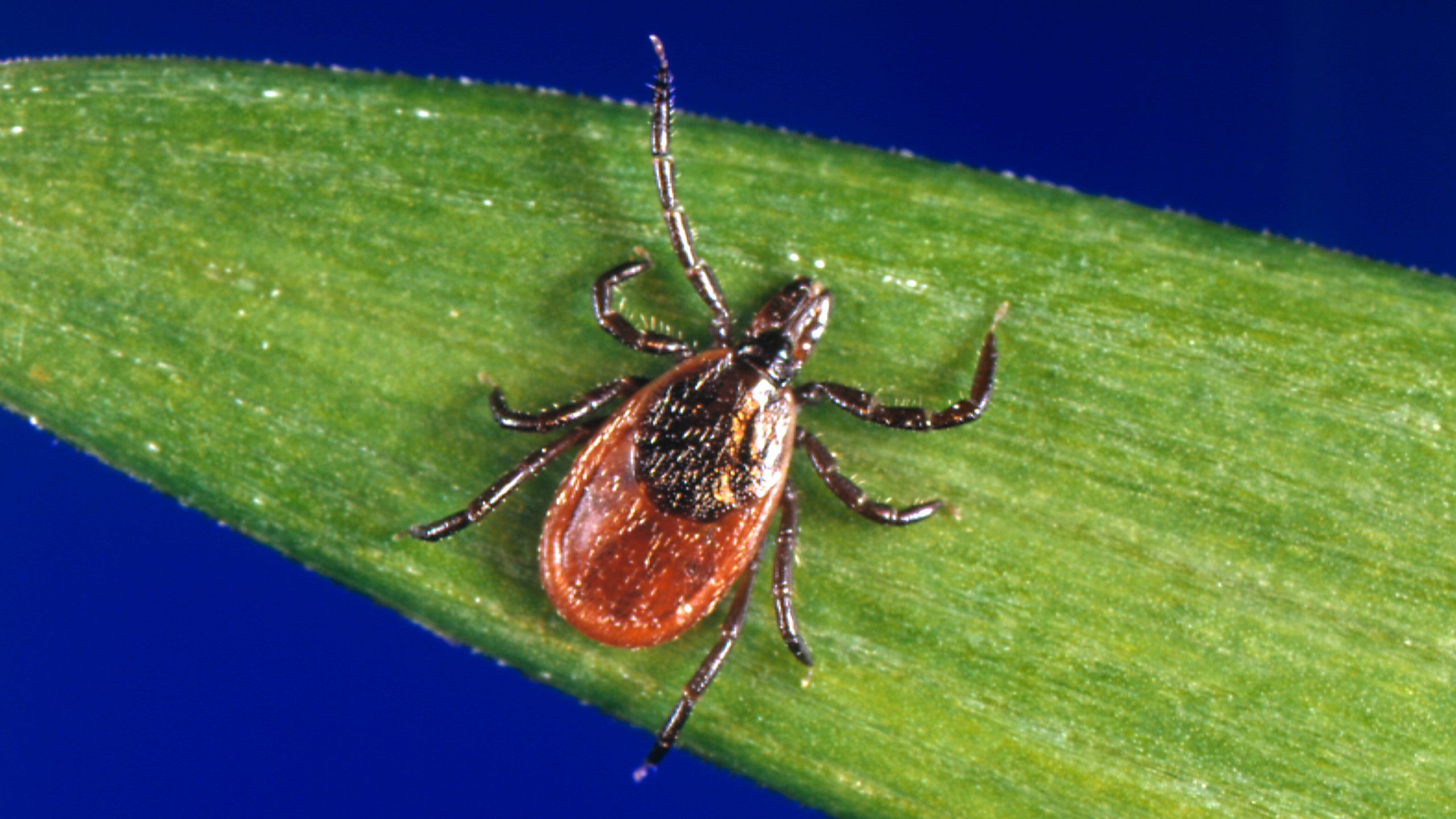
Use landscaping techniques to create a tick-safe zone around homes, parks, and recreational areas. Ticks that transmit Lyme disease thrive in humid wooded areas. They die quickly in sunny and dry environments. Here are some simple landscaping techniques to help reduce tick populations.
  
bullet Remove leaf litter and clear tall grasses and brush
around homes and at the edges of lawns.

bulletPlace wood chips or gravel between lawns and wooded areas to restrict tick migration to recreational areas.


bulletMow the lawn and clear brush and leaf litter frequently.


Map of Tick Zones
(Courtesy of CT Agricultural Experiment Station, New Haven ( pdf iconPDF - 72 pages, 24,038KB)

bulletKeep the ground under bird feeders clean.

bulletStack wood neatly and in dry areas.


bulletKeep playground equipment, decks and patios away from yard edges and trees.


Discourage Deer

  • Ticks that transmit Lyme disease can be found on deer. Actions to control deer movement or populations in communities are usually initiated at the local level in consultation with your state wildlife agency. However, there are actions you can take at your property that may help reduce deer populations around your home.

  • Do not feed deer on your property. It may be necessary to remove bird feeders and clean up spilled birdfeed.

  • Construct physical barriers to discourage deer from entering your yard.

  • Check with garden centers, nurseries, or local extension agents to learn about deer-resistant plants.

New Tools for Tick Control

  • Bait boxes that treat wild rodents with acaricide (insecticide that kills ticks) are now available for home use. Properly used, these boxes have been shown to reduce ticks around homes by more than 50%. The treatment is similar to products used to control fleas and ticks on pets; it does not harm the rodents. Bait boxes are available from licensed pest control companies in many states. For more information, look online for Maxforce Tick Management System.

  • Other methods for controlling ticks currently under evaluation include vegetation and habitat modification, devices for applying topical acaricides to deer, fungal agents for biological control, and natural extracts that safely repel ticks.


Top of Page


CDC Home | Search CDC | Health Topics A-Z

Page last reviewed June 18, 2007

Privacy Policy | Accessibility