About the National Center for Emerging and Zoonotic Infectious Diseases
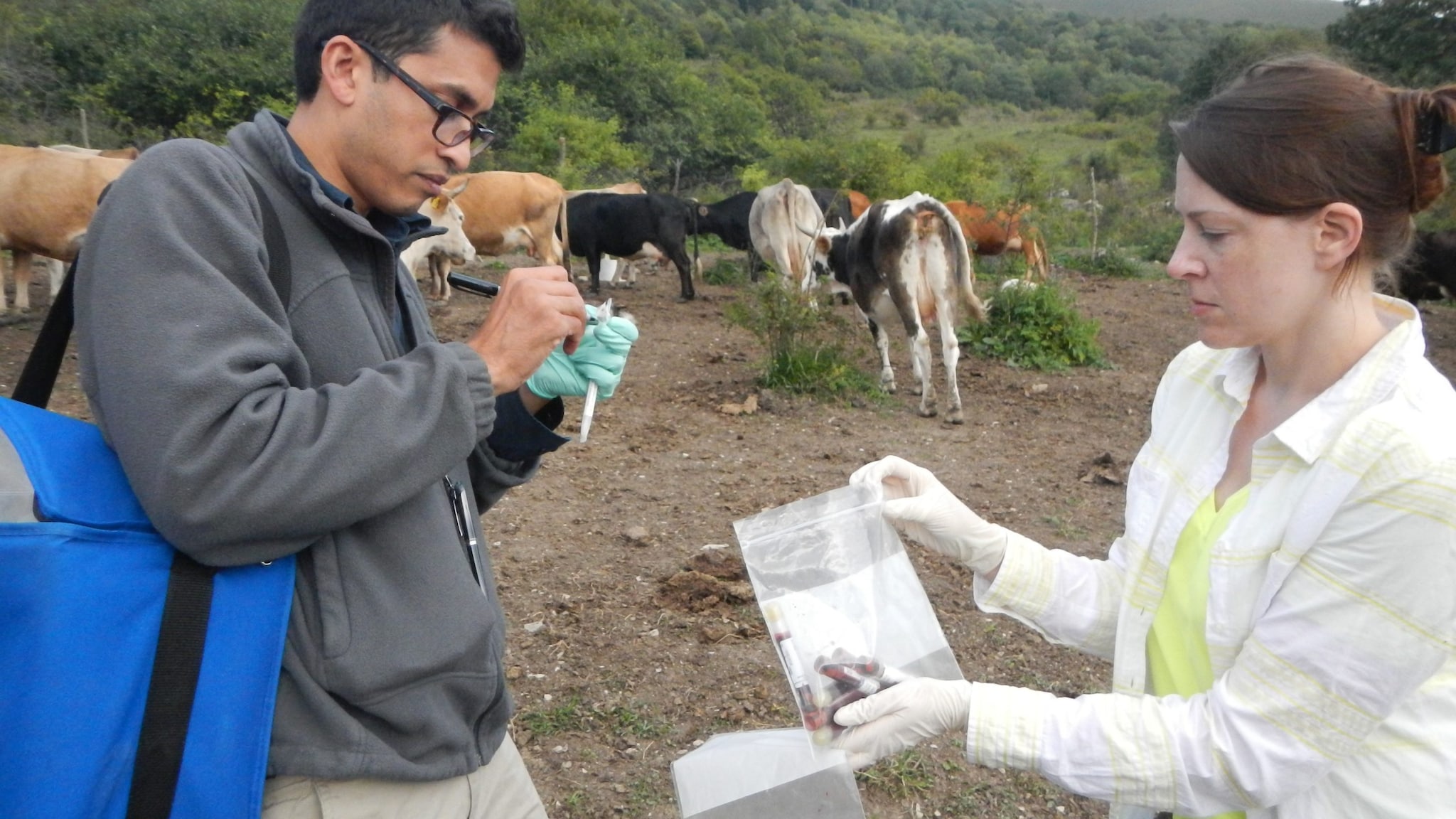
The National Center for Emerging and Zoonotic Infectious Diseases aims to prevent disease, disability, and death caused by a wide range of infectious diseases. We focus on diseases that have been around for many years, emerging diseases (those that are new or just recently identified), and zoonotic diseases (those spread from animals to people). Our work is guided in part by a holistic "One Health" strategy, which recognizes the vital interconnectedness of microbes and the environment. Through a comprehensive approach involving many scientific disciplines, we can attain better health for humans and animals and improve our environment.Â
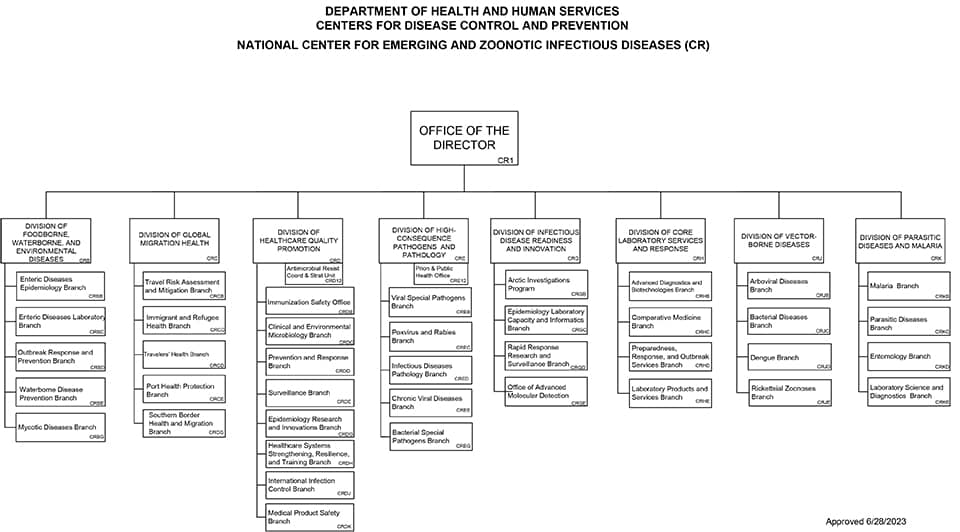
To carry out our mission, we use many different tactics: providing leadership in public health, conducting exemplary science, strengthening preparedness efforts, establishing public health policy, sharing vital health information with the public, and building partnerships. Each of the center’s seven divisions works with partners to protect and improve the public’s health in the United States and worldwide. More about the center, director, organization chart»
NCEZID Divisions
- Division of Foodborne, Waterborne, and Environmental Diseases (DFWED)
- Division of Global Migration and Quarantine (DGMQ)
- Division of High-Consequence Pathogens and Pathology (DHCPP)
- Division of Healthcare Quality Promotion (DHQP)
- Division of Preparedness and Emerging Infections (DPEI)
- Division of Scientific Resources (DSR)
- Division of Vector-Borne Diseases (DVBD)
Emerging and Zoonotic Diseases — At a Glance
Zoonotic diseases: Approximately 75% of recently emerging infectious diseases affecting humans are diseases of animal origin; approximately 60% of all human pathogens are zoonotic.
Refugee health: An estimated 50,000 to 70,000 refugees are resettled to the United States each year. These individuals can suffer from many health conditions— infectious diseases, malnutrition, and post-traumatic stress disorder caused by war.
Foodborne illness: Food-related diseases affect tens of millions of people and kill thousands and cause more than $9 billion in health care-related costs each year. Preventing a single fatal case of E. coli O157 infection would save an estimated $7 million.
Waterborne illness: Water, the world’s most precious commodity, is a primary resource for drinking, recreation, healthcare, industry, and agriculture. Globally, over 900 million people lack access to healthy water; in the United States, there are millions of cases of waterborne illness each year.
Healthcare-associated infections: Nearly 2 million people get infections while in U.S. hospitals each year. Almost 100,000 of them die as a result. The two most common causes are Methicillin-resistant Staphylococcus aureus (MRSA) and Clostridium difficile (C. diff).
Vectorborne diseases: There have been 1.5 million West Nile virus infections since 1999. 2.5 billion people are at risk for dengue in more than 100 endemic countries with 50 million cases of dengue fever each year.
Immunization safety: Monitoring health problems after vaccination is essential to ensure the United States continues to have the safest, most effective vaccine supply in history. CDC's Immunization Safety Office identifies possible vaccine side effects and conducts studies to determine whether a health problem is caused by a specific vaccine.
Brochure: Emerging and Zoonotic Infectious Diseases
The National Center for Emerging and Zoonotic Infectious Diseases is committed to protecting people from infectious diseases. We target familiar problems (like foodborne illnesses) and many that are less common (like viral hemorrhagic fever). Read about what we do, our name, and our divisions.
CLIA Certificates
CDC laboratories that perform clinical testing (except clinical trials and basic research) must adhere to Clinical Laboratory Improvement Amendments (CLIA) requirements and maintain current certification of CLIA compliance. Certificates are available for viewing and printing.
CDC's Infectious Disease Framework
A CDC Framework for Preventing Infectious Diseases: Sustaining the Essentials and Innovating for the Future, CDC's ID Framework, is a roadmap for improving our ability to prevent known infectious diseases and to recognize and control rare, highly dangerous, and newly emerging threats, through a strengthened, adaptable, and multi-purpose U.S. public health system. The framework is also designed to guide collective public health action at a time of resource constraints and difficult decisions. Read the Framework »
Our Work, Our Stories 2011–2012
National Center for Emerging and Zoonotic Infectious Diseases: Our Work, Our Stories 2011–2012, is the first public report about NCEZID–who we are and what we do.
Outbreaks
The CDC Current Outbreak List reports infectious disease outbreaks being reported on by CDC. Listings include those outbreaks for which content is currently published on the CDC website. Many, but not all outbreaks are investigated by NCEZID.
Emerging Infectious Diseases
Current Issue: June 2013
About the journal: Emerging Infectious Diseases represents the scientific communications component of CDC's efforts against the threat of emerging infections.
Features
Recreational Water Illness and Injury Prevention Week 2013
Having fun while you swim this summer means knowing how to prevent recreational water illnesses (RWIs) and injuries. Learn how to stay healthy and safe while enjoying the water!
(Published: May 20, 2013)
Vaccines Help Protect Travelers of All Ages
Travel within the United States or to other countries can be an opportunity to volunteer, work, or relax, but it can also put you or your family at risk for serious diseases. Make sure you and your loved ones are protected with vaccines against serious diseases.
(Published: May 20, 2013)
New CDC Travelers' Health Website!
We’ve been hard at work redesigning the Travelers’ Health website. Have a look around—we hope you like what you see!
(Published: May 20, 2013)
Stay Healthy at Animal Exhibits This Summer
There are many ways to explore the animal world. Follow these tips to help you prevent illness when visiting animal exhibits this summer.
(Published: May 14, 2013)
Drinking Water Week
Water is the foundation for life. Learn more about the vital role safe water plays in our lives and what CDC is doing to address challenges to our water supply.
(Published: May 6, 2013)
It's Spring – Time to Prevent Lyme Disease
Before gardening, camping, hiking, or just playing outdoors, make tick bite prevention part of your outdoor plans.
(Published: May 6, 2013)
Be Food Safe: Protect Yourself from Food Poisoning
Most people don't think about food safety until they or someone they know gets sick from eating contaminated food. It can happen to anyone.
(Published: May 6, 2013)
Hand Hygiene Saves Lives
Keeping hands clean is one of the most important ways to prevent the spread of infection and illness.
(Published: April 29, 2013)
NCEZID Strategic Plan
2012–2017
The National Center for Emerging and Zoonotic Infectious Diseases Strategic Plan, 2012–2017 [PDF - 13 pages] identifies the Center’s priority work for the next five years (2012–2017).
Contact Us:
- Centers for Disease Control and Prevention
1600 Clifton Rd
Atlanta, GA 30333 - 800-CDC-INFO
(800-232-4636)
TTY: (888) 232-6348
24 Hours/Every Day - cdcinfo@cdc.gov


NCEZID Tweets