|
||||||||
|
|
Home >
Public Health Research > Citizens'
Advisory Committees
Savannah River Site Health Effects Subcommittee (SRSHES) Meeting
|
||
|
Final Meeting Minutes |
|||
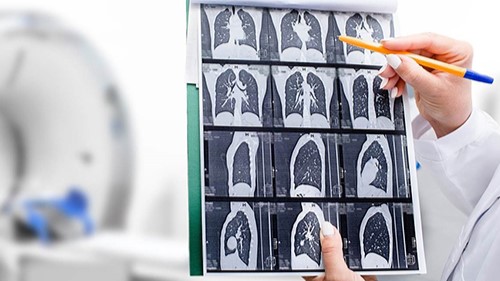
Update on the SRS Former Production Worker Health Project. Dr. David Adcock, of the University of South Carolina School of Medicine, reported on the progress of this initiative. He mentioned that a notice is initially distributed to SRS former production workers to explain the program and provide an opportunity to participate. Other workers are referred by the Building and Trades screening program or learn about the project through newspaper and television announcements. Building and Trades focuses on construction workers, but Social Security numbers and other unique identifiers have never been compared to those in the production-worker project. As a result, the two programs may contain some of the same participants. Any individual who is a former but not current SRS employee is eligible for the production-worker health project; enrollment has not been denied to any interested worker to date. Several tasks were completed during the initial phase of the program: site records were evaluated; contacts were made; major health hazards were identified; the capacity to contact a large group of former workers was demonstrated; and the number of former workers who would have adverse health effects from exposures were estimated. The project was originally designed to scientifically evaluate current health status and determine a relationship between adverse health effects and work-related exposure. Since that time, however, the study has radically changed and now focuses on creating data to allow participants to submit compensation claims. This shift has caused fewer resources to be allocated to assessing and comparing the SRS worker data with other populations. The list of all SRS former workers is still incomplete, but 2,084 of the 25,580 former workers who have been located to date are deceased. This finding resulted in a decision to focus on retirees. From the perspective of time and resources, this group is more accessible and can be more easily located. From the perspective of the study methodology, retirees have the longest latency period post-exposure and would probably present more health effects than any other group of former workers. However, former workers other than retirees are enrolled in the project as well. Examination data show that the population is 95% male with a mean age of 70 years and 32 mean years of employment. The most significant hazards were predicted to be noise, chlorinated solvents, asbestos, hydrogen sulfide, hydrazine, external ionizing radiation, and beryllium. Testing is performed at two Georgia and two South Carolina sites. Self-reported exposures by the examined population varied from the predictions to some degree, but the major difference related to ionizing radiation; 67% of the population reported this hazard. However, self-reported data are associated with major uncertainties. The rigid protocol that was developed for beryllium screening has been a source of debate among investigators due to the large number of false positives, but the standardized consensus test is being used in all DOE former-worker health projects. Of 453 workers tested for this exposure, seven had two positive beryllium lymphocyte proliferation tests. Of those, four were clinically evaluated and three are undecided about undergoing a follow-up examination. Of the seven workers with two positive tests, one had a chest x-ray that showed diffuse pleural thickening and one self-reported beryllium exposure. However, none of the clinical evaluations showed chronic beryllium disease. Overall, adverse health effects from beryllium exposure among former SRS production workers are not expected to a significant degree, but the selection process for testing will continue based on best estimates of credible exposure. Factors that will be considered in the selection process include location, job title and self-reported data. Pulmonary function test results among 400 workers showed 189 to be normal and 156 to have either restricted or obstructed breathing. The abnormal findings are most likely due to the majority of the study population being fairly old and overweight. A control group was not used, but results are based on a normal population estimate for age and body size. Of the chest radiographs completed for 697 workers, 74 had pleural abnormalities, 50 had parenchymal abnormalities and 39 had both. Although results were higher than expected, completed topographic examinations indicate that the majority of pleural abnormalities among former SRS production workers are not related to asbestos. Each test is evaluated by two certified B readers and a non-certified radiologist, but differences in interpretation frequently occur. Similar to the pulmonary function test, audiograms also depend on full participation and compliance by the subject to yield the most accurate results. Of 540 audiograms, 402 workers showed material hearing impairment. For non-occupational health problems, chest x-rays revealed cardiovascular disease in 44% of SRS former production workers. According to 457 self-reports on medical forms, 41% of former workers have arthritis, 81% regularly take either aspirin or heart disease medication, and 9% currently smoke. However, this figure represents a dramatic decrease from the 64% of workers who “ever smoked”. Overall, SRS former production workers enrolled in the health project clearly exhibit hearing loss and respiratory problems related to employment at the site. The most common non-occupational health effects are overweight conditions, cardiovascular disease and musculoskeletal problems. Dr. Adcock reported that the clinical evaluation component of the study is currently underway and an additional year of the study is expected to begin in August 2003. He encouraged SRSHES to access www.srsformerworkers.org because data on the web site are updated every two weeks. Discussion. Mr. Graves followed up on this comment and raised the possibility of chest radiograph results being independently evaluated since interpretations among readers differ. Dr. Adcock explained that very few laboratories have expertise to test samples for heavy- metal exposure. Ms. Kato did not agree that retirees would present more adverse impacts than other worker groups due to employee loyalty, the healthy worker effect, quality of life, long employment history, and genetic predisposition. Dr. Whitcomb asked for clarification on whether or not study participants were enlisted upon “calling in”, i.e., self-enlisting, and whether or not these participants were also included in the study analyses currently seen. He noted that persons who call in may have different characteristics than those called by researchers since “call-ins” may be sick. Dr. Adcock confirmed that this observation was accurate. Dr. Bustos recessed the meeting for a break from 10:30-10:45 a.m.
|
|||
|
>>
Back to Table of Contents |
|||
|
NCEH
Home|
Programs | Publications |
Contact Us | Privacy
| About NCEH This page last reviewed October 10, 2007 |
|||