Skip directly to search Skip directly to A to Z list Skip directly to navigation Skip directly to site content Skip directly to page options
CDC Home

EHSB Journal of Environmental Health Columns for 2007

2007 Direct from CDC columns

JEH Features Tools Developed by CDC Capacity-Building Grantees' Work Fact Sheet [PDF - 86 KB]

CAPT Daniel Harper is the first on the 2007 roster of authors from CDC’s Environmental Health Services Branch (EHSB) contributing to the Journal of Environmental Health on a monthly basis. In the January/February issue [PDF - 109 KB], he discusses the importance of A Diverse Environmental Public Health Workforce to Meet the Diverse Environmental Health Challenges of the 21st Century [PDF - 175 KB].

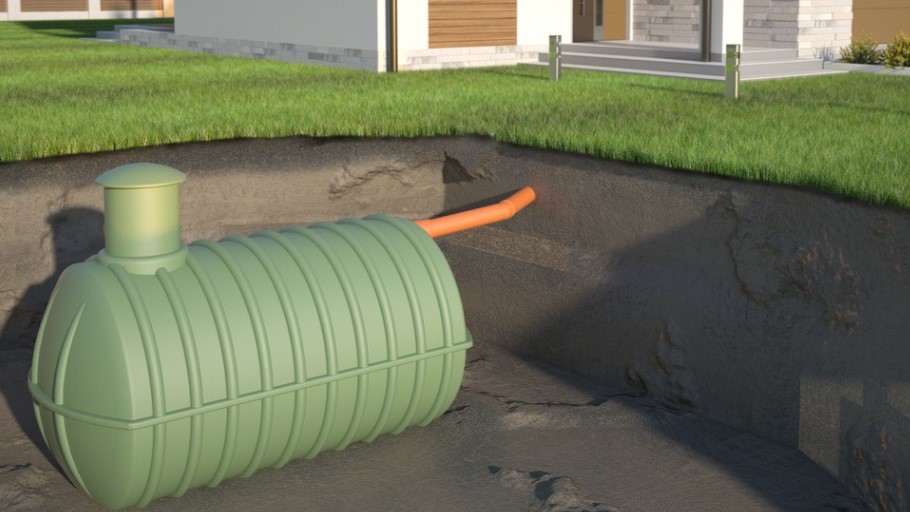
CDR Richard Gelting contributed to the March issue [PDF - 256 KB] of the Environmental Health Services Branch column. In his article, A Public Health Perspective on Onsite Wastewater Systems [PDF - 135 KB], he discusses public health issues such as exposure to wastewater pathogens and how system construction is influenced by rapid growth in many areas.

The April issue [PDF - 137 KB] of the Journal of Environmental Health featured CAPT Hugh Mainzer's discussion of the partnership between veterinarians and environmental health practitioners [PDF - 124 KB]. CAPT Mainzer notes that these partners have long had common competencies, practices, and accomplishments.

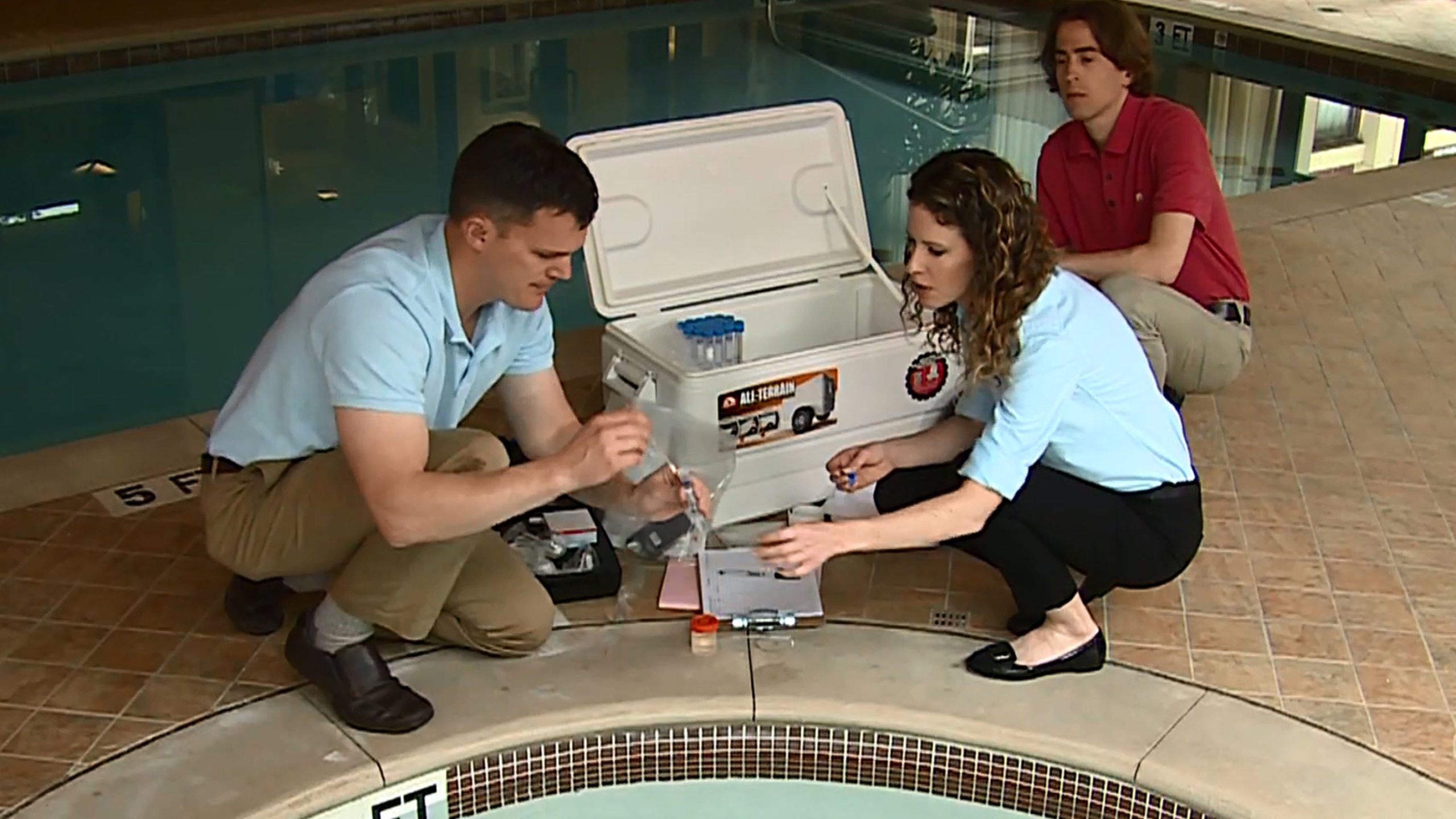
The May issue [PDF - 120 KB] of the Journal of Environmental Health included Michael Beach's column discussing National Recreational Water Illness (RWI) Prevention Week [PDF - 197 KB]. He notes that simple RWI week activities can be the first step in developing an RWI prevention plan.

Martin Kalis discusses EMAC and EH in Emergency Response [PDF - 1.5 MB] in the June issue [PDF - 557 KB] Journal of Environmental Health. This issue also features Food Workers' Perspectives on Handwashing Behaviors and Barriers in the Restaurant Environment, which was developed by CDC’s Environmental Health Specialists Network, Oregon DHS, and Oregon State University.

Daneen Farrow Collier discusses how CDC and its capacity-building grantees are Helping Environmental Health Practitioners Develop Strategic Partnerships and Engage Public Health Policy Makers on the Value and Benefits of Environmental Health Services [PDF - 1.9 MB] in the July-August issue [PDF - 92 KB] of the Journal of Environmental Health. Also in this issue: articles featuring accomplishments in capacity building for environmental public health, developed by CDC’s capacity-building grantees.

In the September issue [PDF - 111 KB] of the Journal of Environmental Health, Brian Hubbard discusses the Environmental Public Health Leadership Institute (EPHLI) and its success to date in his article, Environmental Public Health Leadership Revisited [PDF - 189 KB].

New applications for EPHLI cohort IV (class of 2008–2009) are being accepted until October 31, 2007.

The Journal of Environmental Health's October issue [PDF - 877 KB] featured Lisa Beaumier's article, The Vessel Sanitation Program: Government Partnering with the Cruise Ship Industry to Improve Public Health [PDF - 266 KB]. She discusses VSP's unique partnership with the cruise ship industry as a well as its focus on prevention and control of gastrointestinal illnesses and promotion of public health and environmental sanitation programs.

Rob Blake discusses the six goals and 12 objectives of CDC’s National Strategy to Revitalize Environmental Public Health Services in his article, Revitalization: Are We There Yet? [PDF - 142 KB] in the November issue [PDF - 60 KB] of the Journal of Environmental Health. He gives examples of activities undertaken using the goals and objectives to promote and strengthen coordination between environmental protection and public health programs.

George Luber and Jeremy Hess discuss climate change and its significance for human health in the December issue [PDF - 98 KB] of the Journal of Environmental Health. Their article Climate Change and Human Health in the United States [PDF - 385 KB] emphasizes how an effective public health response to climate change will require a synergistic approach, public health must take a leadership role in preparing for the consequences.

Top of Page


Contact Us:
  • Centers for Disease Control and Prevention
    1600 Clifton Rd
    Atlanta, GA 30333
  • 800-CDC-INFO
    (800-232-4636)
    TTY: (888) 232-6348
  • New Hours of Operation
    8am-8pm ET/Monday-Friday
    Closed Holidays
  • cdcinfo@cdc.gov
USA.gov: The U.S. Government's Official Web PortalDepartment of Health and Human Services
Centers for Disease Control and Prevention   1600 Clifton Rd. Atlanta, GA 30333, USA
800-CDC-INFO (800-232-4636) TTY: (888) 232-6348, New Hours of Operation 8am-8pm ET/Monday-Friday
Closed Holidays - cdcinfo@cdc.gov
A-Z Index
  1. A
  2. B
  3. C
  4. D
  5. E
  6. F
  7. G
  8. H
  9. I
  10. J
  11. K
  12. L
  13. M
  14. N
  15. O
  16. P
  17. Q
  18. R
  19. S
  20. T
  21. U
  22. V
  23. W
  24. X
  25. Y
  26. Z
  27. #