Skip directly to search Skip directly to A to Z list Skip directly to navigation Skip directly to site content Skip directly to page options
CDC Home

Community Environmental Health Assessment (CEHA)

Many communities face variety of health risks. Environmental factors and underlying economic and social challenges can generate some of those risks. Furthermore, a lack of trust between residents and government can worsen the situation. Community Environmental Health Assessments (CEHAs) seek to involve affected residents and other stakeholders in identifying and addressing environmental health problems in their community. The Protocol for Assessing Community Excellence in Environmental Health (PACE EH) is a community involvement tool. PACE EH offers a method for engaging communities to identify their health concerns, take action on their environmental health problems, and improve their health and quality of life.

Protocol for Assessing Community Excellence in Environmental Health (PACE EH)

The National Association of County and City Health Officials (NACCHO) and the Centers for Disease Control and Prevention (CDC) collaborated to develop PACE EH. This methodology guides communities and local health officials in conducting community-based environmental health assessments. PACE EH draws on community collaboration and environmental justice principles to involve the public and other stakeholders in:

  • Identifying local environmental health issues,
  • Setting priorities for action,
  • Targeting populations most at risk, and
  • Addressing identified issues.

Why Use PACE EH in Your Community?

Most importantly, PACE EH processes can lead to action on those environmental health issues that both affect health and address community needs. The Florida Department of Public Health used a PACE EH process in the community of Wabasso. Private and public leaders in Wabasso identified their top health issues as

  • Safe and healthy housing,
  • Community safety from violence and drug trafficking,
  • Street lighting,
  • Accessible areas for safe physical activity and recreation,
  • Access to safe drinking water, and
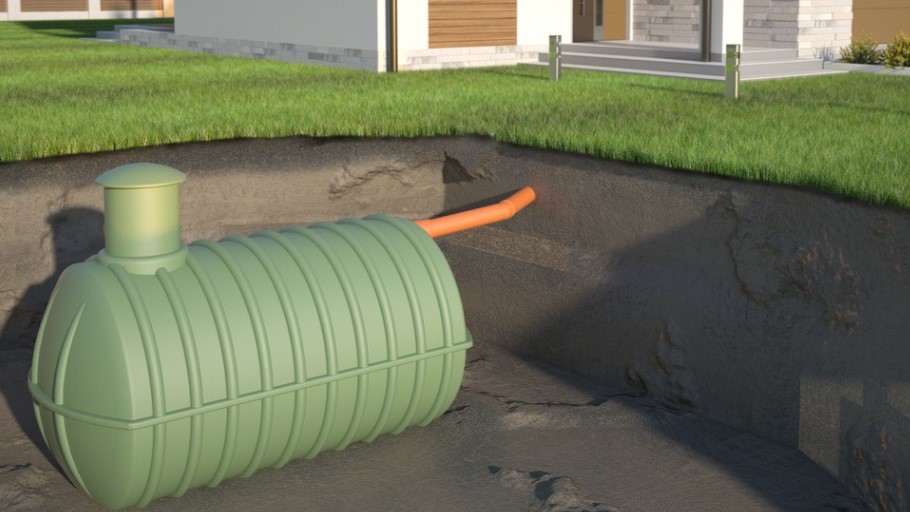
  • Solutions to septic system failures and access to a municipal wastewater system.

The PACE EH process led to several civic improvements. Streetlights and sidewalks were installed. Abandoned homes were removed and existing homes repaired. Water lines were installed, septic systems improved, and parks enhanced, including the addition of a walking trail. The local health agency could not address these problems on its own. But health agency staff often knew whom to contact within the local government or community. Because of the improvements, survey respondents reported several benefits. Outdoor physical activity increased (80%), sense of well-being improved (94%), and trust in government to address concerns increased (91%). A $30,000 investment in the local health department’s staff time yielded more than $1.5 million in improvements.

Not all communities using this protocol have conducted short- and long-term impact evaluations. However, a PACE EH process evaluation [PDF - 1.7 MB] used across several sites noted that implementing a community environmental health assessment resulted in

  • Built networks and collaboration,
  • Improved knowledge and skills in environmental health and collaboration,
  • Increased awareness of environmental health concerns,
  • Increased trust between collaborators,
  • Strengthened the perception of the health agency as leader.

PACE EH helps with implementation of the 10 Essential Environmental Public Health Services. One of the services is to inform, educate, and empower people about environmental health issues, and another is to mobilize community partnerships and actions to identify and solve environmental health problems. PACE EH can also help assure a competent environmental health workforce and improve the decision-making process by strengthening community involvement so that public values and priorities are considered.

Are you ready to initiate a PACE EH or other community environmental health assessment in your community? Explore our PACE EH resources and other community involvement resources, and don’t hesitate to contact us to discuss how we can help you involve your community in environmental health decision making.

Top of Page


Contact Us:
  • Centers for Disease Control and Prevention
    1600 Clifton Rd
    Atlanta, GA 30333
  • 800-CDC-INFO
    (800-232-4636)
    TTY: (888) 232-6348
  • New Hours of Operation
    8am-8pm ET/Monday-Friday
    Closed Holidays
  • cdcinfo@cdc.gov
USA.gov: The U.S. Government's Official Web PortalDepartment of Health and Human Services
Centers for Disease Control and Prevention   1600 Clifton Rd. Atlanta, GA 30333, USA
800-CDC-INFO (800-232-4636) TTY: (888) 232-6348, New Hours of Operation 8am-8pm ET/Monday-Friday
Closed Holidays - cdcinfo@cdc.gov
A-Z Index
  1. A
  2. B
  3. C
  4. D
  5. E
  6. F
  7. G
  8. H
  9. I
  10. J
  11. K
  12. L
  13. M
  14. N
  15. O
  16. P
  17. Q
  18. R
  19. S
  20. T
  21. U
  22. V
  23. W
  24. X
  25. Y
  26. Z
  27. #