



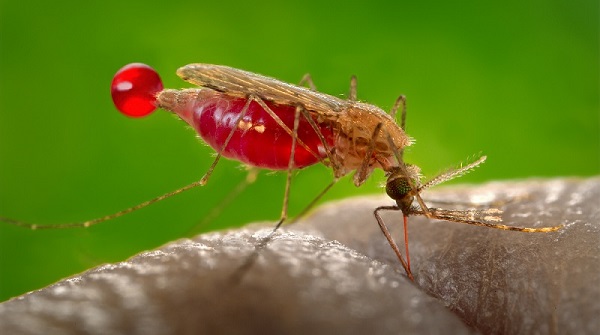
Malaria is a serious disease caused by a parasite that infects a certain type of mosquito.

Malaria symptoms range from very mild to severe disease and even death.

Avoiding mosquito bites and taking appropriate medications is the best way to prevent malaria.
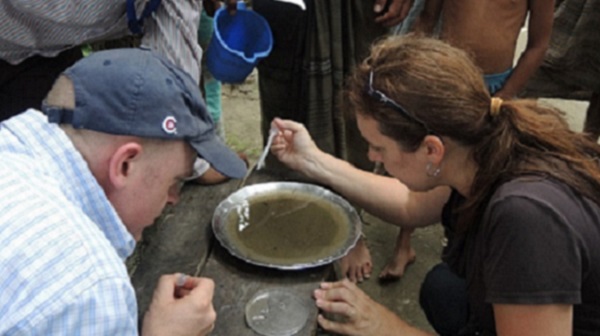
Most people get malaria from the bite of an infective mosquito, also called a vector.
Malaria Topics

Malaria infection is caused by Plasmodium parasite species and can be uncomplicated or severe.

Malaria can be a severe, potentially fatal disease, especially when caused by Plasmodium falciparum....
Always confirm a clinical diagnosis of malaria with a laboratory test.
Drugs to prevent malaria differ by country of travel.
The risk for a traveler contracting malaria differs substantially from region to region and from tra...
Malaria is typically transmitted in tropical and subtropical areas.
This course teaches epidemiologists and healthcare professionals about epidemiology.
More on Malaria

Report all U.S. cases of laboratory-confirmed malaria to local or state health departments.

The goal of most malaria programs is to reduce the number of malaria-related cases and deaths.

Malaria communication resources on mosquito bite prevention, travel, and global partners.