On This Page
Standing or Flood Waters
Health Risks
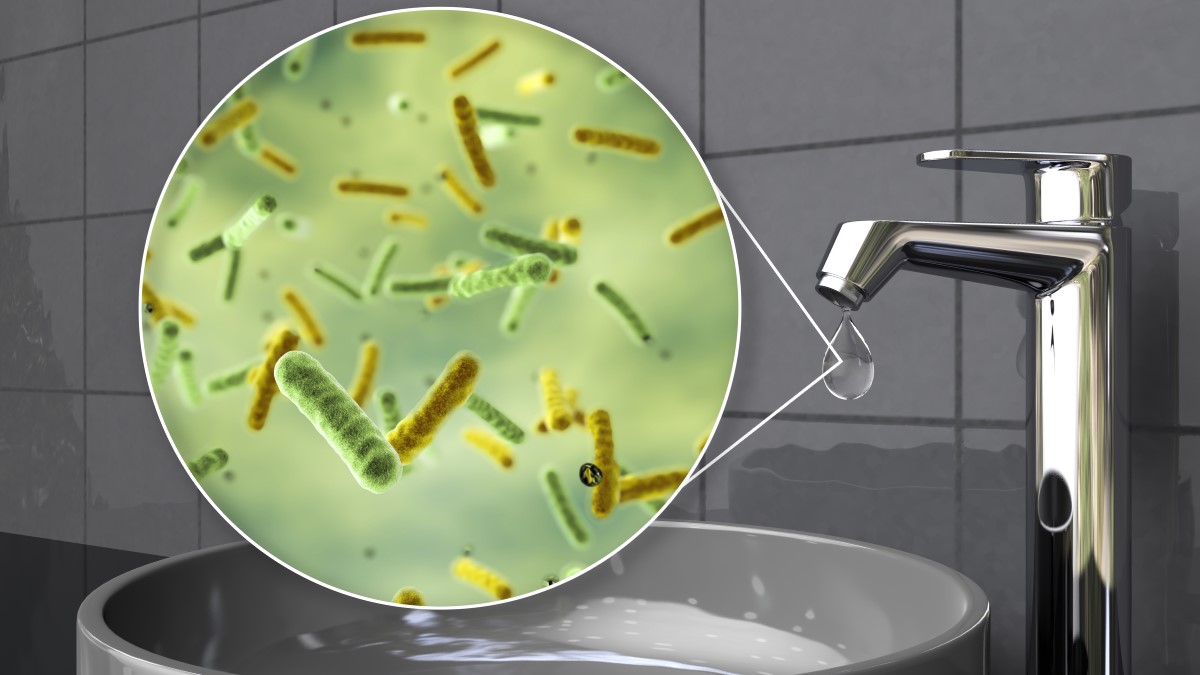
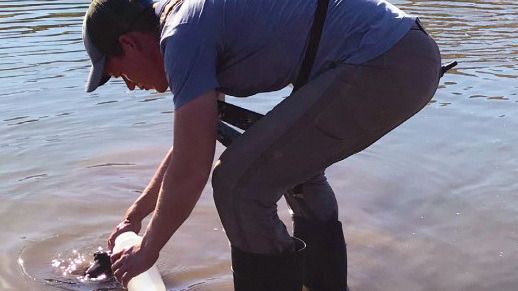
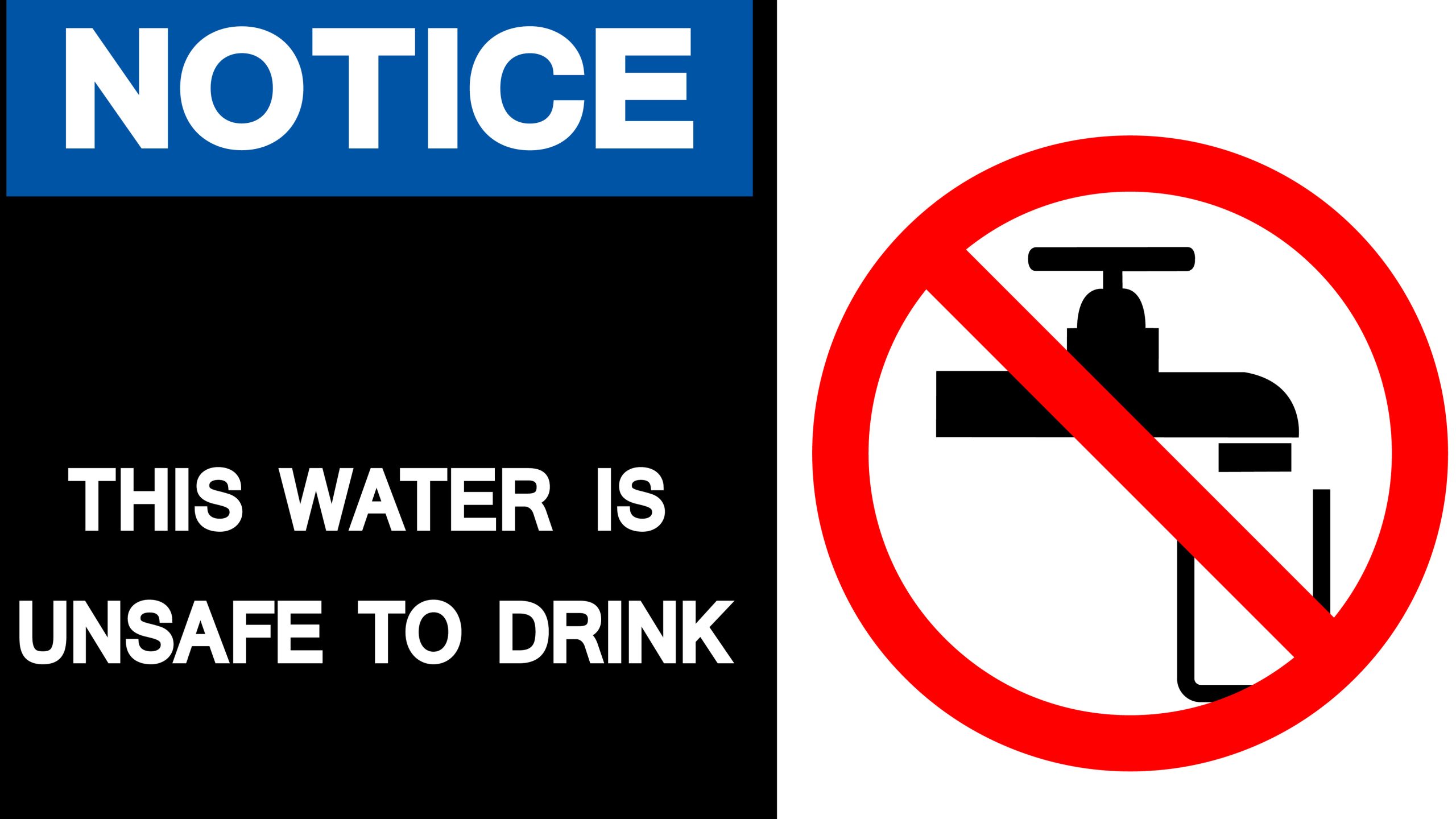
After a flooding emergency, finding clean running water can be difficult. Flood waters may contain potentially dangerous materials, such as fecal material from overflowing sewage systems, agricultural runoff, and chemicals from industrial areas. Wading in flood waters can also be a cause of infection or result in a variety of injuries.
Infectious Diseases
- Diarrheal Diseases
- There is a risk of spreading disease by eating or drinking anything contaminated by flood water. Practice good hygiene (handwashing) after contact with flood waters. Do not allow children to play in flood water areas, wash children's hands frequently (always before meals), and do not allow children to play with flood-water contaminated toys that have not been disinfected. For information on disinfecting certain non-porous toys visit CDC Healthy Water's Cleaning and Sanitizing with Bleach section.
- Wound Infections
- Contact of intact skin with flood water does not, by itself, usually pose a serious health risk. However, wading in contaminated flood waters with open wounds can result in serious wound infections. If possible, do not wade in flood waters if you have an open wound. If you have any open wounds keep them as clean as possible by washing well with soap and clean water to control infection. If you cannot avoid exposing open wounds to flood water try and cover with a waterproof bandage before entering the water. If a wound develops redness, swelling, or drainage, seek immediate medical attention. For more information, visit CDC Healthy Water's Wound Care.
Chemical Hazards
- After a flood, use extreme caution when returning to your area. Be aware of potential chemical hazards during flood recovery. Flood waters may have buried or moved hazardous chemical containers of solvents or other industrial chemicals from their normal storage places.
Injuries
- Drowning
- If you enter fast-moving water, you risk drowning -- regardless of your ability to swim. Fast-moving, shallow water can be deadly. Even shallow standing water can be dangerous for small children. Cars or other vehicles do not provide adequate protection from flood waters. Cars can be swept away or may break down in moving water.
- Animal and Insect Bites
- Wading in flood waters can bring you into contact with a variety of animals, insects, and reptiles (especially snakes). Be alert and avoid contact. Use a stick to poke through debris.
- Protect Yourself From Animal- And Insect-Related Hazards After A Disaster (CDC)
- Wildlife In Disasters (Federal Emergency Management Agency - FEMA)
- Electrical Hazards
- Avoid any downed power lines, particularly those in water.
- Wounds
- Avoid wading in standing water, which may contain sharp objects such as glass or metal fragments that can cause injury and possibly lead to infection.
- Wound Care (CDC)
Cleanup of Flood Water
When returning to your home after a flooding emergency, be aware that flood water may contain sewage. For more information on how to protect yourself and your family, visit CDC’s After a Hurricane or Flood: Cleanup of Flood Water.
Resources and Guidance
- After a Flood (CDC, FEMA)
- Prevent Illness And Injuries After Floods and Hurricanes (CDC)
- Please note: Some of these publications are available for download only as *.pdf files. These files require Adobe Acrobat Reader in order to be viewed. Please review the information on downloading and using Acrobat Reader software.
Contact Us:
- Centers for Disease Control and Prevention
1600 Clifton Rd
Atlanta, GA 30333 - 800-CDC-INFO
(800-232-4636)
TTY: (888) 232-6348
24 Hours/Every Day - healthywater@cdc.gov