




HAIs are infections that patients get while or soon after receiving health care.

CDC publishes data reports to help track progress and target areas that need assistance.
CDC resources and information on infection control in outpatient healthcare settings.
Resources for public health and healthcare professionals to prevent and control HAI.
This toolkit helps health departments or healthcare facilities conduct a patient notification.
Laboratory resources to detect HAIs and antimicrobial resistance.
New report

This report is intended to help investigators, funders, state and local health departments, and pati...
Related organisms & infections
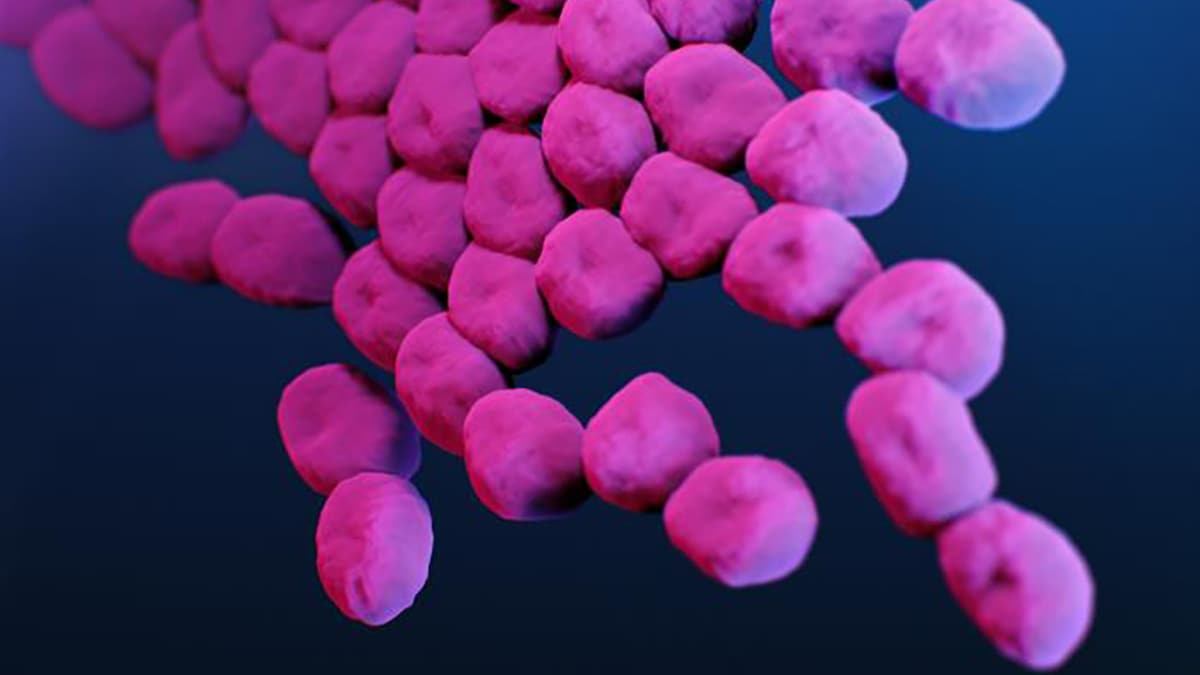
Basics on Acinetobacter
- About Burkholderia cepacia
- Carbapenem-resistant Enterobacterales (CRE) are germs resistant to one or several antibiotics called...
- Basic information on catheter-associated urinary tract infections (CAUTIs).
- About Central Line-associated Bloodstream Infections (CLABSI)
- About Clostridium Sordellii
- About ESBL-producing Enterobacterales
- Gram-negative bacteria can cause serious infections in healthcare settings.
- Klebsiella is a type of bacteria that can cause different types of healthcare-associated infection...
- Staphylococcus aureus (staph) is a bacterium that can sometimes cause infections.
- Protect yourself and your family from potentially serious MRSA infections.
- Anyone can get an NTM infection, but some groups are at increased risk.
- Pseudomonas aeruginosa is a type of germ that can cause infections, mostly in healthcare settings.
- A surgical site infection occurs in the part of the body where a surgery took place.
- About Ventilator-associated Pneumonia (VAP)