Skip directly to search Skip directly to A to Z list Skip directly to navigation Skip directly to site content Skip directly to page options
CDC Home

Promoting Evidence-Based Strategies for New and Underutilized Vaccines
What CDC Is Doing

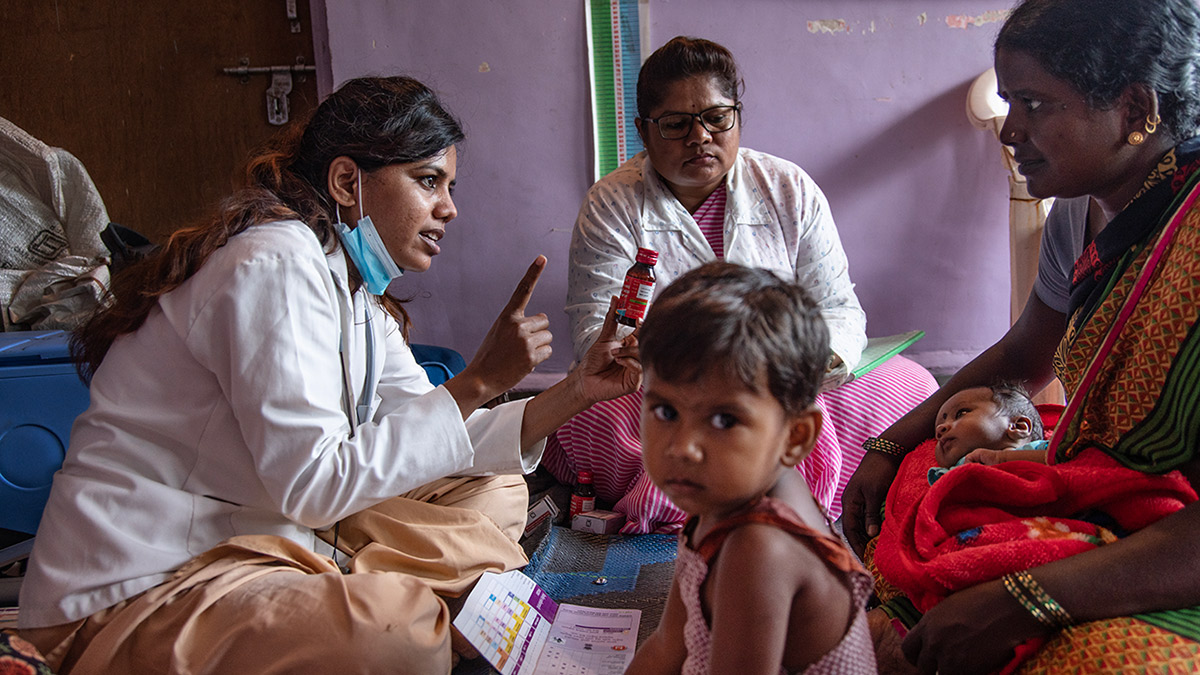
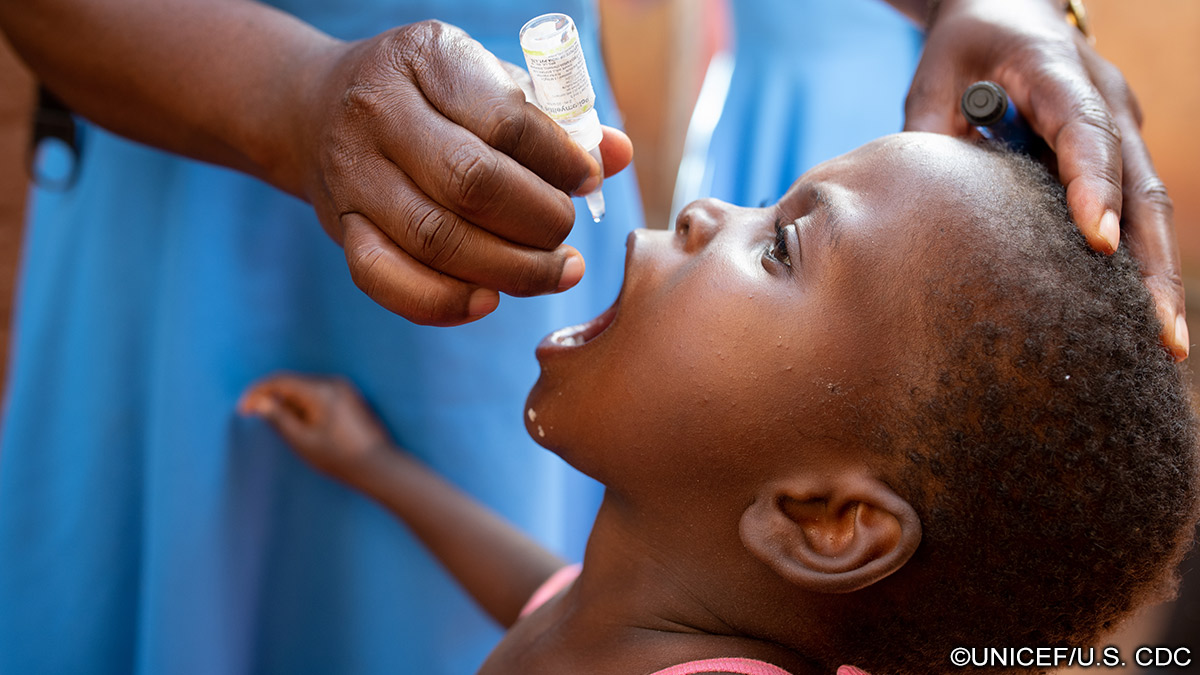
CDC provides scientific and technical support to partners, including WHO, the GAVI Alliance, and ministries of health, to support and guide the global introduction and use of new and underutilized vaccines. However, the widespread introduction of new and underutilized vaccines in all countries depends on overcoming these key challenges:

  • Having an adequate vaccine supply.
  • Improving immunization system capacity.
  • Sustaining partnerships for synergy in reaching targets.
  • Having adequate financial support.

The Next Generation of Vaccines

Since the development of the first vaccine against smallpox by Edward Jenner more than 200 years ago, vaccines have resulted in significant reductions in disease and death wherever they are used. Traditionally, the development of vaccines has used two techniques: attenuation and inactivation. Today, new developments in vaccinology include genetic engineering, purification of microbial elements, creation of attenuated disease mutants, and manipulation of proteins including DNA, RNA, and polysaccharides. These new techniques are being used to create vaccines for both noninfectious and infectious diseases.

Researchers are currently working to create vaccines against human immunodeficiency virus (HIV), tuberculosis (TB), and malaria. When available, this next generation of vaccines has the potential to significantly reduce the 5.5 million worldwide deaths that are caused by these diseases (WHO 2000).

Evaluation and Research

GID and other CDC infectious disease programs actively support the evaluation and introduction of available and underutilized vaccines that have the potential to greatly reduce global illness and death caused by VPDs. CDC also actively supports research that will lead to the creation of new vaccines. Protection from leading killers such as HIV, malaria, and tuberculosis is still desperately needed in developing countries.

 
  • Page last reviewed December 13, 2011
  • Page last updated December 13, 2011
  • Content source: Global Health
  • Notice: Linking to a non-federal site does not constitute an endorsement by HHS, CDC or any of its employees of the sponsors or the information and products presented on the site.
USA.gov: The U.S. Government's Official Web PortalDepartment of Health and Human Services
Centers for Disease Control and Prevention   1600 Clifton Rd. Atlanta, GA 30333, USA
800-CDC-INFO (800-232-4636) TTY: (888) 232-6348 - Contact CDC–INFO
A-Z Index
  1. A
  2. B
  3. C
  4. D
  5. E
  6. F
  7. G
  8. H
  9. I
  10. J
  11. K
  12. L
  13. M
  14. N
  15. O
  16. P
  17. Q
  18. R
  19. S
  20. T
  21. U
  22. V
  23. W
  24. X
  25. Y
  26. Z
  27. #