



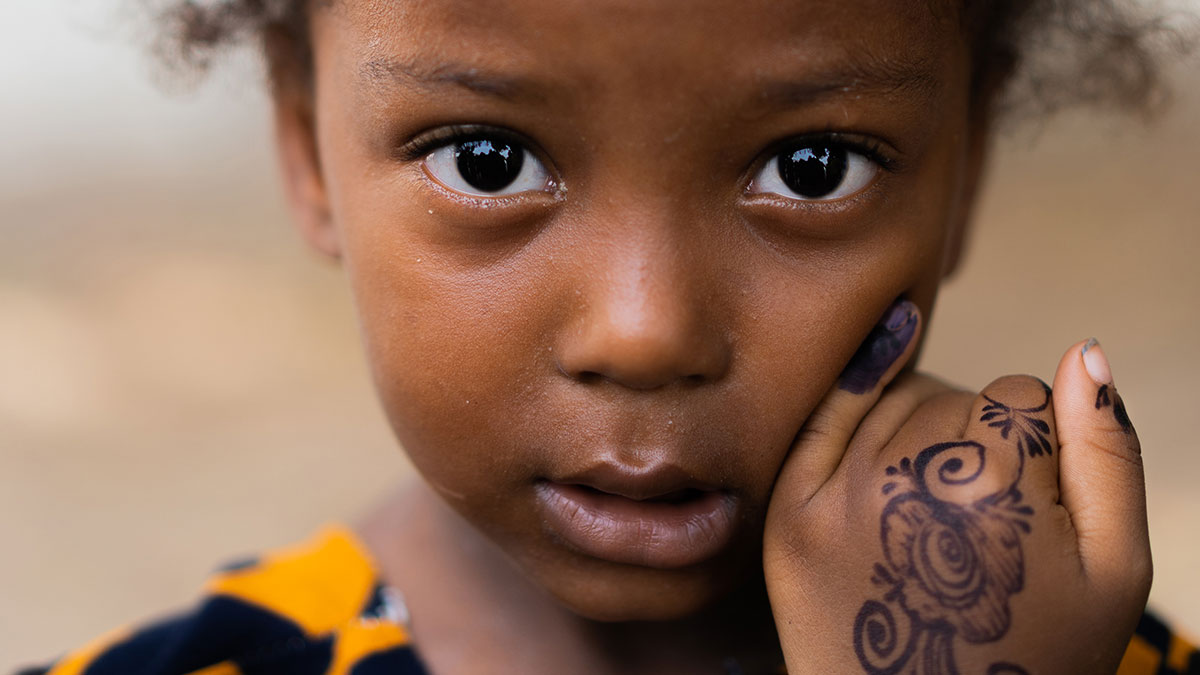
CDC works in the places with the highest risk of vaccine-preventable diseases.
CDC and Global Immunization
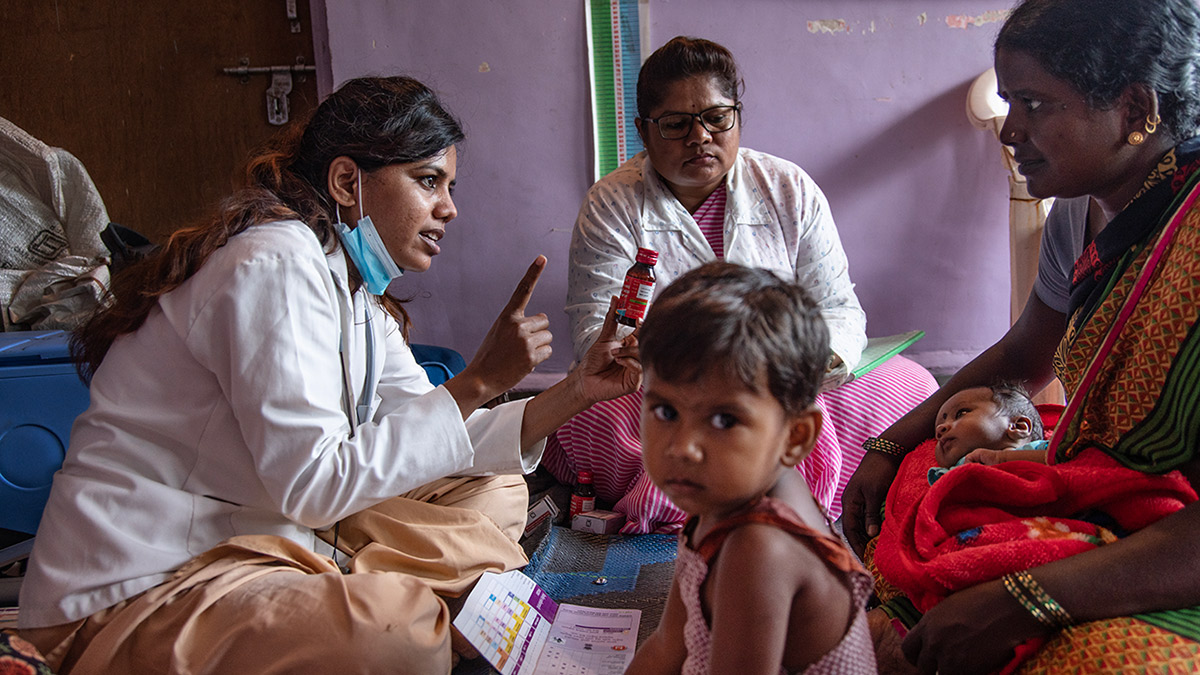
A best buy for global health, immunization makes the world healthier and safer.

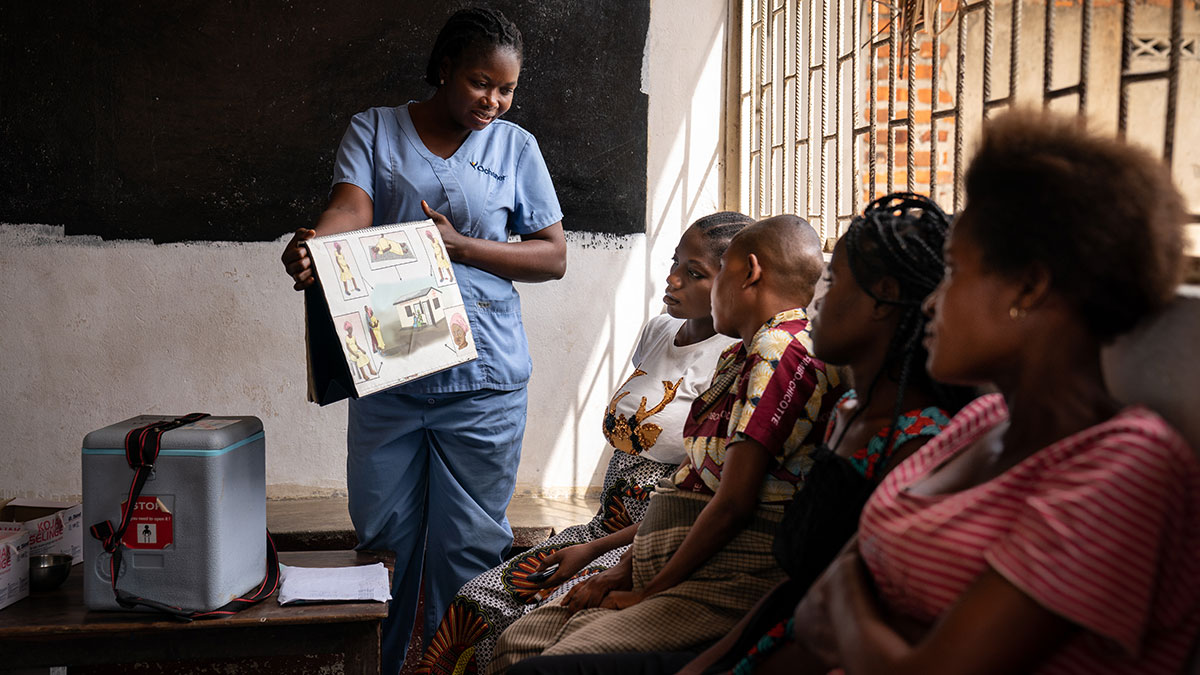
The STOP Program recruits and trains international public health consultants.
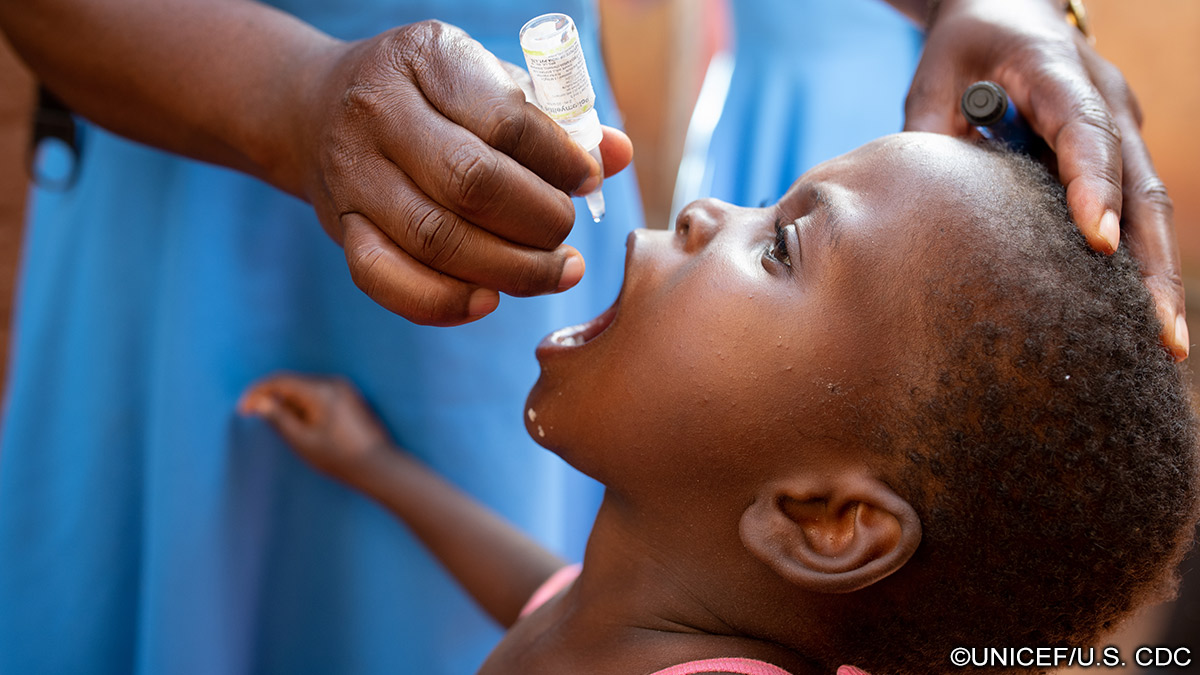
Learn about CDC's work to strengthen global immunization.
Featured
In 2023, over 14.5 million children under the age of 1 did not receive basic vaccines.
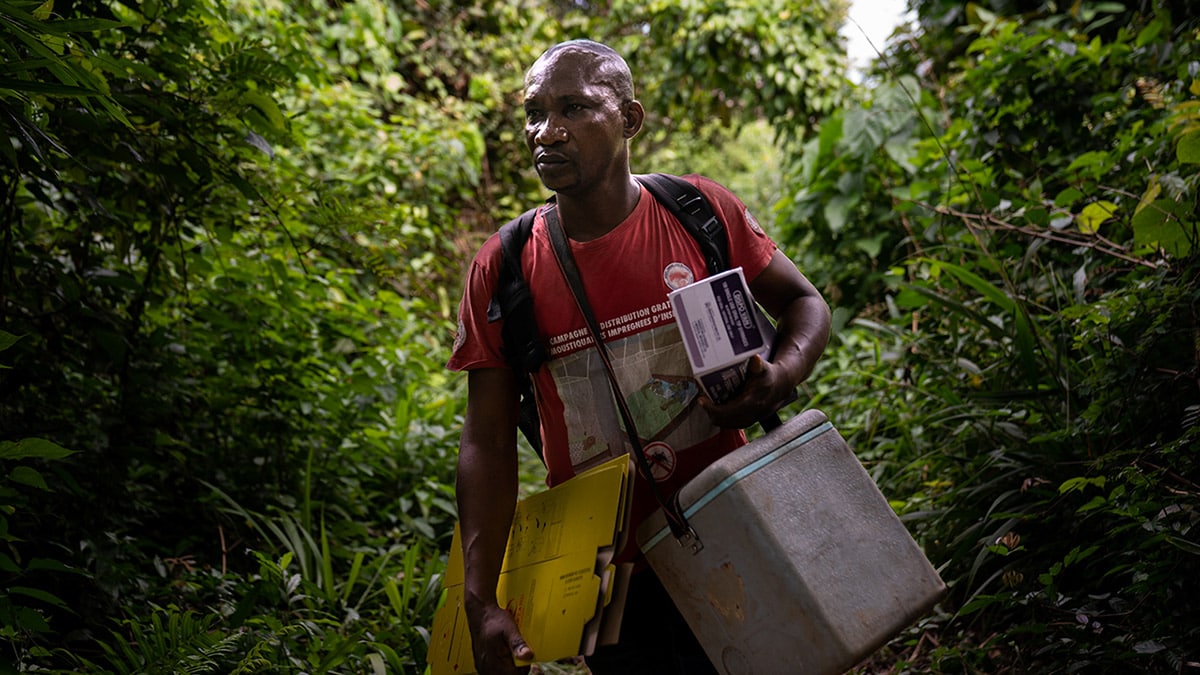
CDC and partners work on vaccination and vaccine-preventable disease worldwide.
Measles is a vaccine-preventable disease that can lead to serious health issues and even death.
CDC works with partners to eradicate polio worldwide through sound science and effective programming
CDC works with countries and global partners to prevent and control cholera with vaccines.
CDC provides support to help decrease the burden of hepatitis B around the world.
CDC’s support of global efforts to eradicate, eliminate or control vaccine-preventable diseases.