Risk Factors
Research has found several risk factors that may increase your chances of getting breast cancer.
Reproductive Risk Factors
- Being younger when you first had your menstrual period.
- Starting menopause at a later age.
- Being older at the birth of your first child.
- Never giving birth.
- Not breastfeeding.
- Long-term use of hormone-replacement therapy.
Other Risk Factors
- Getting older.
- Personal history of breast cancer or some non-cancerous breast diseases.
- Family history of breast cancer (mother, father, sister, brother, daughter, or son).
- Treatment with radiation therapy to the breast/chest.
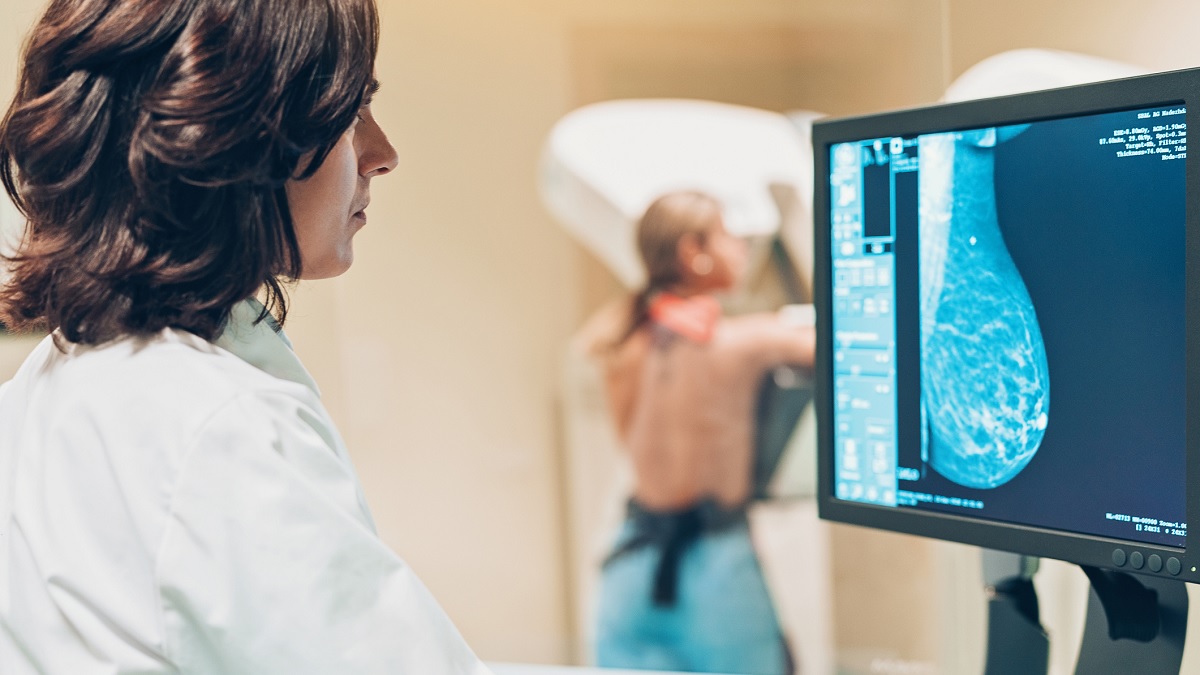
- Breast density by mammogram.
- Being overweight (increases risk for breast cancer after menopause).
- Having changes in the breast cancer-related genes BRCA1 or BRCA2.
- Drinking alcohol (more than one drink a day).
- Not getting regular exercise.
Having a risk factor does not mean you will get the disease. Most women have some risk factors and most women do not get breast cancer. If you have breast cancer risk factors, talk with your doctor about ways you can lower your risklower your risk and about screeningscreening for breast cancer.
NIH Senior Health Video
Contact Us:
- Centers for Disease Control and Prevention
Division of Cancer Prevention and Control
4770 Buford Hwy NE
MS F-76
Atlanta, GA 30341 - 800-CDC-INFO
(800-232-4636)
TTY: (888) 232-6348 - Contact CDC-INFO
Genetic Risk Factors [4 min]