Skip directly to search Skip directly to A to Z list Skip directly to navigation Skip directly to site content Skip directly to page options
CDC Home

Suicide: Consequences

Cost to Society

  • The total lifetime cost of self-inflicted injuries occurring in 2000 was approximately $33 billion. This includes $1 billion for medical treatment and $32 billion for lost productivity (Corso et al. 2007).

Consequences

  • Suicide is the 11th leading cause of death among Americans (CDC, 2010).
  • Over 33,000 people kill themselves each year, compared with roughly 18,000 homicides (CDC, 2010).
  • On average, over the past five years, about 392,000 people with self-inflicted injuries sought treatment in emergency departments (CDC, 2010).
  • The number of self-inflicted injuries that do not come to the attention of medical professionals is unknown, but it is estimated that for every one suicide there are 25 attempts (Goldsmith, et al. 2002).
  • Surviving family members and close friends are impacted by each suicide, and experience a range of complex grief reactions including, guilt, anger, or abandonment (Jordon, 2001).
  • According to one estimate, approximately 7% of the US population knew someone who died of suicide during the past 12 months.  (Crosby and Sacks, 2002).

References

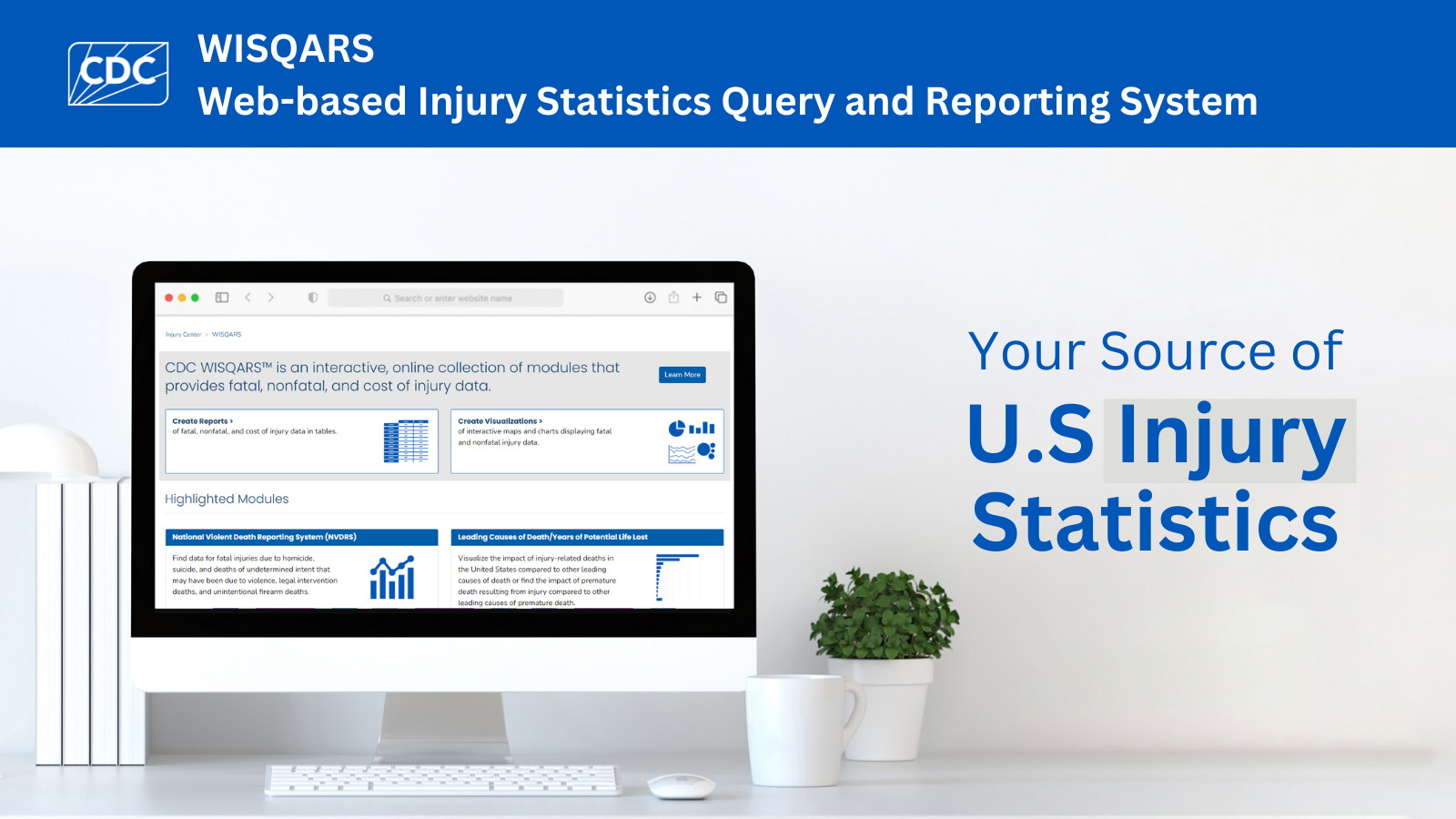
Centers for Disease Control and Prevention. Web-based Injury Statistics Query and Reporting System (WISQARS). Atlanta, GA: National Center for Injury Prevention and Control. Available at http://webappa.cdc.gov/sasweb/ncipc/mortrate10_sy.html: www.cdc.gov/injury/wisqars. Last modified 2010 May 27.

Corso PS, Mercy JA, Simon TR, Finkelstein EA, & Miller TR. Medical costs and productivity losses due to interpersonal violence and self- directed violence. American Journal of Preventive Medicine 2007: 32(6); 474–482.

Crosby AE, Sacks JJ. Exposure to suicide: Incidence and association with suicidal ideation and behavior – United States, 1994. Suicide and Life-Threatening Behavior 2002:32;321–328.

Goldsmith SK, Pellmar TC, Kleinman AM, Bunney WE, editors. Reducing suicide: A national imperative. Washington (DC): National Academy Press; 2002.

Jordan J. Is Suicide bereavement different? A reassessment of the literature. Suicide and Life-Threatening Behavior 2001:31(1); 91–102.


Contact Us:
  • Centers for Disease Control and Prevention
    National Center for Injury Prevention and Control (NCIPC)
    4770 Buford Hwy, NE
    MS F-63
    Atlanta, GA 30341-3717
  • 800-CDC-INFO
    (800-232-4636)
    TTY: (888) 232-6348
    New Hours of Operation:
    8am-8pm ET/
    Monday-Friday
    Closed Holidays
  • cdcinfo@cdc.gov
CDC 24/7 – Saving Lives. Protecting People. Saving Money Through Prevention. Learn More About How CDC Works For You…
USA.gov: The U.S. Government's Official Web PortalDepartment of Health and Human Services
Centers for Disease Control and Prevention   1600 Clifton Rd. Atlanta, GA 30333, USA
800-CDC-INFO (800-232-4636) TTY: (888) 232-6348 - cdcinfo@cdc.gov
A-Z Index
  1. A
  2. B
  3. C
  4. D
  5. E
  6. F
  7. G
  8. H
  9. I
  10. J
  11. K
  12. L
  13. M
  14. N
  15. O
  16. P
  17. Q
  18. R
  19. S
  20. T
  21. U
  22. V
  23. W
  24. X
  25. Y
  26. Z
  27. #