



Key points
- Ehrlichiosis is the general name used to describe a group of diseases.
- Tick bites from the lone star tick and the blacklegged tick species spread the disease.
- In the United States, three species of bacteria lead to the disease.
- Doxycycline is the treatment of choice for people of all ages with ehrlichiosis.

Overview
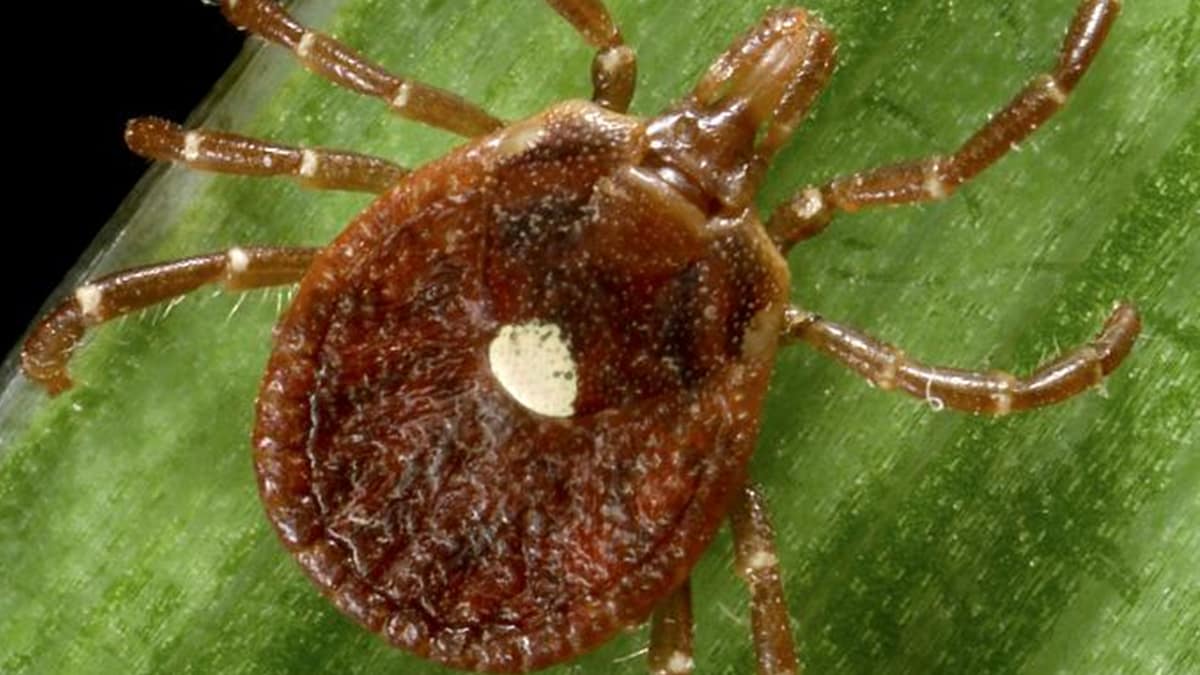
Ehrlichiosis is the general name used to describe diseases caused by the bacteria Ehrlichia chaffeensis, E. ewingii, or E. muris eauclairensis in the United States. These bacteria are spread to people primarily through the bite of infected ticks including the lone star tick (Amblyomma americanum) and the blacklegged tick (Ixodes scapularis).
People with ehrlichiosis will often have fever, chills, headache, muscle aches, and sometimes upset stomach.
Doxycycline is the treatment of choice for adults and children of all ages with ehrlichiosis.
Prevention
There is no vaccine to prevent ehrlichiosis. Prevent illness by preventing tick bites, preventing ticks on your pets, and preventing ticks in your yard.
Keep Reading:
Preventing Tick Bites