CDC en Español

Search:

Global Migration and Quarantine

DGMQ Home > Immigrant, Refugee and Migrant Health > Lost Boys and Girls of Sudan

Schistosomiasis
A Fact Sheet for the Lost Boys and Girls of Sudan

Download PDF version formatted for print (91 KB/2 pages)

What is schistosomiasis?

Schistosomiasis, also known as bilharzia (bill-HAR-zi-a), is a disease caused by parasitic worms called schistosomes. Although schistosomiasis is not found in the United States, 200 million people are infected worldwide, 85% of whom live in Africa. It is common in many parts of Sudan, Kenya, and Ethiopia.

How can I get schistosomiasis?

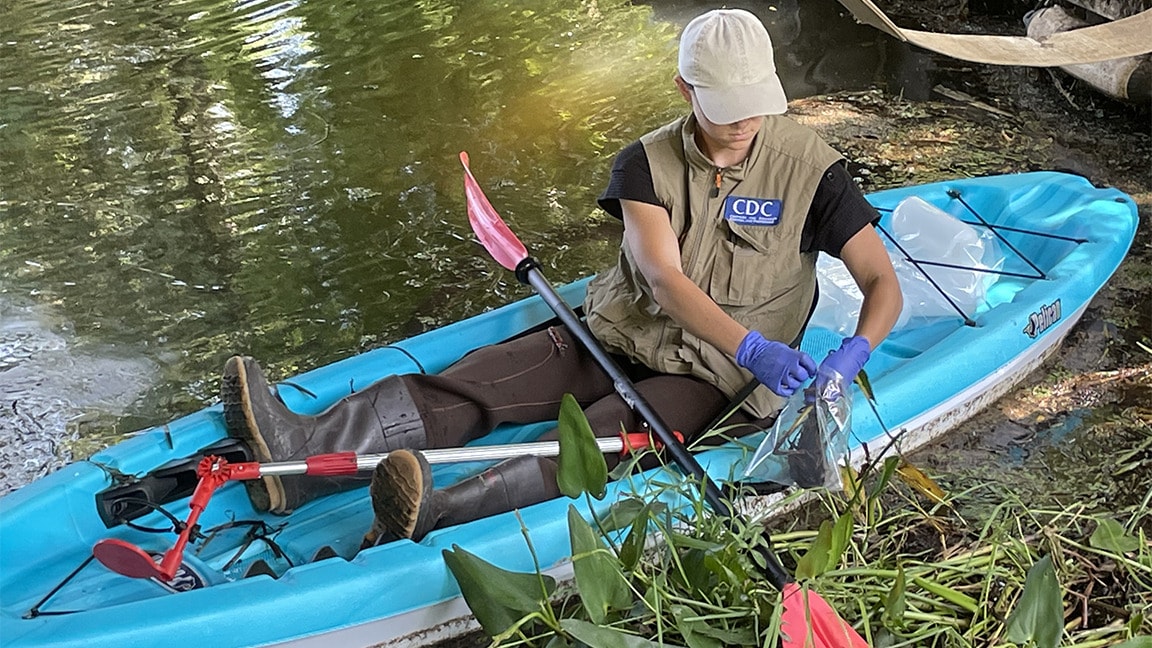
Infection occurs when your skin comes in contact with contaminated fresh water in which certain types of snails that carry schistosomes are living. Fresh water becomes contaminated by Schistosoma eggs when infected people urinate or defecate in the water. The eggs hatch, and if these snails are present in the water, the parasites grow and develop inside the snails. The parasite leaves the snail and enters the water where it can survive for about 48 hours. Schistosoma parasites can penetrate the skin of persons who are wading, swimming, bathing, or washing in contaminated water. Within several weeks, worms grow inside the blood vessels of the body and produce eggs. Some of these eggs travel to the bladder or intestines and are passed into the urine or stool.

What are the symptoms of schistosomiasis?

Most people have little or no symptoms for many years, and do not realize they are infected. However, as eggs travel to the liver or pass into the intestine or bladder, some people develop abdominal pain, bloody stools, or bloody urine. Rarely, eggs are found in the brain or spinal cord and can cause seizures or paralysis. For people who are repeatedly infected for many years, the parasite can damage the liver, intestines, lungs, and bladder, which can lead to jaundice (yellow eyes or skin), abdominal swelling, and vomiting blood.

How is schistosomiasis diagnosed?

A test has been performed on your blood; when this test is positive, it means you have been infected with schistosomiasis at some point in your past. Because the parasite can live for many years, if you have not been treated for schistosomiasis in the past, this means you are very likely to still be infected. Other tests (stool or urine samples) can sometimes diagnose this infection as well.

What is the treatment for schistosomiasis?

A safe and effective drug (praziquantel, also known as Biltricide®) is available for the treatment of schistosomiasis. The treatment consists of taking two doses this drug, which results in a cure in most people who take it. In persons not cured, the number of parasites remaining in the body are reduced to a level that they are unlikely to cause symptoms or harm. The medication is very safe. There are occasionally some short-lasting side effects, such as abdominal pain, nausea, headache, dizziness, drowsiness and rarely hives (itchy rash on the skin). Very rarely, if a person is infected with a different parasite (called cysticercosis), this drug can cause seizures. If you test positive, when you next see your doctor, let him or her know you have tested positive for schistosomiasis, and if you take the praziquantel, let him or her know that you have been treated with praziquantel, so he or she can perform follow-up testing or therapy as needed. Your doctor can contact us at CDC (770) 488-7775, if he or she has any questions regarding management of schistosomiasis.

Am I at risk?

If you lived in or traveled to areas where schistosomiasis occurs (including Sudan, Kenya, and Ethiopia) and your skin was in contact with fresh water from canals, rivers, streams, ponds, or lakes, you are at risk of having schistosomiasis.

Page Last Modified: January 24, 2005
  • Email this page

Quick Links

Contact Information

  • Centers for Disease Control and Prevention 1600 Clifton Rd Atlanta, GA 30333
  • 800-CDC-INFO (800-232-4636)
  • TTY: (888) 232-6348 24 Hours/Every Day
  • cdcinfo@cdc.gov
Safer Healthier People

Centers for Disease Control and Prevention, 1600 Clifton Rd, Atlanta, GA 30333, U.S.A
800-CDC-INFO (800-232-4636) TTY: (888) 232-6348, 24 Hours/Every Day - cdcinfo@cdc.gov (TTY)