




President Carter's lasting legacy to control and eradicate NTDs, including Guinea worm disease.
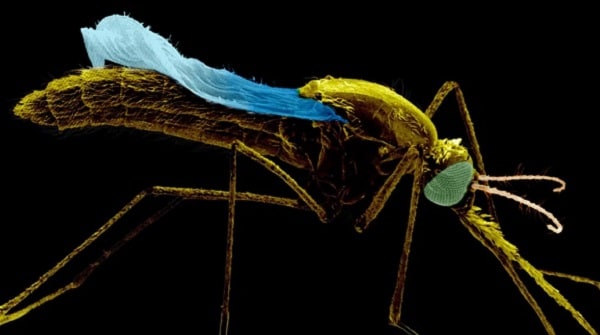
World Malaria Day 2024: Leading with Malaria Control Innovation in Mind
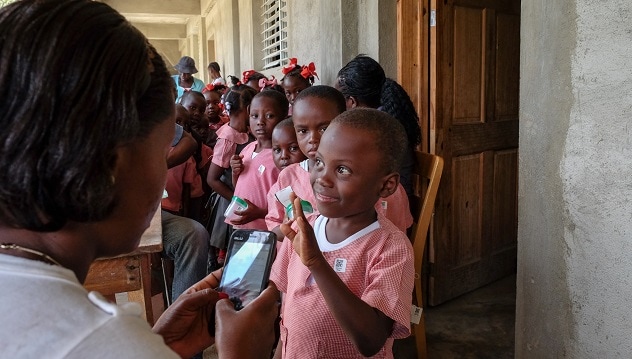
The theme for 2024's World Neglected Tropical Disease Day is "Unite. Act. Eliminate."
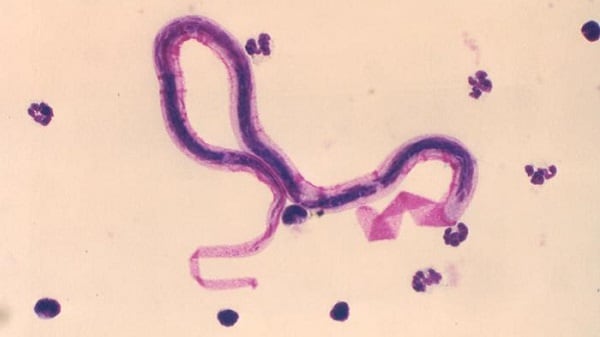
Parasitic Diseases A–Z Index: More information about specific parasites
Parasitic Topics
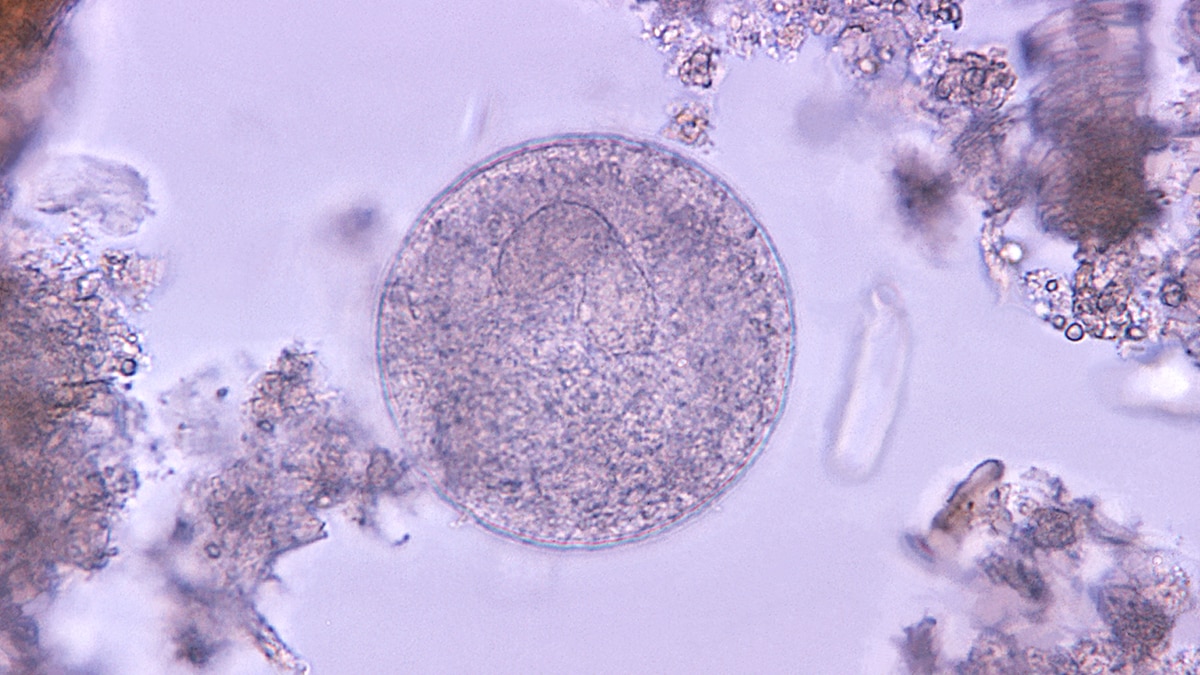
A parasite is an organism (a living thing) that lives on or inside another organism.
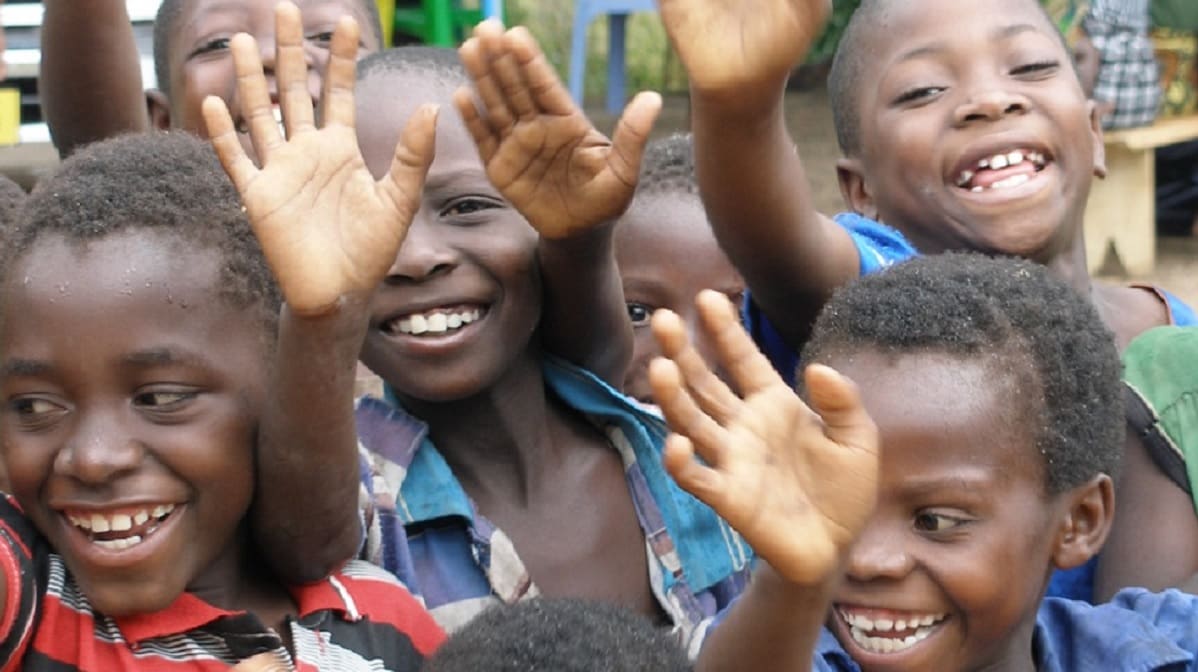
Information for health professionals, women, children, travelers, and more

Many kinds of lab tests are available to diagnose parasitic diseases.
More on Parasitic Disease and Malaria
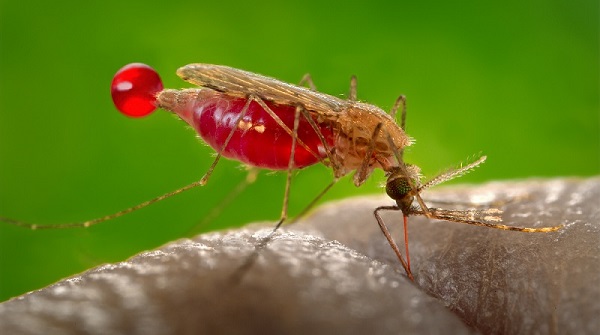
Malaria is a serious disease caused by a parasite that infects a certain type of mosquito.
- Animals, blood, food, insects, and water can transmit parasites.
- Public Health Education and Training
- List of parasitic terms and definitions.
- Collection of Public Health References and Resources
- Education and information about healthy water, including drinking water, swimming / recreational wat...
- DPDx, Division of Parasitic Diseases and Malaria (DPDM), DPDx applications, diagnosis of parasitic d...
- Communication resources about select parasitic diseases.
- Spotlight on select DPDM activities.
- Neglected tropical diseases (NTDs) include several parasitic viral, bacterial, and fungal diseases.
- Medical specialties that can assist with treating parasitic diseases or infections.
- International travelers can be at risk for a variety of infectious and non-infectious diseases.
- Contact Information