Tracking and Research
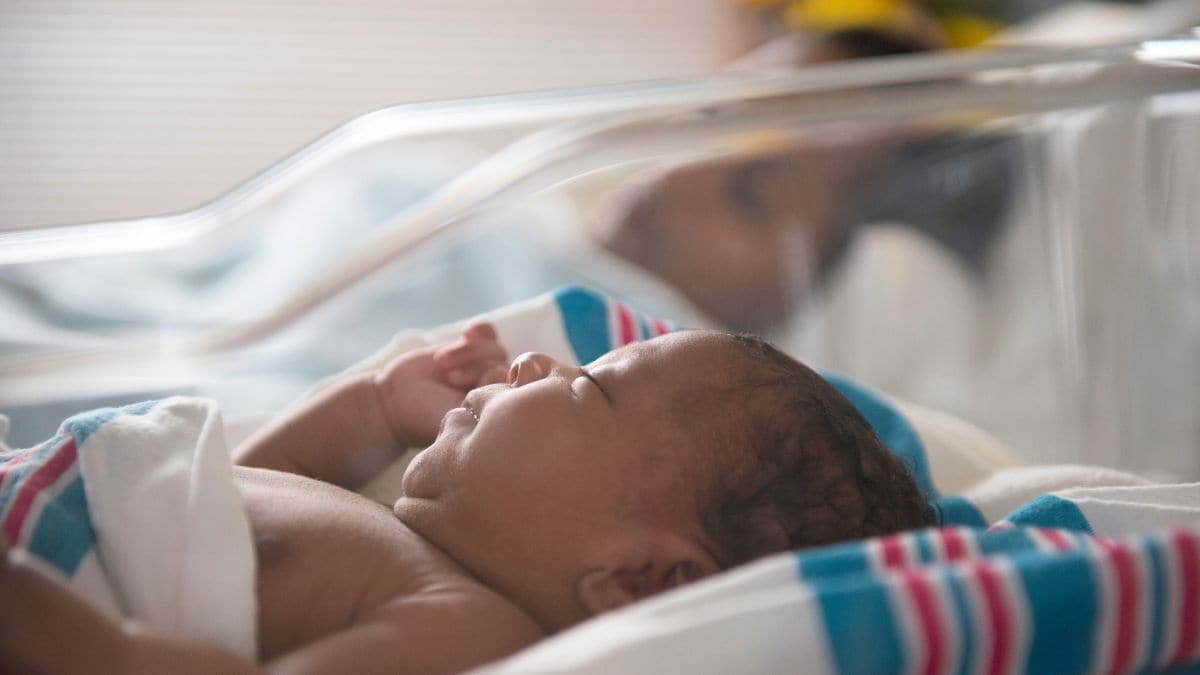
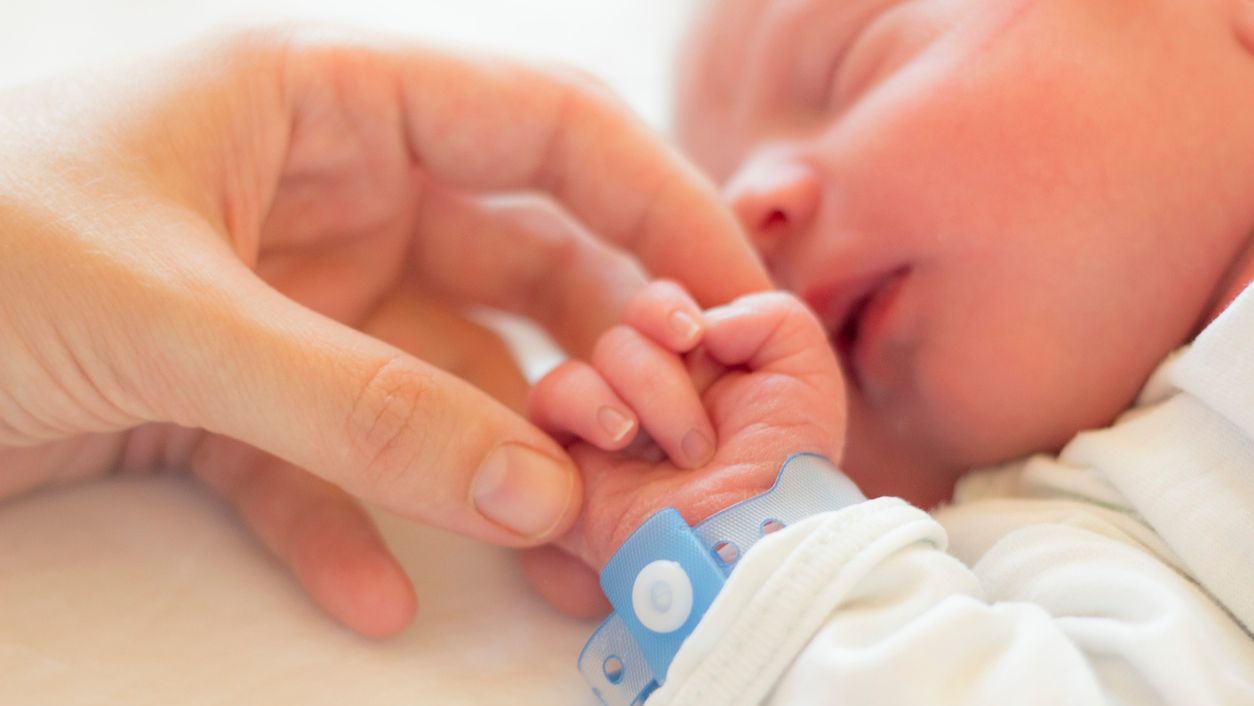
Accurately tracking congenital heart defects is the first step in preventing them and reducing their effect. Information from tracking systems provides a basis for research. In addition, research helps the Centers for Disease Control and Prevention (CDC) answer critical questions about the causes of and opportunities for preventing congenital heart defects.
Following is a summary of our congenital heart defects tracking and research work.
Tracking Congenital Heart Defects
Birth defects tracking systems are vital for finding birth defects, including congenital heart defects. CDC uses different systems to look for changes and then tells the public about the trends we discover. One type of system―population-based tracking systems―help researchers look at all of the people with a certain condition or disease who live in a specific area. This is done so that researchers can better understand what is happening among this population.
Many states include congenital heart defects in their birth defects tracking efforts among infants. However, at this time, no population-based tracking program exists to collect data on children, adolescents, and adults with congenital hearts defects. Tracking where and when heart defects occur and who they affect gives us important clues about preventing them and allows us to evaluate our efforts. By studying the data collected, we can identify factors that increase or decrease the risk of congenital heart defects and identify community or environmental concerns that need more study.
Following are activities that CDC conducts or funds in order to learn more about people with congenital heart defects:
The Metropolitan Atlanta Congenital Defects Program
The Metropolitan Atlanta Congenital Defects Program (MACDP) is a population-based tracking system for birth defects, including congenital heart defects, among children born to residents of metropolitan Atlanta. Established in 1967, MACDP is the nation's first population-based system to actively track birth defects.
State Birth Defects Tracking Systems
CDC funds 14 states to track major birth defects, including congenital heart defects, using population-based methods. State systems use the data to help direct birth defects prevention activities and refer children affected by birth defects to needed services.
Read about the work taking place in each state »
National Birth Defects Prevention Network
CDC supports and works with the National Birth Defects Prevention Network (NBDPN). The NBDPN is a group of over 225 individuals working at the national, state, and local levels, who are involved in tracking, researching, and preventing birth defects. The network assesses the effect of birth defects on children, families, and the health care system. It also identifies risk factors for birth defects. This information can be (and has been) used to develop strategies to prevent birth defects and to assist families and their providers in preventing other disabilities among children with birth defects.
Researching Causes of and Risk Factors for Congenital Heart Defects
The causes of congenital heart defects among most babies are unknown. Some babies have heart defects because of changes in their genes or chromosomes. Congenital heart defects also are thought to be caused by a combination of genes and other risk factors, such as things the mother comes into contact with in the environment or what the mother eats or drinks or certain medicines the mother uses.
Just like the many families affected by congenital heart defects, we at CDC want to find out what causes them. Understanding the risk factors that can increase the chance of having a baby with a congenital heart defect will help us learn more about the causes. Research is ongoing to identify potential factors associated with the occurrence of congenital heart defects.
National Birth Defects Prevention Study
Currently, we are working on one of the largest U.S. studies to understand the causes of and risk factors for birth defects. This study is called the National Birth Defects Prevention Study (NBDPS), and it is looking at many possible risk factors for birth defects, including those for congenital heart defects. Population-based studies like this one look at the occurrence of disease across a wide group of people, which is important to make sure that study results are applicable to people living in the United States.
Recently, CDC's study collaborators have reported important findings about some pregnancy exposures that increase the risk for congenital heart defects:
- Obesity―Women who are obese before pregnancy have been shown to have an increased risk of having a pregnancy affected by a congenital heart defect. [Read article]
- Diabetes―Women with diabetes diagnosed before pregnancy have been shown to be more at risk of having a child with a number of birth defects, including congenital heart defects. [Read summary]
- Smoking―Women who smoked anytime during the month before pregnancy through the end of the first trimester have been shown to be more likely to have a pregnancy affected by a congenital heart defect. [Read summary]
Reducing obesity, providing better control of diabetes, and preventing tobacco exposure are all actions we can take today that hold promise for preventing congenital heart defects. These actions also might improve the health of those affected with congenital heart defects throughout their lives.
Learn more about the National Birth Defects Prevention Study (NBDPS) »
Future Opportunities to Understand and Prevent Congenital Heart Defects
As medical care and treatment have advanced, infants with congenital heart defects are living longer and healthier lives. Many are now living into adulthood. Although this is remarkable progress, it presents new challenges to families and the health care system to meet the special health needs of these individuals. And yet, currently no population-based tracking system exists to look at this growing population of children, adolescents, and adults with congenital heart defects.
Following are some of the future opportunities for tracking and research of congenital heart defects.
- Improving tracking systems to include a more diverse population of births would help us better understand if congenital heart defects are increasing, decreasing, or staying the same and help identify potential causes.
- Developing plans to conduct population-based tracking of adults with congenital heart defects could help us learn more about this growing population of affected individuals.
- Exploring approaches to decrease the number of women with uncontrolled diabetes during pregnancy could help prevent congenital heart defects, as well as other major birth defects.
- Evaluating long-term outcomes, health care costs, and quality of life will help identify opportunities that will support the health and wellness of children, adolescents, and adults affected by congenital heart defects.
Contact Us:
- Centers for Disease Control and Prevention
National Center on Birth Defects and Developmental Disabilities
Division of Birth Defects and Developmental Disabilities
1600 Clifton Road
MS E-87
Atlanta, GA 30333 - 800-CDC-INFO
(800-232-4636)
TTY: (888) 232-6348
New Hours of Operation
8am-8pm ET/Monday-Friday
Closed Holidays - cdcinfo@cdc.gov