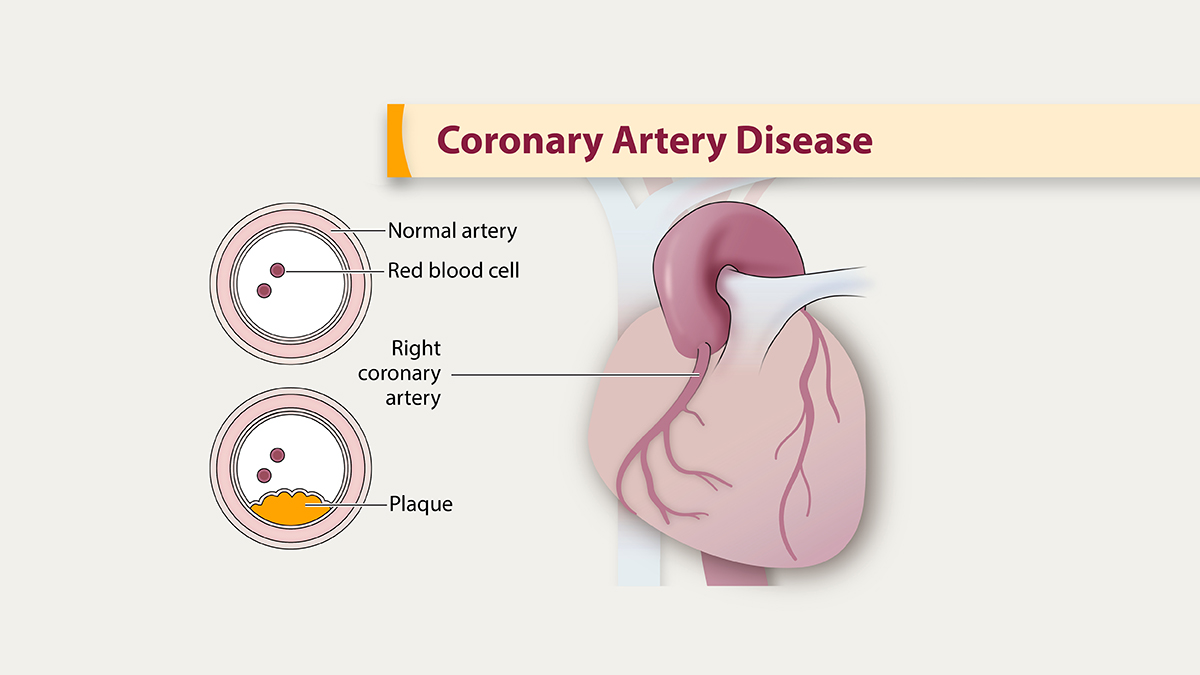
In the United States, the most common type of heart disease is coronary artery disease (CAD), which can lead to heart attack. You can greatly reduce your risk for CAD through lifestyle changes and, in some cases, medication.
Coronary artery disease can cause a heart attack. If you have a heart attack, you are more likely to survive if you know the signs and symptoms, call 9-1-1 right away, and get to a hospital quickly. People who have had a heart attack can also reduce the risk of future heart attacks or strokes by making lifestyle changes and taking medication.
Featured Items
May is High Blood Pressure Education Month. Have you talked about a goal for your blood pressure with your health care provider? If not, do it at your next visit. One of three American adults has high blood pressure, also called hypertension. Learn how to make control your goal.
On March 13, 2013, U.S. Surgeon General Regina M. Benjamin, MD, MBA, promoted heart health—and mentioned Million Hearts™—on the Tom Joyner Morning Show's "Wellness Wednesday" segment. Dr. Benjamin urged the public to join efforts to help African Americans make heart health a priority by controlling their blood pressure and lowering sodium in their diet.
February may be the shortest month of the year, but it’s enough time to achieve some big improvements in your heart health. Now is the perfect time to get started on a new, heart-healthy game plan. Think about making one small change each week to lower sodium, get active, quit smoking, and control blood pressure to boost your heart health this month.
Preventing Tobacco Use Among Youth and Young Adults: A Report of the Surgeon GeneralThe U.S. Surgeon General released a report on March 8, 2012 focusing on preventing tobacco use among youth and young adults. The last time the Surgeon General’s office released a report on youth and tobacco use was 1994, and this is the first time a report will focus on tobacco use among young adults.
Recommendations of Aspirin for Prevention of Cardiovascular DiseaseAspirin can be beneficial to individuals who already have experienced a heart attack, stroke, angina or peripheral vascular disease, or have had certain procedures such as angioplasty or bypass. It can also be taken to prevent heart disease and stroke in some individuals who have not previously experienced these events.
Tobacco smoke can cause health problems not only for smokers, but also for people around them. Breathing secondhand smoke increases a person's risk for a heart attack and other heart conditions.
Most of the sodium we consume is in the form of salt. Too much sodium is bad for your health. It can increase your blood pressure and your risk for a heart attack or stroke. Heart disease and stroke are the first and third killers of men and women in the United States each year.
Get email updates
To receive email updates about this page, enter your email address:
Contact Us:
- CDC/NCCDPHP/DHDSP
4770 Buford Hwy, NE
Mail Stop F-72
Atlanta, GA 30341-3717 - Call: 1-800-CDC-INFO
TTY: 1-888-232-6348
Fax: 770-488-8151